How can wireless transmission technology deliver soil moisture data to the cloud in seconds?
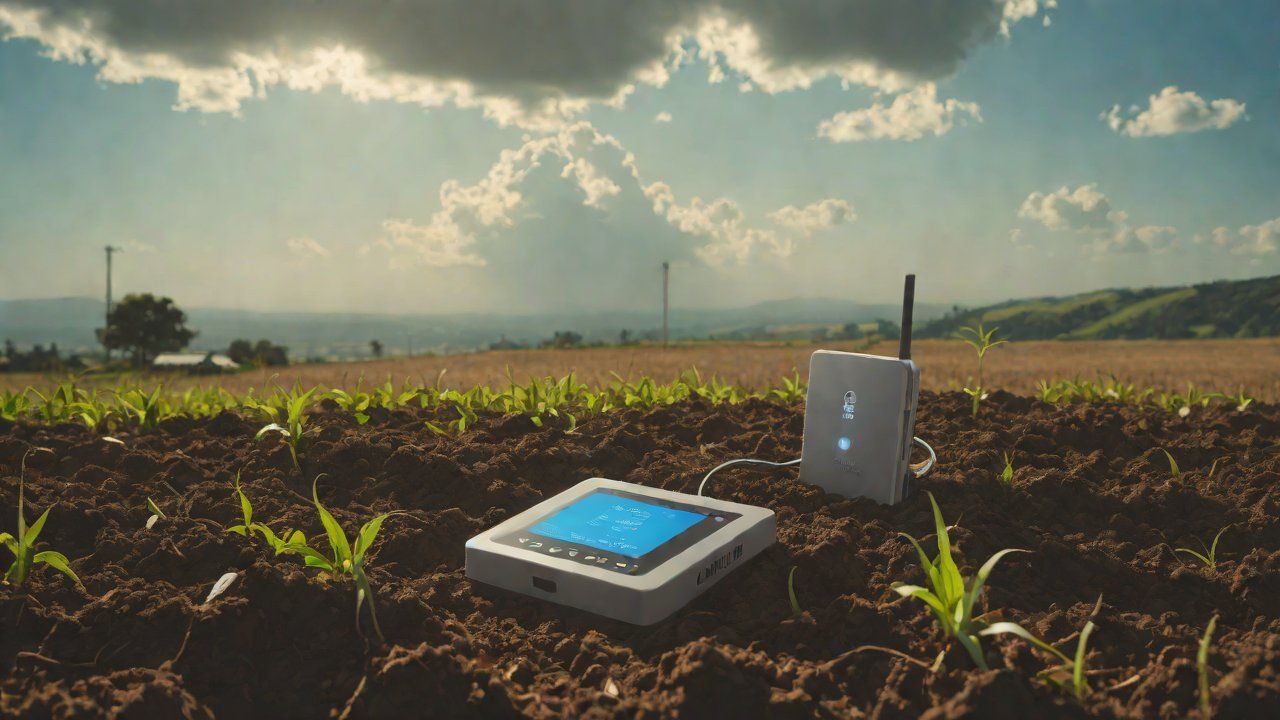
The advent of precision agriculture has revolutionized the way farmers cultivate their land, and one key component of this movement is the ability to collect and analyze real-time data on soil moisture levels. Traditional methods for measuring soil moisture involve sending teams into the field to manually collect samples or deploying expensive and often inaccurate sensors that require manual calibration and maintenance. However, with the advent of wireless transmission technology, it’s now possible to deliver soil moisture data to the cloud in seconds, providing farmers with real-time insights to optimize irrigation schedules, reduce water waste, and boost crop yields.
1. Soil Moisture Measurement Technologies
Soil moisture measurement technologies can be broadly categorized into three types: capacitance-based sensors, frequency-domain sensors, and time-domain transmissivity (TDT) sensors. Capacitance-based sensors measure the dielectric constant of the soil, which is affected by the presence of water molecules. Frequency-domain sensors use a combination of electromagnetic fields to measure the dielectric properties of the soil. TDT sensors, on the other hand, measure the time it takes for a signal to travel through the soil.
| Technology | Description | Accuracy |
|---|---|---|
| Capacitance-based sensors | Measure dielectric constant | ±5% |
| Frequency-domain sensors | Use electromagnetic fields to measure dielectric properties | ±3% |
| TDT sensors | Measure signal travel time through soil | ±2% |
2. Wireless Transmission Technologies
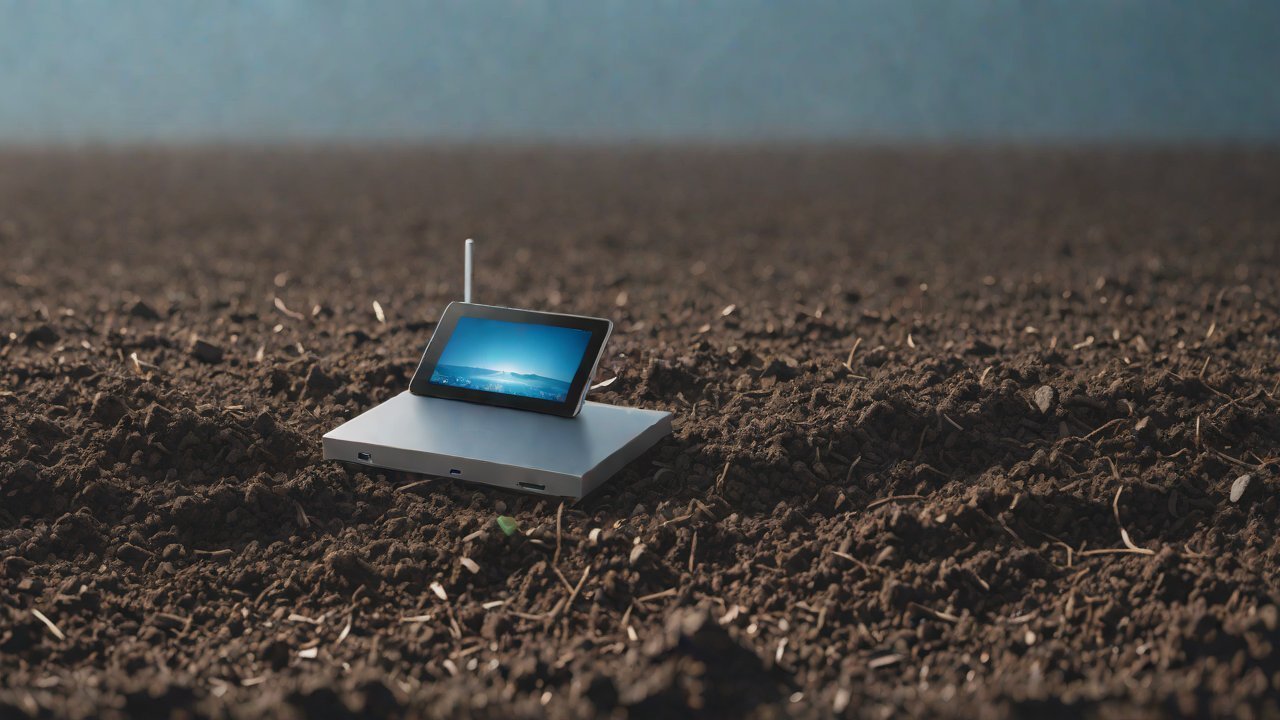
Wireless transmission technologies play a crucial role in delivering soil moisture data from the field to the cloud. There are several types of wireless transmission technologies, including cellular networks (e.g., LTE, 5G), satellite communications, and low-power wide-area networks (LPWANs) such as LoRaWAN and Sigfox.
| Technology | Description | Data Rate |
|---|---|---|
| Cellular networks (LTE/5G) | High-speed cellular connectivity | 1-100 Mbps |
| Satellite communications | Global coverage, high latency | 10-50 kbps |
| LPWANs (LoRaWAN/Sigfox) | Low-power, long-range connectivity | 0.3-27 kbps |
3. Cloud Computing and Data Analytics
Once the soil moisture data is transmitted to the cloud, it can be processed and analyzed using various machine learning algorithms and data analytics tools. This enables farmers to gain insights into their soil moisture levels, optimize irrigation schedules, and make informed decisions about crop management.
| Cloud Provider | Description | Data Analytics Tools |
|---|---|---|
| Amazon Web Services (AWS) | Scalable cloud infrastructure | AWS SageMaker, AWS Lake Formation |
| Microsoft Azure | Integrated cloud platform | Azure Machine Learning, Azure Data Factory |
| Google Cloud Platform (GCP) | High-performance computing | Google Cloud AI Platform, BigQuery |
4. Case Studies and Market Trends
Several companies are already leveraging wireless transmission technology to deliver soil moisture data to the cloud in seconds. For example, FarmLogs uses cellular networks to transmit soil moisture data from its sensors to the cloud, where it is analyzed using machine learning algorithms to provide farmers with real-time insights.
| Company | Description | Wireless Transmission Technology |
|---|---|---|
| FarmLogs | Precision agriculture platform | Cellular networks (LTE) |
| Cropio | Agricultural data analytics platform | LPWANs (LoRaWAN) |
| Granular | Farm management software | Satellite communications |
5. Conclusion
The integration of wireless transmission technology with soil moisture measurement technologies and cloud computing has the potential to revolutionize precision agriculture by providing farmers with real-time insights into their soil moisture levels. As the market continues to grow, we can expect to see increased adoption of LPWANs and cellular networks for wireless transmission, as well as advancements in machine learning algorithms and data analytics tools.
6. Recommendations
Based on our analysis, we recommend that farmers and agricultural companies invest in precision agriculture platforms that integrate soil moisture measurement technologies with wireless transmission technology and cloud computing. We also suggest that developers of wireless transmission technologies continue to improve the accuracy and reliability of their solutions, as well as explore new applications for LPWANs and cellular networks.
7. Future Research Directions
Future research directions should focus on improving the accuracy and reliability of soil moisture measurement technologies, as well as exploring new applications for wireless transmission technology in precision agriculture. Additionally, researchers should investigate ways to reduce energy consumption and increase the range of LPWANs and cellular networks.
By following these recommendations and exploring future research directions, we can unlock the full potential of wireless transmission technology to deliver soil moisture data to the cloud in seconds, transforming the way farmers cultivate their land and improving crop yields worldwide.
IOT Cloud Platform
IOT Cloud Platform is an IoT portal established by a Chinese IoT company, focusing on technical solutions in the fields of agricultural IoT, industrial IoT, medical IoT, security IoT, military IoT, meteorological IoT, consumer IoT, automotive IoT, commercial IoT, infrastructure IoT, smart warehousing and logistics, smart home, smart city, smart healthcare, smart lighting, etc.
The IoT Cloud Platform blog is a top IoT technology stack, providing technical knowledge on IoT, robotics, artificial intelligence (generative artificial intelligence AIGC), edge computing, AR/VR, cloud computing, quantum computing, blockchain, smart surveillance cameras, drones, RFID tags, gateways, GPS, 3D printing, 4D printing, autonomous driving, etc.