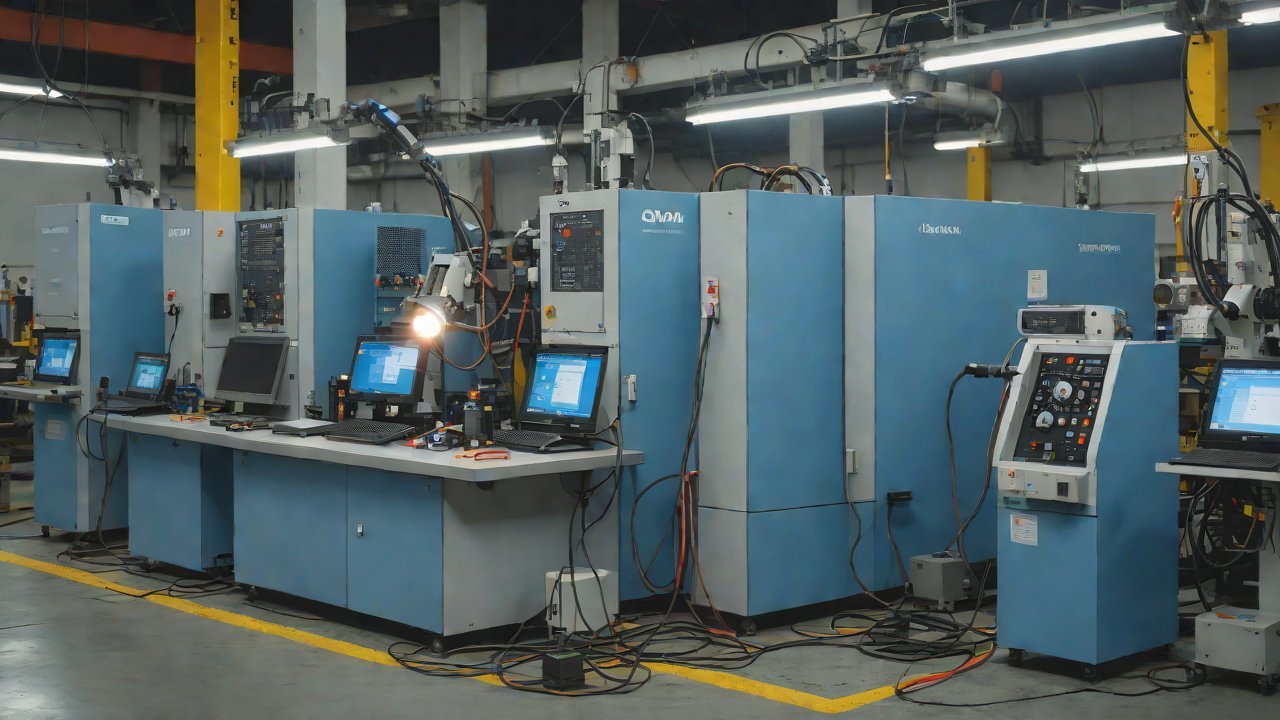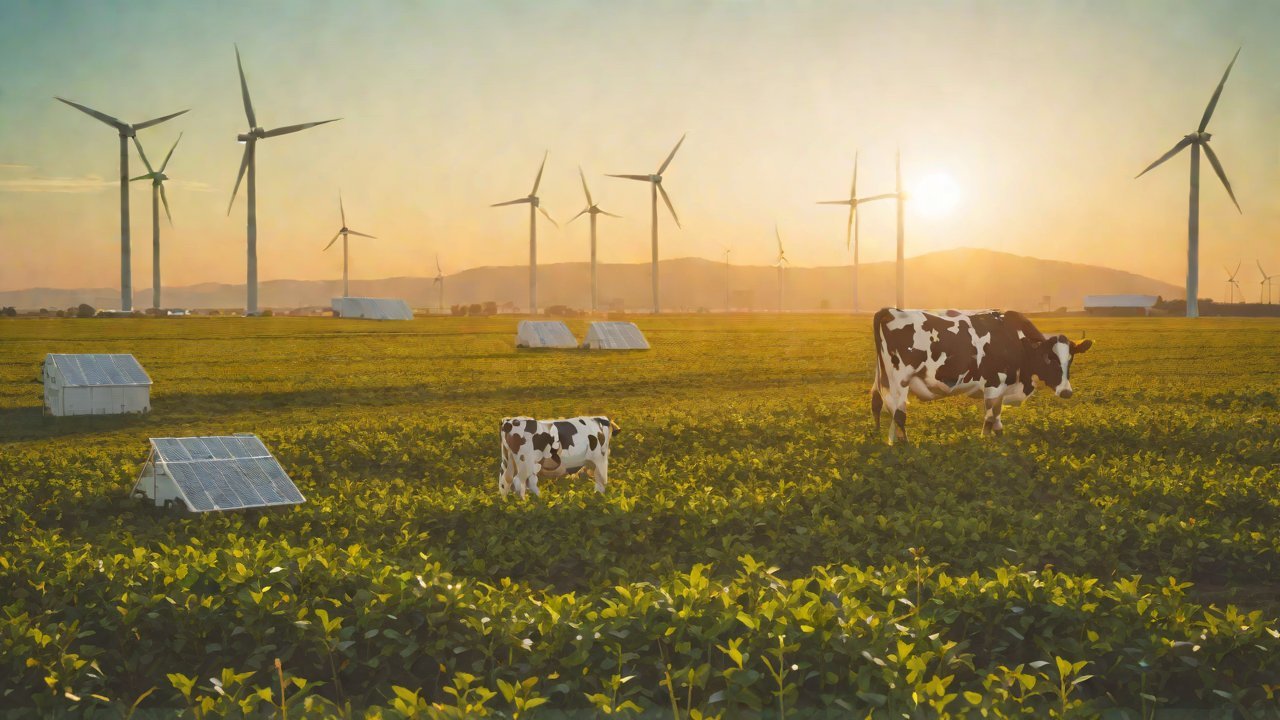
How can this technology contribute to achieving the “carbon peak” goal in livestock farming?
The livestock industry is one of the most significant contributors to greenhouse gas emissions, accounting for around 14.5% of global emissions. The “carbon peak” goal, which aims to limit the growth of global emissions and eventually bring them down to net-zero, is an ambitious target that requires innovative solutions. One such solution is the application of emerging technologies in livestock farming. This report will delve into the potential of these technologies to contribute to achieving the “carbon peak” goal in the livestock industry.
1. Overview of the Livestock Industry’s Carbon Footprint
The livestock industry’s carbon footprint is substantial, with the majority of emissions coming from methane (CH4) and nitrous oxide (N2O) production. Methane is a potent greenhouse gas, with a global warming potential (GWP) 28 times higher than carbon dioxide (CO2) over a 100-year time frame. Nitrous oxide, on the other hand, has a GWP 265-298 times higher than CO2. The main sources of these emissions are enteric fermentation (the digestive process in ruminant animals), manure management, and synthetic fertilizer use.
| Emission Source | Global Emissions (Mt CO2-eq) | Percentage of Total Emissions |
|---|---|---|
| Enteric Fermentation | 3,137 | 43.1% |
| Manure Management | 1,444 | 20.1% |
| Synthetic Fertilizer Use | 1,044 | 14.5% |
| Other Sources | 1,444 | 20.1% |
2. Emerging Technologies in Livestock Farming
Several emerging technologies have the potential to reduce the livestock industry’s carbon footprint. These include:
- Precision Livestock Farming (PLF): PLF involves the use of advanced technologies such as sensors, drones, and data analytics to monitor animal health, behavior, and productivity.
- Artificial Intelligence (AI): AI can be used to optimize feed formulation, predict animal health issues, and improve breeding programs.
- Genomics: Genomics involves the study of an organism’s genome and can be used to develop more efficient and sustainable breeding programs.
- Vertical Farming: Vertical farming involves growing animals in vertically stacked layers, reducing the need for land and improving feed efficiency.
- Lab-Grown Meat: Lab-grown meat involves growing meat in a laboratory using cell cultures, eliminating the need for animal slaughter.
| Technology | Potential Emissions Reduction | Implementation Timeframe |
|---|---|---|
| PLF | 10-20% | Short-term (2025-2030) |
| AI | 5-15% | Medium-term (2030-2040) |
| Genomics | 5-10% | Long-term (2040-2050) |
| Vertical Farming | 10-20% | Short-term (2025-2030) |
| Lab-Grown Meat | 20-30% | Long-term (2040-2050) |
3. Potential of Precision Livestock Farming (PLF)
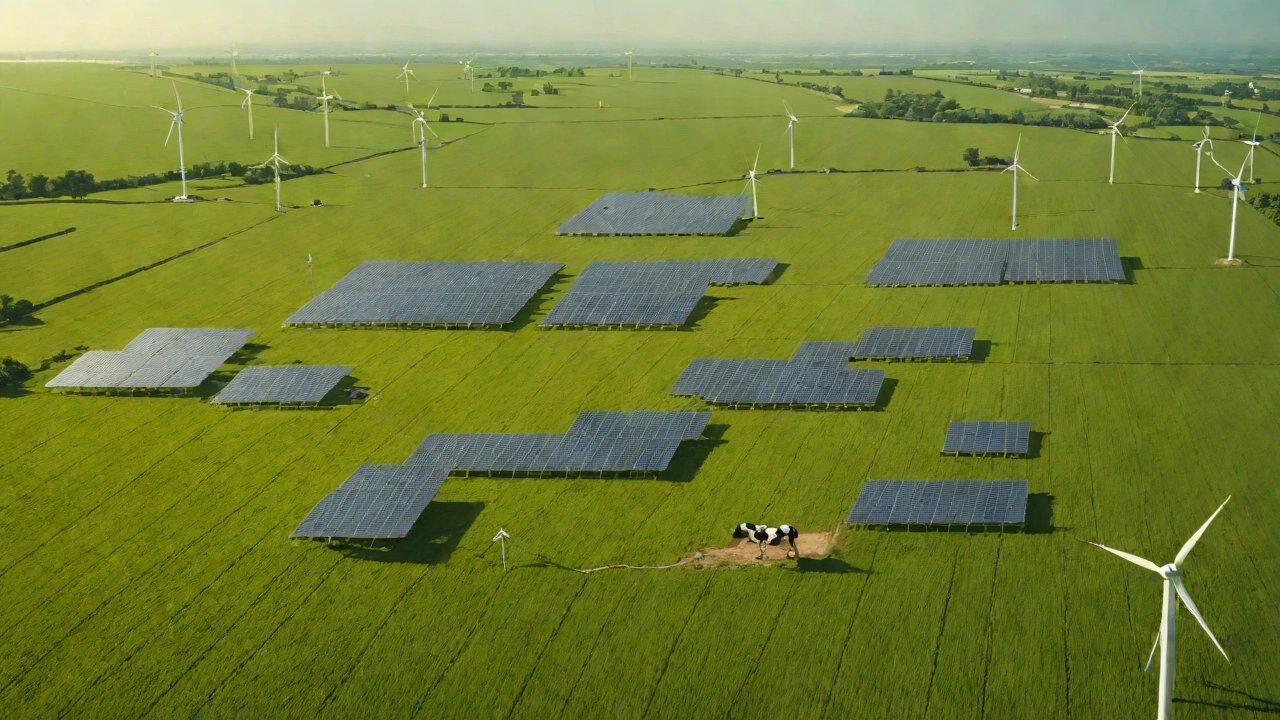
PLF has the potential to reduce emissions from livestock farming in several ways. Firstly, PLF can improve feed efficiency by optimizing feed formulation and reducing waste. Secondly, PLF can improve animal health by monitoring and predicting health issues, reducing the need for antibiotics and other treatments. Finally, PLF can improve breeding programs by selecting for animals that are more efficient and resilient.
| PLF Application | Potential Emissions Reduction |
|---|---|
| Feed Efficiency | 5-10% |
| Animal Health | 5-10% |
| Breeding Programs | 5-10% |
4. Role of Artificial Intelligence (AI) in Reducing Emissions
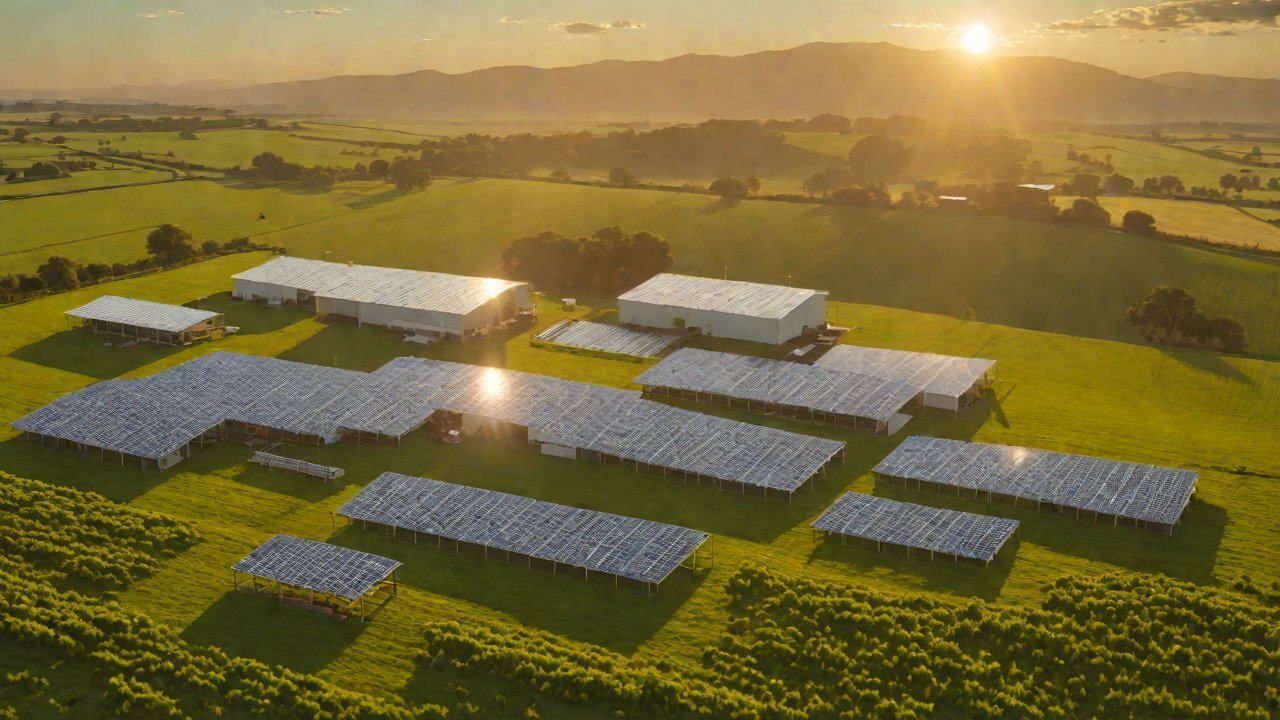
AI has the potential to play a significant role in reducing emissions from livestock farming. AI can be used to optimize feed formulation, predict animal health issues, and improve breeding programs. AI can also be used to develop more efficient and sustainable breeding programs by analyzing large datasets and identifying patterns and trends.
| AI Application | Potential Emissions Reduction |
|---|---|
| Feed Formulation | 5-10% |
| Animal Health Prediction | 5-10% |
| Breeding Programs | 5-10% |
5. Genomics and the Future of Livestock Farming
Genomics has the potential to revolutionize the livestock industry by enabling more efficient and sustainable breeding programs. Genomics can be used to select for animals that are more efficient and resilient, reducing the need for antibiotics and other treatments. Genomics can also be used to develop more efficient and sustainable feed formulations.
| Genomics Application | Potential Emissions Reduction |
|---|---|
| Breeding Programs | 5-10% |
| Feed Formulation | 5-10% |
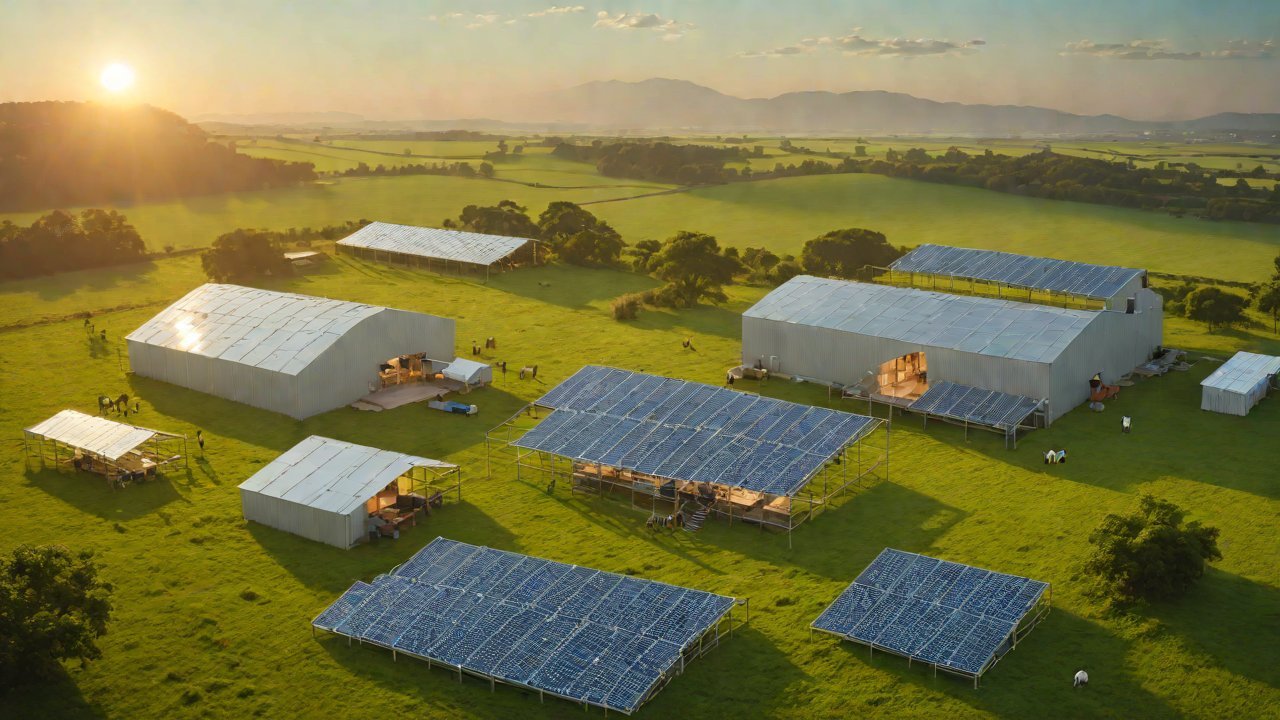
6. Vertical Farming and Lab-Grown Meat
Vertical farming and lab-grown meat have the potential to significantly reduce emissions from livestock farming. Vertical farming can reduce the need for land and improve feed efficiency, while lab-grown meat can eliminate the need for animal slaughter.
| Technology | Potential Emissions Reduction |
|---|---|
| Vertical Farming | 10-20% |
| Lab-Grown Meat | 20-30% |
7. Implementation Roadmap
Achieving the “carbon peak” goal in livestock farming will require a coordinated effort from governments, industry stakeholders, and technology developers. A potential implementation roadmap could involve the following steps:
- Short-term (2025-2030): Implement precision livestock farming (PLF) and vertical farming technologies to reduce emissions from feed efficiency and land use.
- Medium-term (2030-2040): Implement artificial intelligence (AI) and genomics technologies to improve breeding programs and reduce emissions from animal health.
- Long-term (2040-2050): Implement lab-grown meat and other emerging technologies to eliminate the need for animal slaughter and reduce emissions from feed production.
8. Conclusion
Achieving the “carbon peak” goal in livestock farming will require innovative solutions and a coordinated effort from governments, industry stakeholders, and technology developers. Emerging technologies such as precision livestock farming, artificial intelligence, genomics, vertical farming, and lab-grown meat have the potential to significantly reduce emissions from livestock farming. A potential implementation roadmap could involve the implementation of these technologies in a coordinated and phased manner.
IOT Cloud Platform
IOT Cloud Platform is an IoT portal established by a Chinese IoT company, focusing on technical solutions in the fields of agricultural IoT, industrial IoT, medical IoT, security IoT, military IoT, meteorological IoT, consumer IoT, automotive IoT, commercial IoT, infrastructure IoT, smart warehousing and logistics, smart home, smart city, smart healthcare, smart lighting, etc.
The IoT Cloud Platform blog is a top IoT technology stack, providing technical knowledge on IoT, robotics, artificial intelligence (generative artificial intelligence AIGC), edge computing, AR/VR, cloud computing, quantum computing, blockchain, smart surveillance cameras, drones, RFID tags, gateways, GPS, 3D printing, 4D printing, autonomous driving, etc.