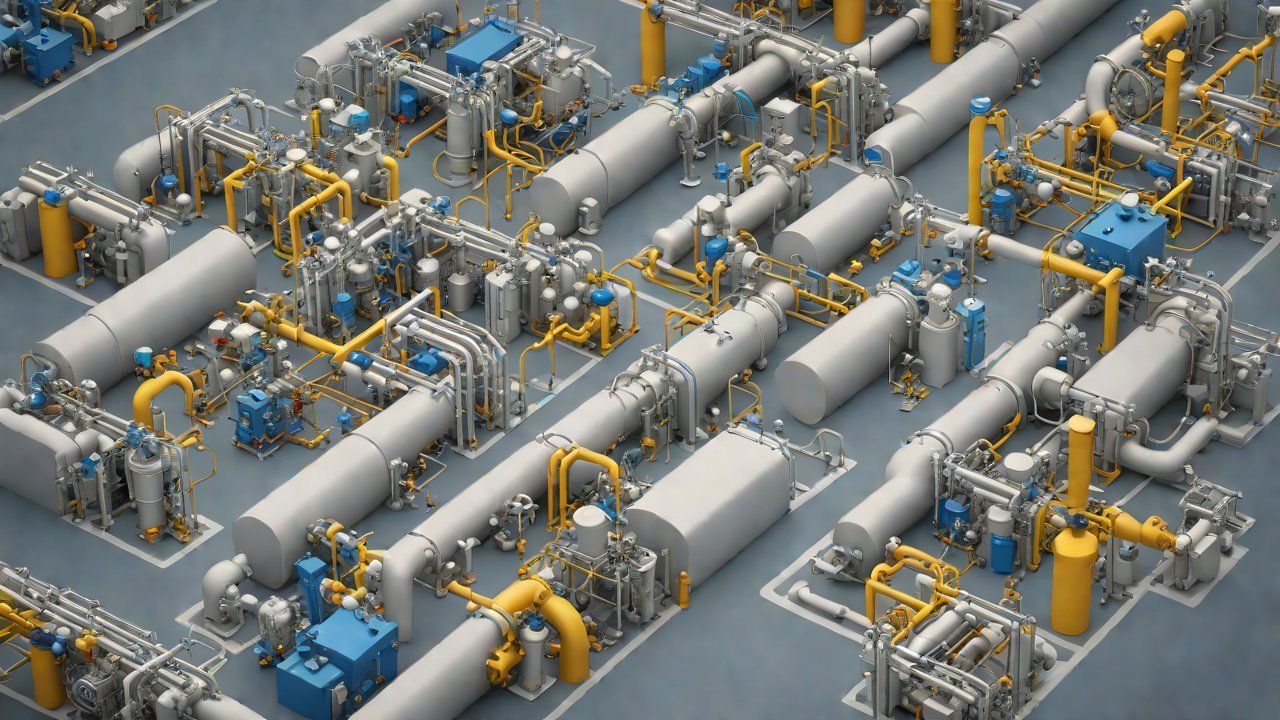
How can this 3D rendering engine present a real-time energy flow map of a factory?
The convergence of advanced technologies is revolutionizing the way we monitor and manage industrial processes, enabling the creation of immersive, data-driven environments that enhance operational efficiency and sustainability. A prime example of this trend is the integration of 3D rendering engines with real-time energy flow mapping in factories. This innovative approach has far-reaching implications for manufacturing industries seeking to optimize resource utilization, reduce waste, and minimize environmental impact.
1. Background
Industrial processes are increasingly being optimized using data analytics and visualization techniques. The introduction of Internet of Things (IoT) sensors, industrial automation systems, and advanced monitoring technologies is providing a wealth of real-time data that can be leveraged to improve operational efficiency. Among these innovations, the use of 3D rendering engines for real-time energy flow mapping stands out due to its potential for immersive visualization and immediate decision-making.
Key Challenges
- Data Integration: Combining disparate data sources from various systems, including energy consumption monitoring, production schedules, and environmental sensors.
- Scalability: Handling high volumes of data in real-time without compromising performance.
- Interpretation: Providing clear insights into complex energy flow dynamics for non-expert stakeholders.
2. Technical Overview
To present a real-time energy flow map using a 3D rendering engine, several technical components are crucial:
-
Data Collection and Processing:
- IoT sensors for collecting data on energy consumption.
- Cloud or edge computing platforms for processing and storing the data in real-time.
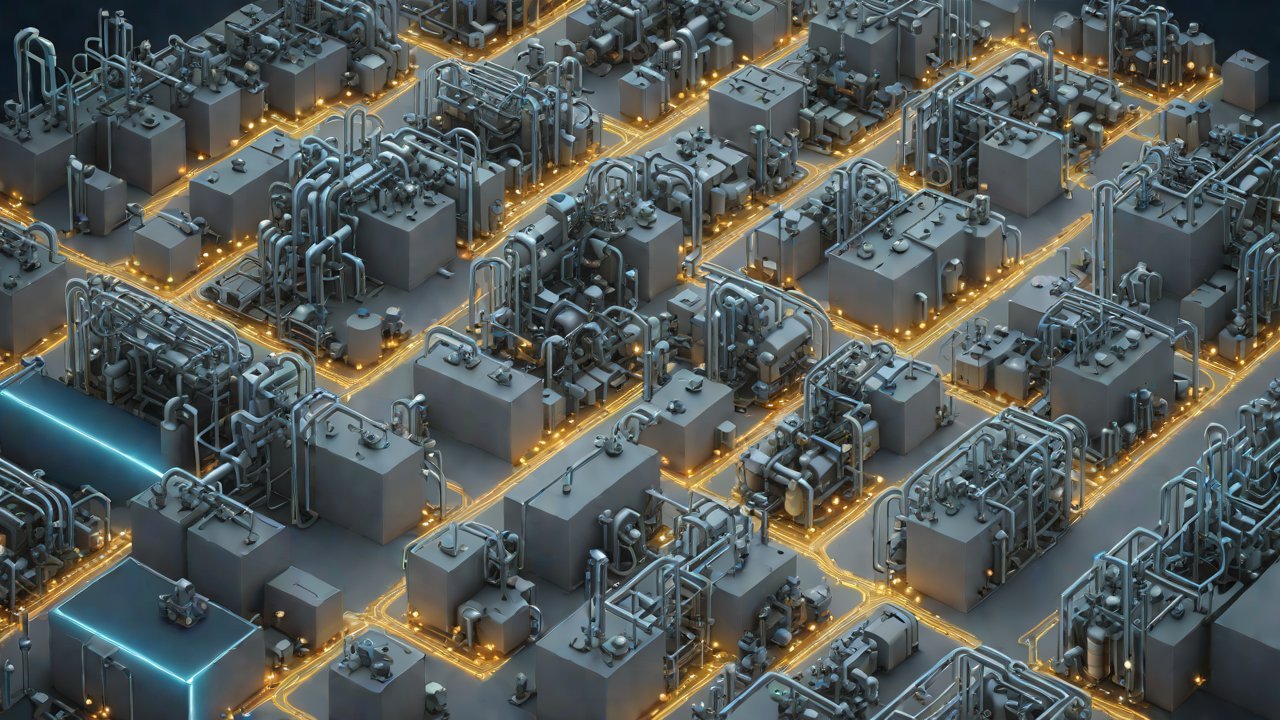
-
Rendering Engine:
- Utilizing a 3D rendering engine capable of handling large datasets, such as Unreal Engine or Unity.
- Integrating with data visualization libraries like Three.js for web-based applications.
-
Data Visualization:
- Designing interactive and dynamic visualizations that can update in real-time based on changing energy consumption patterns.
- Incorporating gamification elements to enhance user engagement and awareness.
3. Implementation Strategies
Implementing a real-time energy flow map using a 3D rendering engine involves several strategic considerations:
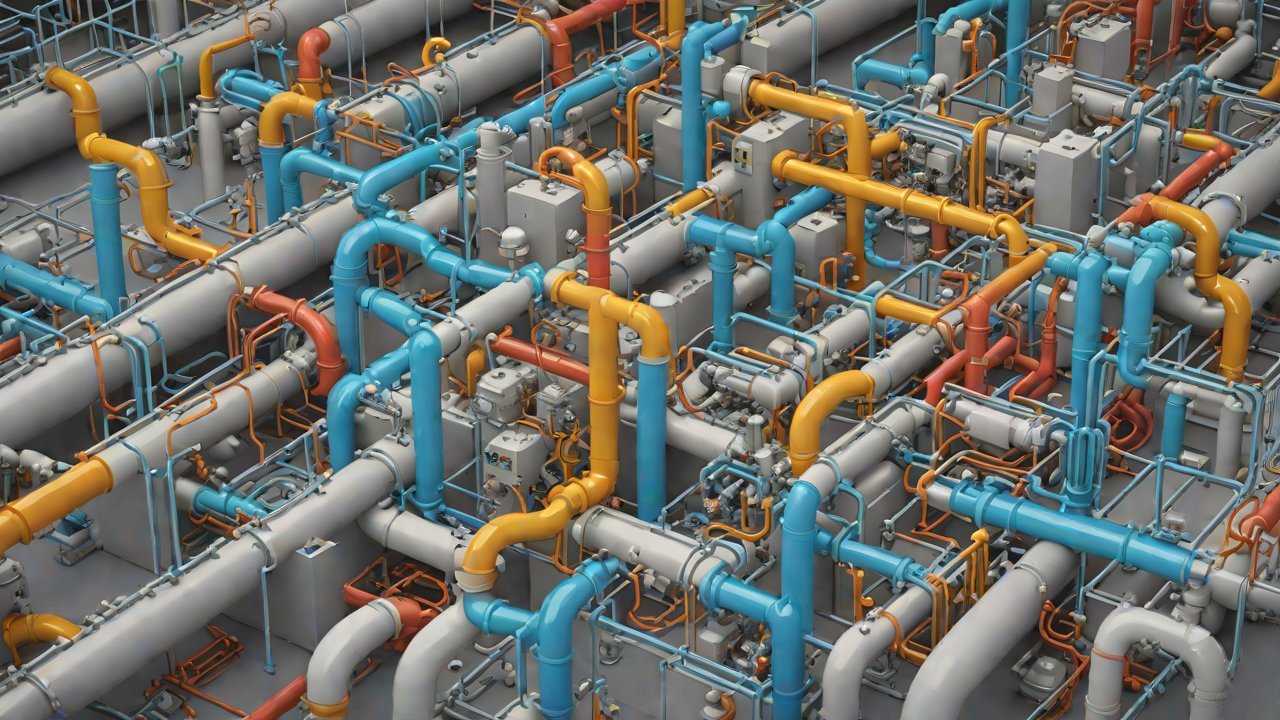
- Collaborative Design: Engaging with stakeholders from various departments to ensure that the visualization meets their needs.
- Data Quality Assurance: Implementing robust data validation and quality control mechanisms to prevent errors or inaccuracies in the visualizations.
4. Market Analysis
The demand for real-time monitoring and optimization solutions is on the rise, driven by increasing environmental concerns and the need for operational efficiency:
| Year | Global IoT Spending (Billions USD) |
|---|---|
| 2020 | $1.14 |
| 2025 | $3.45 |
Source: IDC Worldwide Black Book
5. Case Studies and Best Practices
Several industries have successfully implemented real-time energy flow mapping using 3D rendering engines:
- Manufacturing: Companies like Siemens and GE use such technologies to optimize production processes.
- Energy Management: Utilities employ real-time monitoring systems to manage energy distribution.
6. Future Directions and Considerations
As technology continues to evolve, several areas will require further investigation for the effective implementation of real-time energy flow maps:
- Artificial Intelligence Integration: Leveraging AI algorithms to predict energy consumption patterns based on historical data.
- Cybersecurity Measures: Ensuring the integrity and security of collected data against potential cyber threats.
In conclusion, integrating a 3D rendering engine with real-time energy flow mapping in factories presents a comprehensive solution for enhancing operational efficiency and sustainability. By addressing key challenges through effective implementation strategies, industries can harness the full potential of this technology to reduce environmental impact while optimizing resource utilization.
IOT Cloud Platform
IOT Cloud Platform is an IoT portal established by a Chinese IoT company, focusing on technical solutions in the fields of agricultural IoT, industrial IoT, medical IoT, security IoT, military IoT, meteorological IoT, consumer IoT, automotive IoT, commercial IoT, infrastructure IoT, smart warehousing and logistics, smart home, smart city, smart healthcare, smart lighting, etc.
The IoT Cloud Platform blog is a top IoT technology stack, providing technical knowledge on IoT, robotics, artificial intelligence (generative artificial intelligence AIGC), edge computing, AR/VR, cloud computing, quantum computing, blockchain, smart surveillance cameras, drones, RFID tags, gateways, GPS, 3D printing, 4D printing, autonomous driving, etc.