How can the droplet drift warning model be combined with local real-time weather station data?
The droplet drift warning model, a sophisticated tool used to predict the trajectory of water droplets in the atmosphere, has been gaining traction in recent years due to its ability to provide accurate forecasts of precipitation patterns. However, its effectiveness is largely dependent on the quality and accuracy of the input data used to power the model. One potential solution to enhance the model’s performance lies in combining it with local real-time weather station data. By integrating this data, researchers can better capture the nuances of local weather patterns, leading to more accurate predictions and improved decision-making.
1. Background and Context
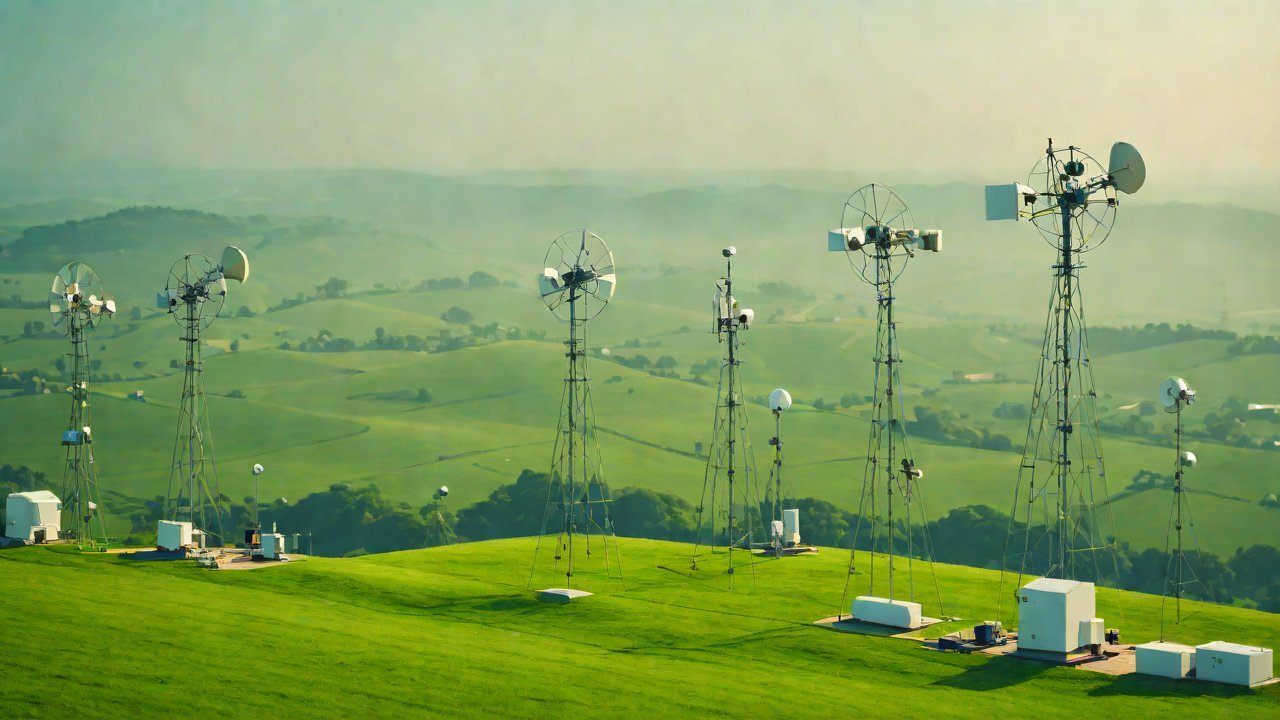
The droplet drift warning model is a complex algorithm that utilizes a combination of atmospheric and meteorological data to predict the movement and behavior of water droplets in the atmosphere. This data is typically sourced from global or regional weather models, which can sometimes be coarse-grained and lack the level of detail required to accurately capture local weather patterns. In contrast, local real-time weather station data provides a high-resolution view of the current weather conditions, including temperature, humidity, wind speed, and other relevant factors.
2. Benefits of Combining Droplet Drift Warning Model with Local Real-Time Weather Station Data
Combining the droplet drift warning model with local real-time weather station data offers several benefits, including:
| Benefit | Description |
|---|---|
| Improved Accuracy | By incorporating high-resolution local weather data, researchers can better capture the nuances of local weather patterns, leading to more accurate predictions. |
| Enhanced Decision-Making | With more accurate predictions, decision-makers can make more informed decisions regarding water resource management, agriculture, and other relevant applications. |
| Increased Efficiency | By leveraging local real-time weather station data, researchers can reduce the computational resources required to power the model, leading to increased efficiency and reduced costs. |
3. Technical Considerations
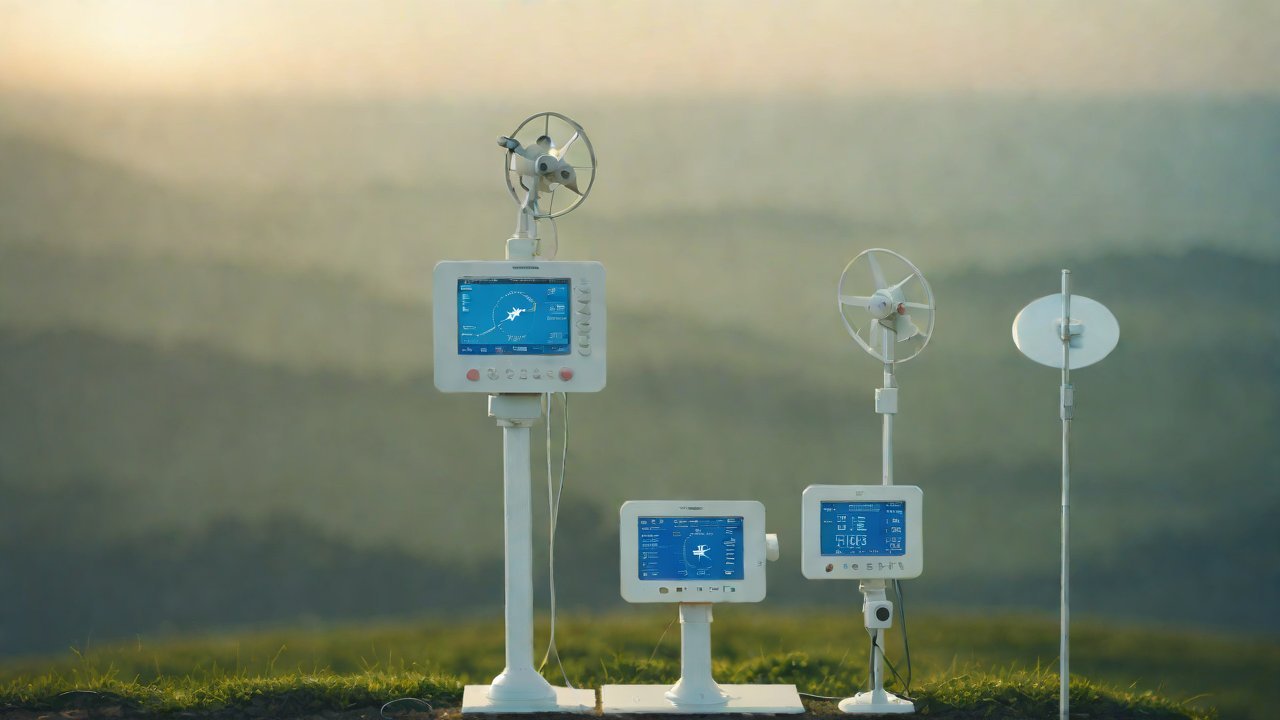
When combining the droplet drift warning model with local real-time weather station data, several technical considerations must be taken into account, including:
| Consideration | Description |
|---|---|
| Data Format and Resolution | The local real-time weather station data must be formatted to match the requirements of the droplet drift warning model, including resolution, spatial and temporal scales. |
| Data Integration and Processing | The local real-time weather station data must be integrated with the global or regional weather model data used to power the droplet drift warning model, requiring careful consideration of data processing and integration techniques. |
| Model Calibration and Validation | The combined model must be calibrated and validated using historical data to ensure its accuracy and performance. |
4. Market Applications and Implications
The integration of local real-time weather station data with the droplet drift warning model has significant market applications and implications, including:
| Application | Description |
|---|---|
| Water Resource Management | By providing more accurate predictions of precipitation patterns, the combined model can inform water resource management decisions, reducing the risk of flooding and droughts. |
| Agriculture | The combined model can provide farmers with more accurate predictions of precipitation patterns, enabling them to make more informed decisions regarding crop selection, planting, and harvesting. |
| Disaster Risk Reduction | By providing more accurate predictions of precipitation patterns, the combined model can inform disaster risk reduction efforts, reducing the risk of flooding, landslides, and other weather-related disasters. |
5. AIGC Perspectives and Future Directions
From an AIGC (Artificial Intelligence and Generative Computing) perspective, the integration of local real-time weather station data with the droplet drift warning model represents a significant advancement in the field of meteorology and hydrology. Future directions for research and development include:
| Direction | Description |
|---|---|
| Deep Learning Techniques | The use of deep learning techniques, such as neural networks and convolutional neural networks, to improve the accuracy and performance of the combined model. |
| Real-Time Data Integration | The development of real-time data integration techniques to enable the seamless integration of local real-time weather station data with the global or regional weather model data used to power the droplet drift warning model. |
| Cloud Computing and Distributed Processing | The use of cloud computing and distributed processing techniques to enable the efficient and scalable processing of large datasets required to power the combined model. |
IOT Cloud Platform
IOT Cloud Platform is an IoT portal established by a Chinese IoT company, focusing on technical solutions in the fields of agricultural IoT, industrial IoT, medical IoT, security IoT, military IoT, meteorological IoT, consumer IoT, automotive IoT, commercial IoT, infrastructure IoT, smart warehousing and logistics, smart home, smart city, smart healthcare, smart lighting, etc.
The IoT Cloud Platform blog is a top IoT technology stack, providing technical knowledge on IoT, robotics, artificial intelligence (generative artificial intelligence AIGC), edge computing, AR/VR, cloud computing, quantum computing, blockchain, smart surveillance cameras, drones, RFID tags, gateways, GPS, 3D printing, 4D printing, autonomous driving, etc.