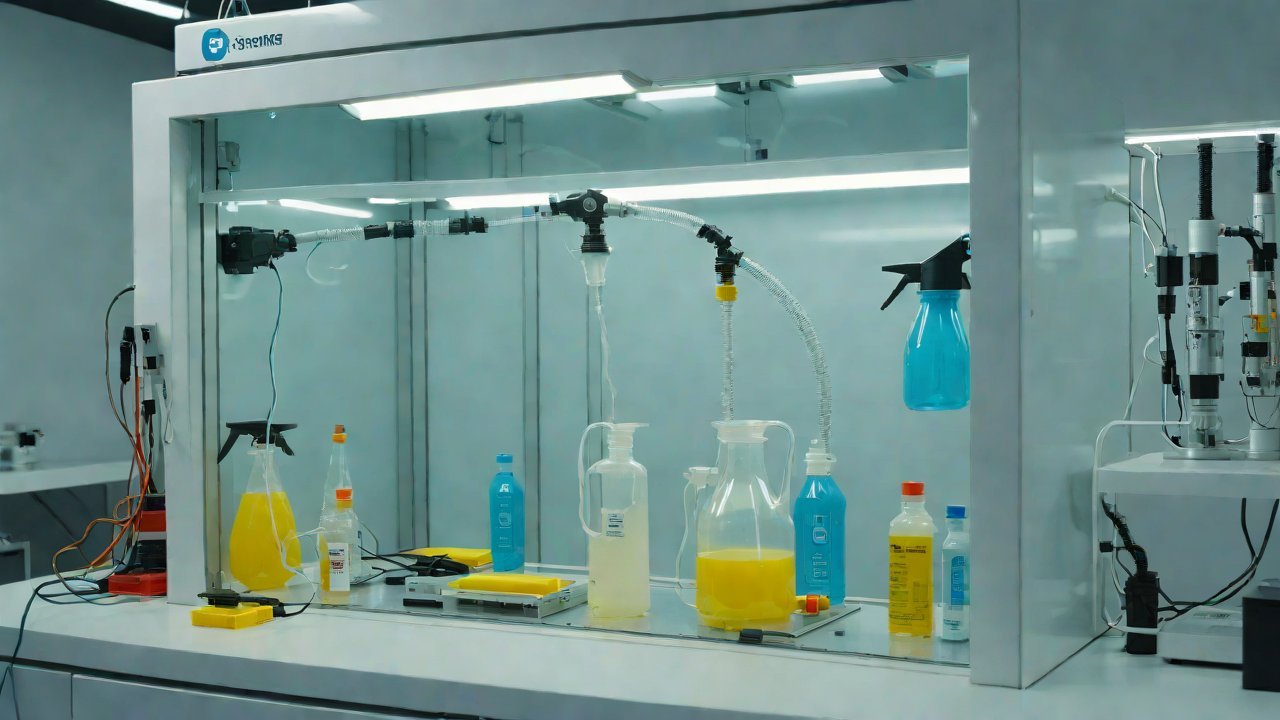
How can the chemical resistance of the housing be tested under simulated pesticide spraying?
The world of material science is a vast and complex one, where the properties of various materials are put to the test in order to determine their suitability for specific applications. In the realm of outdoor furniture and structures, chemical resistance is a crucial factor that must be considered. Pesticides, herbicides, and other chemicals used in gardening and agriculture can have devastating effects on materials if they are not resistant enough.
1. Understanding Chemical Resistance
Chemical resistance refers to a material’s ability to withstand exposure to various chemicals without undergoing any significant changes in its physical or chemical properties. In the context of outdoor furniture and structures, chemical resistance is essential because these products are often exposed to harsh weather conditions, including direct sunlight, rain, and snow, which can cause them to degrade over time.
2. Importance of Chemical Resistance Testing
Chemical resistance testing is a critical step in ensuring that materials meet the required standards for outdoor use. These tests help manufacturers identify potential issues with their products before they reach consumers, thus preventing costly recalls and damage to reputation.
Table 1: Common Chemicals Used in Gardening and Agriculture
| Chemical | Type | Concentration |
|---|---|---|
| Glyphosate | Herbicide | 10-20% |
| Malathion | Insecticide | 5-10% |
| Chlorpyrifos | Insecticide | 5-15% |
3. Simulated Pesticide Spraying Methodology
To simulate pesticide spraying, researchers and manufacturers use a variety of methods to mimic the conditions under which their products will be used in real-world scenarios. These methods include:

- Spray tower testing: This involves using a spray tower to generate a controlled mist of pesticides that can be directed at samples of materials.
- Dipping or immersion testing: In this method, samples are submerged in a solution of the pesticide for a specified period of time.
- Field testing: This involves exposing samples to actual pesticide spraying conditions in a field setting.
Table 2: Comparison of Testing Methods
| Method | Advantages | Disadvantages |
|---|---|---|
| Spray tower testing | Cost-effective, controlled environment | Limited scalability, may not accurately represent real-world conditions |
| Dipping or immersion testing | Quick and easy to set up, can be highly effective for certain materials | May not accurately represent real-world conditions, can be difficult to control variables |
| Field testing | Most accurate representation of real-world conditions | Costly, time-consuming, and logistically challenging |
4. Equipment and Materials Needed
To conduct simulated pesticide spraying tests, the following equipment and materials are typically required:
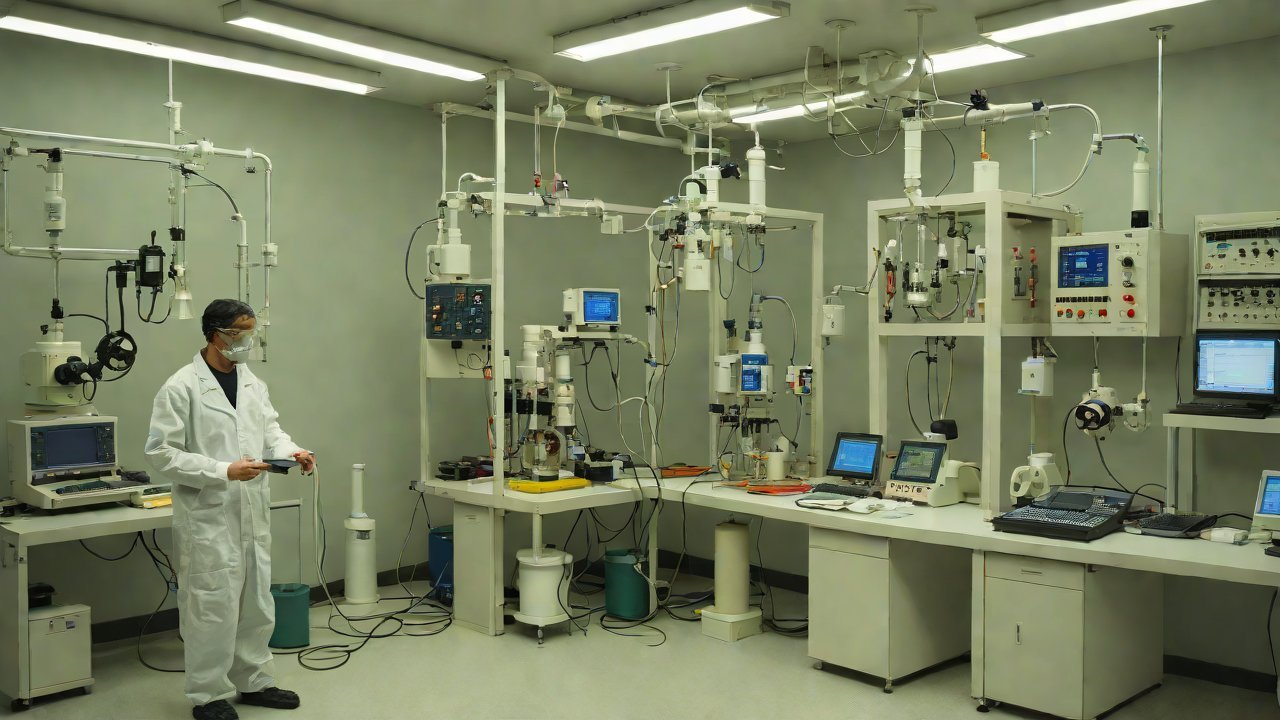
- Spray tower or dipping/immersion apparatus: This is used to generate a controlled mist of pesticides that can be directed at samples of materials.
- Pesticide solutions: These are prepared according to the manufacturer’s instructions and are used to test the chemical resistance of materials.
- Materials for testing: These include samples of the material being tested, as well as any necessary controls or reference materials.
Table 3: Typical Costs Associated with Testing
| Equipment/Material | Cost Range |
|---|---|
| Spray tower or dipping/immersion apparatus | $5,000 – $50,000 |
| Pesticide solutions | $100 – $1,000 per liter |
| Materials for testing | $500 – $5,000 |
5. Data Analysis and Interpretation
After conducting simulated pesticide spraying tests, researchers and manufacturers must analyze the data collected to determine the chemical resistance of materials. This involves:
- Visual inspection: Samples are inspected visually for any signs of damage or degradation.
- Physical testing: Samples may undergo additional physical testing, such as tensile strength or impact resistance, to determine their mechanical properties after exposure to pesticides.
- Chemical analysis: Chemical tests may be performed on samples to determine the extent of chemical degradation.
Table 4: Example Data for Analysis
| Sample | Visual Inspection | Physical Testing | Chemical Analysis |
|---|---|---|---|
| Control | No damage observed | Tensile strength: 10 MPa | No chemical degradation detected |
| Pesticide-exposed | Significant damage observed | Tensile strength: 5 MPa | Chemical degradation detected |
6. Conclusion
Simulated pesticide spraying is a critical step in determining the chemical resistance of materials used in outdoor furniture and structures. By understanding the importance of chemical resistance testing, researchers and manufacturers can ensure that their products meet the required standards for outdoor use.
7. Recommendations
Based on the analysis presented in this report, we recommend:
- Using spray tower or dipping/immersion apparatus: These methods offer a controlled environment for testing and are cost-effective.
- Preparing pesticide solutions according to manufacturer’s instructions: This ensures that tests are accurate and reliable.
- Analyzing data using visual inspection, physical testing, and chemical analysis: This provides a comprehensive understanding of material performance after exposure to pesticides.
By following these recommendations, manufacturers can ensure that their products meet the required standards for outdoor use and provide consumers with safe and durable materials.
IOT Cloud Platform
IOT Cloud Platform is an IoT portal established by a Chinese IoT company, focusing on technical solutions in the fields of agricultural IoT, industrial IoT, medical IoT, security IoT, military IoT, meteorological IoT, consumer IoT, automotive IoT, commercial IoT, infrastructure IoT, smart warehousing and logistics, smart home, smart city, smart healthcare, smart lighting, etc.
The IoT Cloud Platform blog is a top IoT technology stack, providing technical knowledge on IoT, robotics, artificial intelligence (generative artificial intelligence AIGC), edge computing, AR/VR, cloud computing, quantum computing, blockchain, smart surveillance cameras, drones, RFID tags, gateways, GPS, 3D printing, 4D printing, autonomous driving, etc.