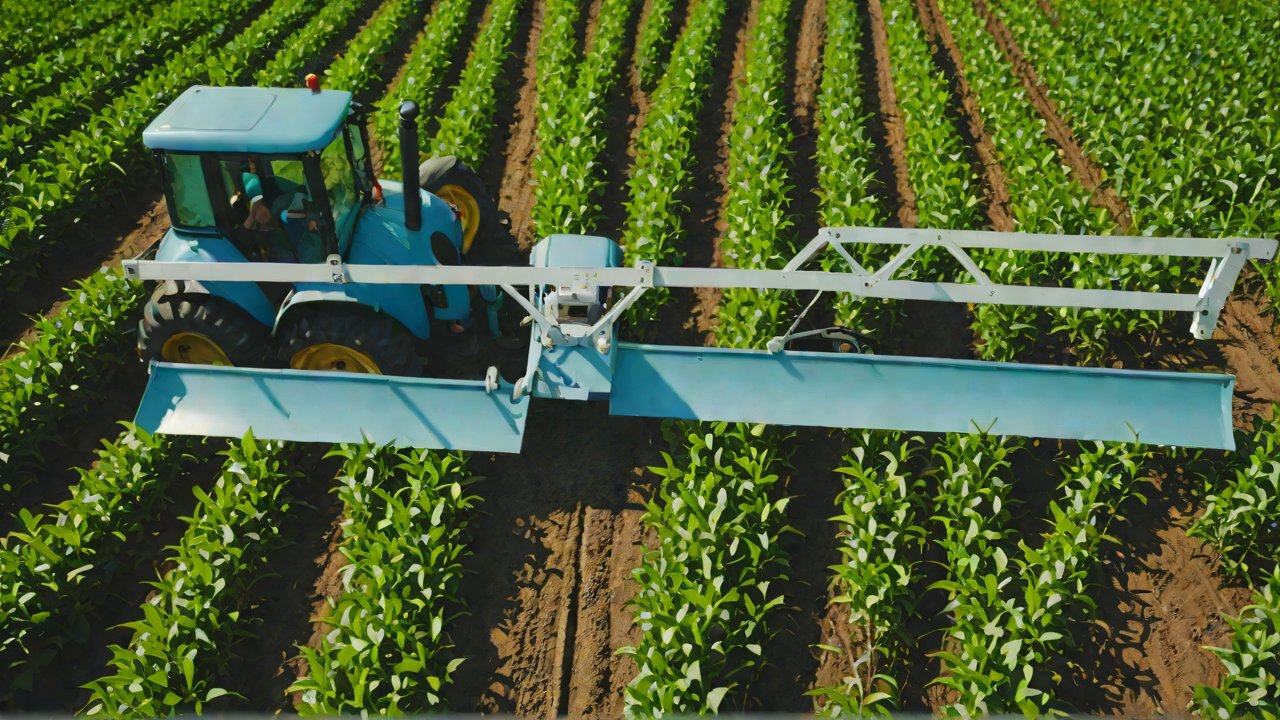
How can seeders avoid accidentally damaging shallowly buried sensors during field operations?
As seeder technology continues to advance, farmers and agricultural companies are increasingly relying on precision agriculture techniques to optimize crop yields and reduce waste. One critical component of these systems is the use of shallowly buried sensors that monitor soil moisture levels, temperature, and other environmental factors. However, during field operations, it’s not uncommon for seeders to accidentally damage these delicate instruments, rendering them inoperable and resulting in significant losses.
This problem is not just limited to individual farmers; it has far-reaching implications for the entire agricultural industry. According to a report by MarketsandMarkets, the global precision agriculture market size is expected to reach USD 13.1 billion by 2025, growing at a CAGR of 12.8% from 2020 to 2025. As more companies invest in these technologies, the potential for damage to shallowly buried sensors becomes increasingly significant.
To mitigate this risk, seeders must adopt strategies that minimize the likelihood of accidental damage during field operations. This report will provide an exhaustive analysis of the measures that can be taken by seeder manufacturers, farmers, and agricultural companies to avoid damaging shallowly buried sensors.
1. Understanding the Risks
Before exploring potential solutions, it’s essential to understand the risks associated with damaging shallowly buried sensors. The primary concerns are:
- Data loss: Shallowly buried sensors provide critical real-time data on soil conditions, which is used to make informed decisions about irrigation, fertilization, and pest control.
- Equipment damage: In addition to sensor damage, accidental contact with the seeder can also result in damage to other equipment, such as GPS systems or cameras.
- Financial losses: The cost of replacing damaged sensors and equipment can be substantial, not to mention the potential for reduced crop yields due to inaccurate data.
2. Seeding Technology Advancements
To minimize the risk of damaging shallowly buried sensors, seeder manufacturers must incorporate design improvements that take into account the presence of these instruments. Some potential solutions include:
- Sensor- aware seeders: These advanced systems use GPS and mapping technology to identify the location of shallowly buried sensors and adjust their operation accordingly.
- Automated depth control: This feature allows seeders to maintain a consistent depth, reducing the likelihood of accidental contact with sensors.
- Real-time monitoring: Advanced seeder systems can provide real-time data on sensor locations, allowing farmers to make informed decisions about field operations.
3. Best Practices for Farmers and Agricultural Companies
While seeder manufacturers play a crucial role in designing safer equipment, farmers and agricultural companies must also adopt best practices to minimize the risk of damaging shallowly buried sensors. Some key strategies include:
- Pre-season planning: Conduct thorough surveys of the field to identify areas where shallowly buried sensors are likely to be present.
- Sensor mapping: Use GPS technology to create detailed maps of sensor locations, allowing farmers to plan their operations accordingly.
- Regular maintenance: Regularly inspect and maintain seeders to ensure they are operating at optimal levels.
4. Industry-Wide Initiatives
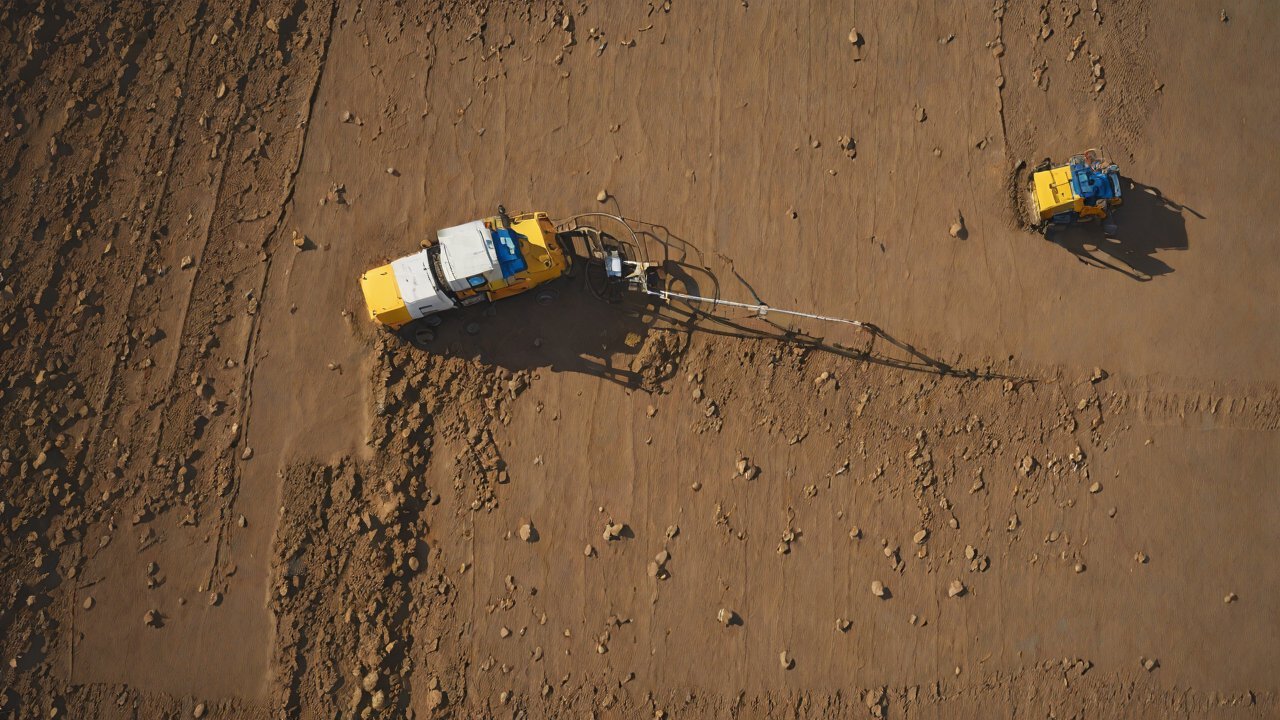
To address the issue of damaged shallowly buried sensors on a broader scale, industry-wide initiatives can play a crucial role in raising awareness and promoting best practices. Some potential strategies include:
- Industry standards: Establishing universal guidelines for seeder design and operation can help ensure that all equipment is safe for use in areas with shallowly buried sensors.
- Training programs: Providing education and training on the proper use of seeders in sensor-equipped fields can help reduce accidents and damage.
- Collaborative research: Encouraging collaboration between industry stakeholders, researchers, and farmers can lead to the development of more effective solutions for minimizing the risk of damaged shallowly buried sensors.
5. Market Trends and Analysis
The market for precision agriculture technologies is rapidly evolving, with many companies investing heavily in sensor-based systems. According to a report by Grand View Research, the global agricultural sensing market size is expected to reach USD 3.4 billion by 2027, growing at a CAGR of 14.1% from 2020 to 2027.
As the demand for precision agriculture technologies continues to grow, so too will the potential for damage to shallowly buried sensors. By adopting strategies that minimize this risk, seeders can help ensure the long-term viability of these critical instruments and support the continued growth of the agricultural industry.
Table: Comparison of Seeding Technologies
| Technology | Sensor-aware Seeders | Automated Depth Control | Real-time Monitoring |
|---|---|---|---|
| Description | Uses GPS and mapping technology to identify sensor locations | Maintains consistent depth to reduce accidental contact with sensors | Provides real-time data on sensor locations for informed decision-making |
| Advantages | Improved accuracy, reduced risk of damage | Increased efficiency, reduced waste | Enhanced decision-making capabilities |
| Disadvantages | Higher upfront cost, complex implementation | Requires regular maintenance, may not be suitable for all terrain types | May require significant infrastructure investments |
Table: Comparison of Industry-Wide Initiatives
| Initiative | Industry Standards | Training Programs | Collaborative Research |
|---|---|---|---|
| Description | Establishes universal guidelines for seeder design and operation | Provides education and training on proper use of seeders in sensor-equipped fields | Encourages collaboration between industry stakeholders, researchers, and farmers to develop effective solutions |
| Advantages | Improved safety, reduced risk of damage | Increased awareness, improved decision-making capabilities | Enhanced innovation, accelerated adoption of precision agriculture technologies |
| Disadvantages | May require significant investments in infrastructure and training | May not be suitable for all industry stakeholders or geographic regions | Requires collaboration and coordination among multiple parties |
By adopting the strategies outlined in this report, seeders can help minimize the risk of damaging shallowly buried sensors and support the continued growth of the agricultural industry. As market trends and analysis indicate a growing demand for precision agriculture technologies, it’s essential that companies prioritize the development of safer, more efficient equipment to ensure long-term viability.
IOT Cloud Platform
IOT Cloud Platform is an IoT portal established by a Chinese IoT company, focusing on technical solutions in the fields of agricultural IoT, industrial IoT, medical IoT, security IoT, military IoT, meteorological IoT, consumer IoT, automotive IoT, commercial IoT, infrastructure IoT, smart warehousing and logistics, smart home, smart city, smart healthcare, smart lighting, etc.
The IoT Cloud Platform blog is a top IoT technology stack, providing technical knowledge on IoT, robotics, artificial intelligence (generative artificial intelligence AIGC), edge computing, AR/VR, cloud computing, quantum computing, blockchain, smart surveillance cameras, drones, RFID tags, gateways, GPS, 3D printing, 4D printing, autonomous driving, etc.



