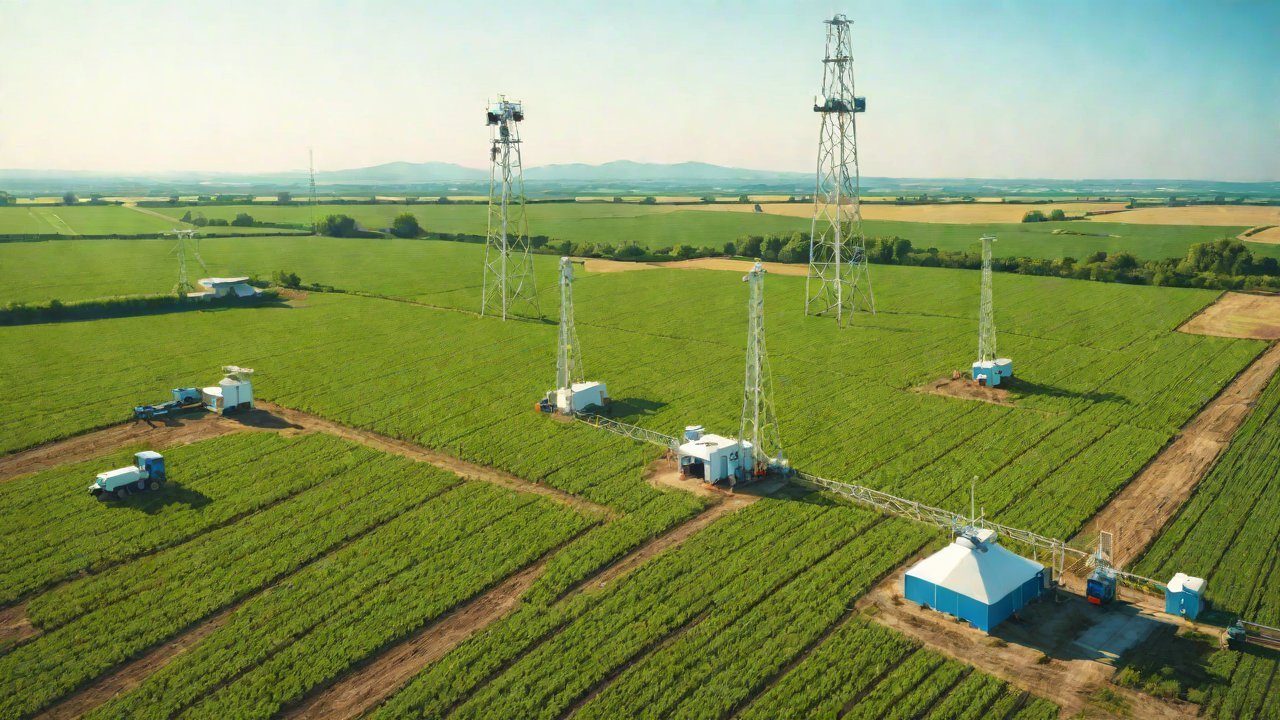
How can RTK centimeter-level positioning base stations be aligned with agricultural IoT sensors in real time?
RTK centimeter-level positioning base stations have revolutionized the field of precision agriculture by providing accurate and reliable location data. These base stations utilize Real-Time Kinematic (RTK) technology to achieve centimeter-level accuracy, enabling farmers to make informed decisions about crop management, irrigation, and fertilization. However, integrating these base stations with agricultural IoT sensors in real-time has presented a significant challenge. The ability to align these two technologies would unlock a plethora of benefits, including increased crop yields, reduced water and fertilizer consumption, and improved decision-making capabilities.
1. Understanding RTK Centimeter-Level Positioning Base Stations
RTK centimeter-level positioning base stations utilize a network of reference stations that transmit correction data to a rover station, which is usually a mobile device equipped with a GPS receiver. The rover station uses this correction data to calculate its precise position, achieving centimeter-level accuracy. This technology is based on the concept of differential GPS (DGPS), which involves comparing the rover’s GPS signal with that of a reference station to determine the exact position.
| Technology | Description | Accuracy |
|---|---|---|
| GPS | Global Positioning System | 1-10 meters |
| DGPS | Differential GPS | 1-10 cm |
| RTK | Real-Time Kinematic | 1-2 cm |
2. Agricultural IoT Sensors and Their Applications
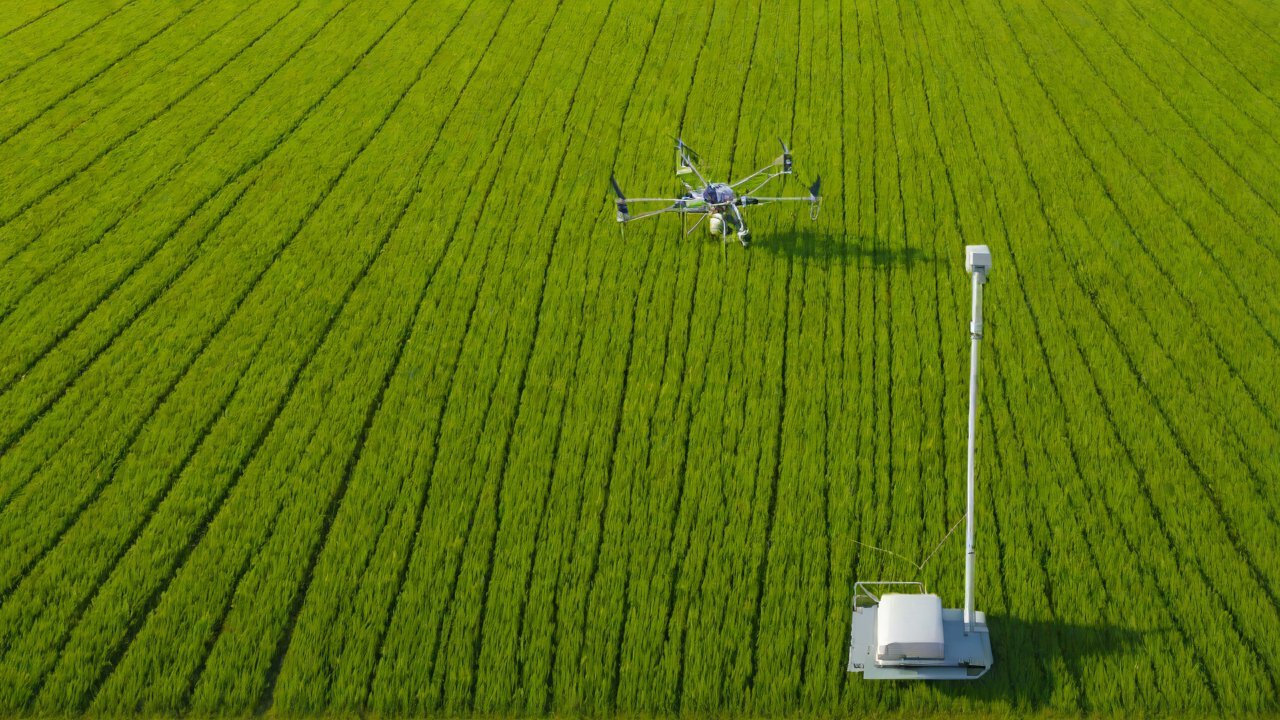
Agricultural IoT sensors are designed to monitor and collect data from various aspects of farm operations, including soil moisture, temperature, humidity, and crop health. These sensors can be integrated with various IoT platforms to provide real-time data and insights to farmers. Some common applications of agricultural IoT sensors include:
| Sensor Type | Application | Description |
|---|---|---|
| Soil Moisture Sensor | Irrigation Management | Measures soil moisture levels to optimize irrigation schedules |
| Temperature Sensor | Crop Health Monitoring | Monitors temperature fluctuations to detect potential crop diseases |
| Humidity Sensor | Crop Health Monitoring | Measures humidity levels to detect potential crop diseases |
3. Challenges in Aligning RTK Base Stations with Agricultural IoT Sensors
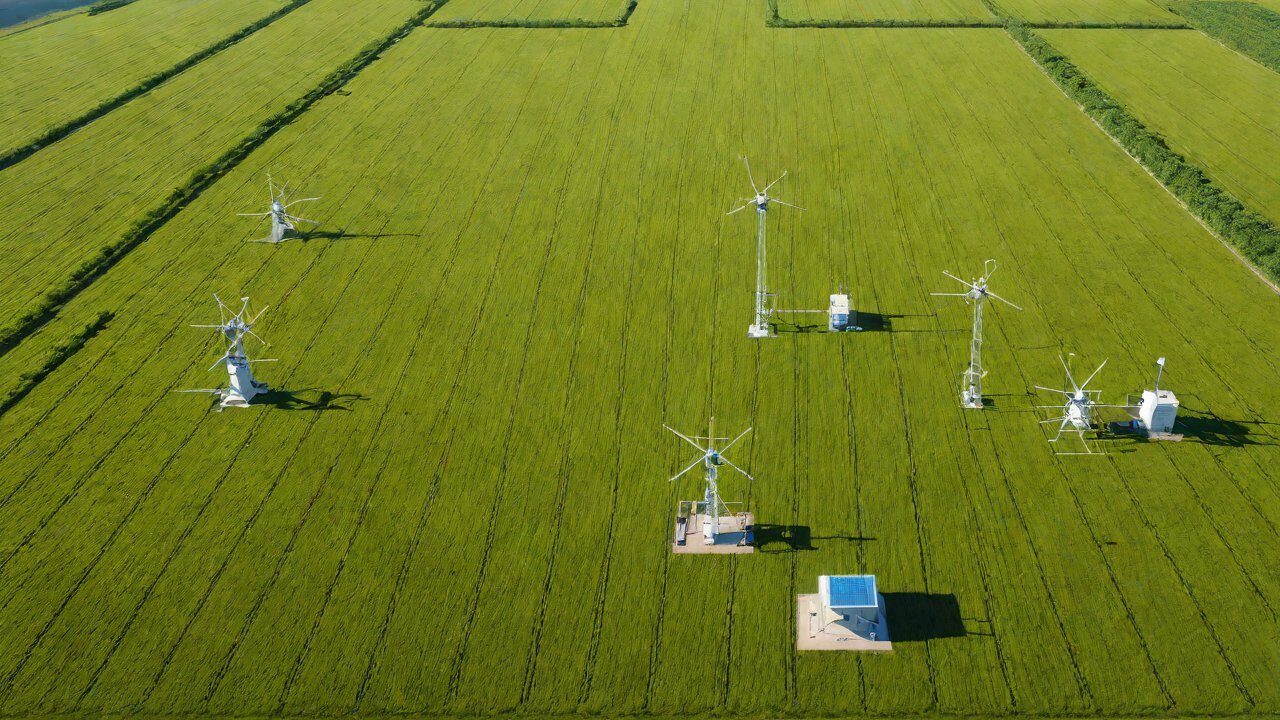
Integrating RTK centimeter-level positioning base stations with agricultural IoT sensors in real-time has presented several challenges. Some of the key challenges include:
- Data Integration: Integrating data from RTK base stations with agricultural IoT sensors requires a robust data management system that can handle large amounts of data from multiple sources.
- Data Standardization: Different RTK base stations and agricultural IoT sensors use different data formats and protocols, making it challenging to integrate them.
- Real-Time Processing: RTK base stations provide real-time positioning data, while agricultural IoT sensors provide near-real-time data. Integrating these two data streams requires efficient processing capabilities.
4. Solutions for Aligning RTK Base Stations with Agricultural IoT Sensors
Several solutions have been proposed to address the challenges in aligning RTK base stations with agricultural IoT sensors. Some of these solutions include:
- Cloud-Based Integration: Cloud-based platforms can provide a centralized hub for integrating data from RTK base stations and agricultural IoT sensors.
- Edge Computing: Edge computing can enable real-time processing of data from RTK base stations and agricultural IoT sensors, reducing latency and improving decision-making capabilities.
- Open Standards: Open standards such as MQTT and CoAP can facilitate data integration and exchange between different RTK base stations and agricultural IoT sensors.
5. Market Trends and Future Outlook
The market for RTK centimeter-level positioning base stations and agricultural IoT sensors is expected to grow significantly in the coming years. According to a report by MarketsandMarkets, the global precision agriculture market is expected to reach $13.4 billion by 2025, growing at a CAGR of 13.4%. The report also highlights the increasing adoption of IoT technologies in agriculture, driven by the need for precision farming and data-driven decision-making.
| Year | Market Size (USD Billion) | Growth Rate (CAGR) |
|---|---|---|
| 2020 | 4.3 | 12.1% |
| 2025 | 13.4 | 13.4% |
6. Conclusion
Aligning RTK centimeter-level positioning base stations with agricultural IoT sensors in real-time has the potential to revolutionize the field of precision agriculture. While several challenges need to be addressed, solutions such as cloud-based integration, edge computing, and open standards can facilitate data integration and exchange between these two technologies. As the market for precision agriculture continues to grow, the need for accurate and reliable location data will become increasingly important, driving the adoption of RTK base stations and agricultural IoT sensors.
| Recommendation | Description |
|---|---|
| Invest in Cloud-Based Integration | Leverage cloud-based platforms to integrate data from RTK base stations and agricultural IoT sensors |
| Adopt Edge Computing | Implement edge computing to enable real-time processing of data from RTK base stations and agricultural IoT sensors |
| Promote Open Standards | Encourage the adoption of open standards such as MQTT and CoAP to facilitate data integration and exchange between different RTK base stations and agricultural IoT sensors |
IOT Cloud Platform
IOT Cloud Platform is an IoT portal established by a Chinese IoT company, focusing on technical solutions in the fields of agricultural IoT, industrial IoT, medical IoT, security IoT, military IoT, meteorological IoT, consumer IoT, automotive IoT, commercial IoT, infrastructure IoT, smart warehousing and logistics, smart home, smart city, smart healthcare, smart lighting, etc.
The IoT Cloud Platform blog is a top IoT technology stack, providing technical knowledge on IoT, robotics, artificial intelligence (generative artificial intelligence AIGC), edge computing, AR/VR, cloud computing, quantum computing, blockchain, smart surveillance cameras, drones, RFID tags, gateways, GPS, 3D printing, 4D printing, autonomous driving, etc.



