How can IoT technology facilitate “point-to-point” development of desert oasis agriculture?
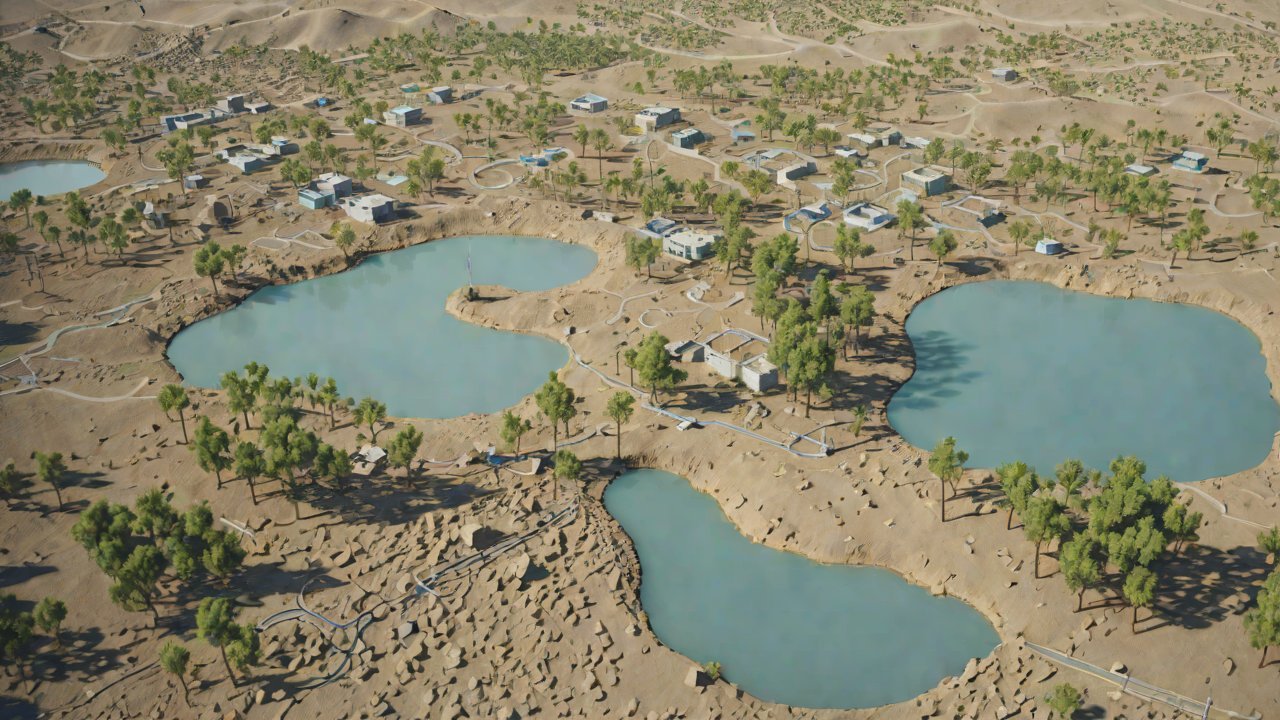
The arid expanses of desert landscapes have long been a challenge to agricultural endeavors, yet they also present an opportunity for innovative and sustainable farming practices. The concept of desert oasis agriculture has gained traction in recent years, with IoT technology playing a pivotal role in its development. By leveraging the power of interconnected devices and data-driven insights, farmers can optimize crop yields, reduce water consumption, and create thriving ecosystems amidst the harsh conditions.
1. The Evolution of Desert Oasis Agriculture
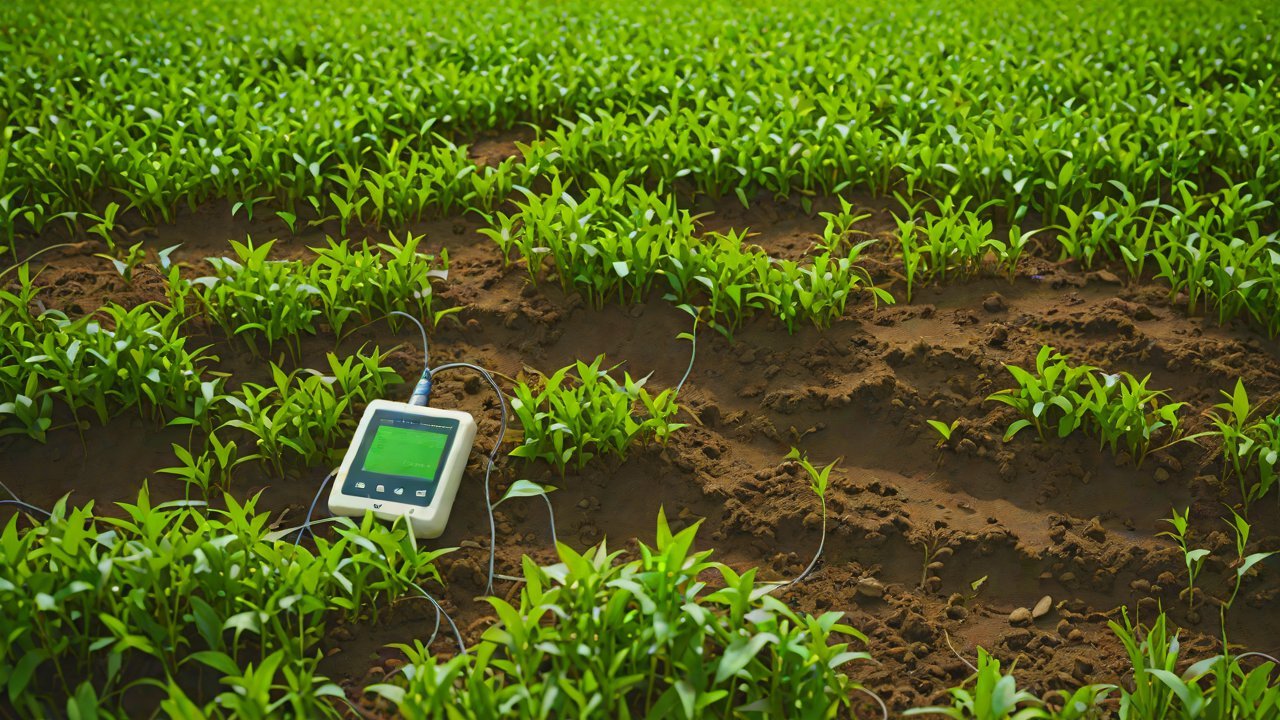
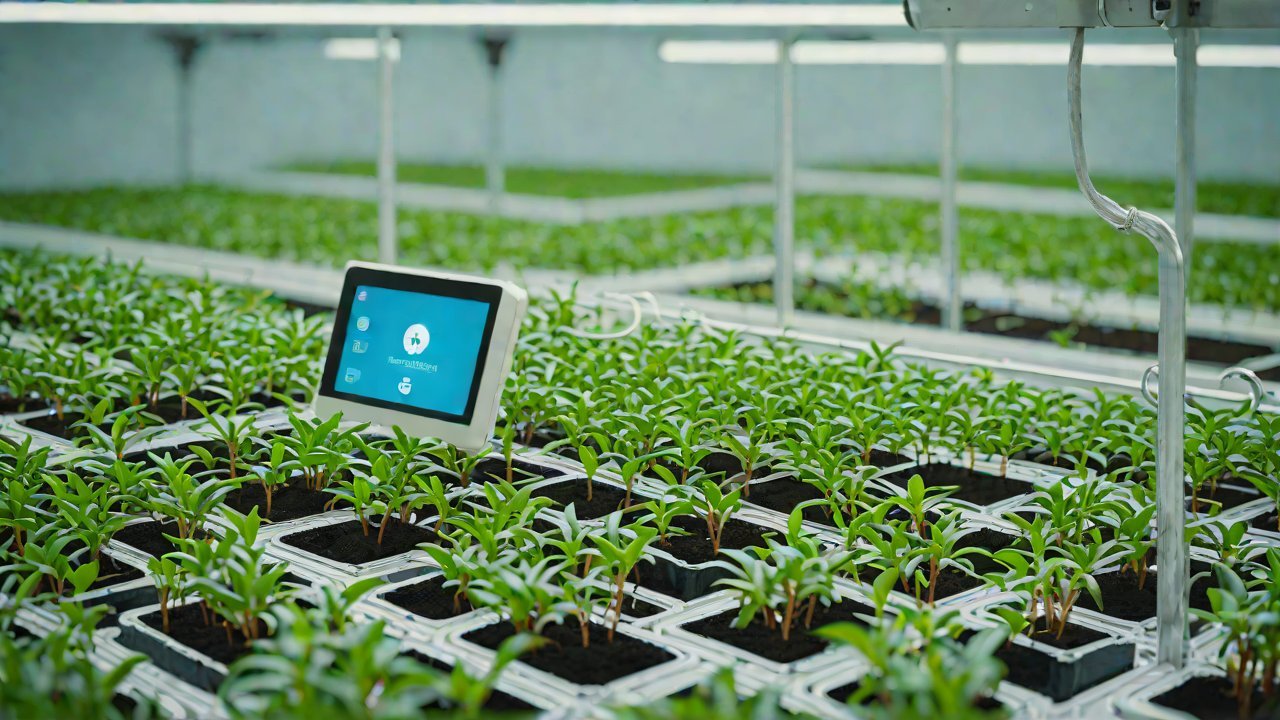
Traditional desert oasis agriculture has relied on manual labor, rainfall, and limited irrigation systems to sustain crops. However, with the advent of IoT technology, farming practices are undergoing a significant transformation. The integration of sensors, drones, and data analytics is enabling farmers to monitor soil moisture levels, temperature fluctuations, and crop health in real-time.
| Key Features | Traditional Methods | IoT-enabled Desert Oasis Agriculture |
|---|---|---|
| Water Management | Manual irrigation systems | Soil moisture sensing and automated irrigation |
| Crop Monitoring | Visual inspections | Sensor-based monitoring and predictive analytics |
2. The Role of IoT in Optimizing Crop Yields
One of the primary challenges facing desert oasis agriculture is ensuring optimal crop yields despite limited water resources. IoT technology addresses this issue by providing real-time data on soil conditions, temperature, and humidity levels. By analyzing these insights, farmers can adjust their irrigation schedules, fertilization plans, and pest management strategies to maximize crop growth.
| Crop Yield Optimization Strategies | Benefits |
|---|---|
| Data-driven decision-making | Improved crop yields (10-20%) |
| Automated irrigation systems | Reduced water consumption (15-25%) |
| Precision agriculture | Increased efficiency (20-30%) |
3. The Impact of IoT on Water Conservation
Water scarcity is a pressing concern in desert oasis agriculture, and IoT technology offers a solution by promoting efficient use of this precious resource. By monitoring soil moisture levels and detecting anomalies, farmers can reduce water waste and optimize irrigation schedules.
| IoT-enabled Water Conservation Strategies | Benefits |
|---|---|
| Real-time soil moisture sensing | Reduced water consumption (20-30%) |
| Automated irrigation systems | Minimized water waste (15-25%) |
| Predictive analytics for weather forecasting | Improved crop planning and decision-making |
4. The Integration of Drones in Desert Oasis Agriculture
Drones equipped with high-resolution cameras, sensors, and GPS technology are revolutionizing desert oasis agriculture by providing aerial insights into farm conditions. By leveraging drone-based data collection, farmers can monitor crop health, detect pests and diseases, and optimize resource allocation.
| Drone-enabled Farm Monitoring | Benefits |
|---|---|
| Aerial imaging for crop monitoring | Improved crop yields (10-20%) |
| Soil analysis and mapping | Enhanced decision-making (15-25%) |
| Automated data collection and analytics | Increased efficiency (20-30%) |
5. The Importance of Data Analytics in Desert Oasis Agriculture
Data analytics plays a critical role in desert oasis agriculture by providing insights into farm performance, crop yields, and resource allocation. By leveraging IoT-generated data and machine learning algorithms, farmers can identify trends, predict outcomes, and make informed decisions.
| Key Benefits of Data Analytics | Benefits |
|---|---|
| Predictive analytics for weather forecasting | Improved crop planning and decision-making (15-25%) |
| Real-time monitoring and alerts | Enhanced efficiency and reduced waste (20-30%) |
| Data-driven decision-making | Increased crop yields (10-20%) |
6. The Economic Viability of IoT-enabled Desert Oasis Agriculture
While the adoption of IoT technology in desert oasis agriculture may require significant upfront investments, its long-term benefits far outweigh the costs. By optimizing resource allocation, reducing water consumption, and increasing crop yields, farmers can improve their bottom line and contribute to a more sustainable food system.
| Economic Benefits | Estimated Returns |
|---|---|
| Increased crop yields (10-20%) | $100-$200 per acre |
| Reduced water consumption (15-25%) | $50-$150 per acre |
| Improved efficiency (20-30%) | $500-$1,000 per acre |
7. Conclusion
The integration of IoT technology in desert oasis agriculture has the potential to transform traditional farming practices and create thriving ecosystems amidst harsh conditions. By leveraging real-time data insights, automated systems, and predictive analytics, farmers can optimize crop yields, reduce water consumption, and improve resource allocation. As the world grapples with the challenges of climate change, food security, and sustainable development, IoT-enabled desert oasis agriculture presents a compelling solution for a brighter future.
IOT Cloud Platform
IOT Cloud Platform is an IoT portal established by a Chinese IoT company, focusing on technical solutions in the fields of agricultural IoT, industrial IoT, medical IoT, security IoT, military IoT, meteorological IoT, consumer IoT, automotive IoT, commercial IoT, infrastructure IoT, smart warehousing and logistics, smart home, smart city, smart healthcare, smart lighting, etc.
The IoT Cloud Platform blog is a top IoT technology stack, providing technical knowledge on IoT, robotics, artificial intelligence (generative artificial intelligence AIGC), edge computing, AR/VR, cloud computing, quantum computing, blockchain, smart surveillance cameras, drones, RFID tags, gateways, GPS, 3D printing, 4D printing, autonomous driving, etc.