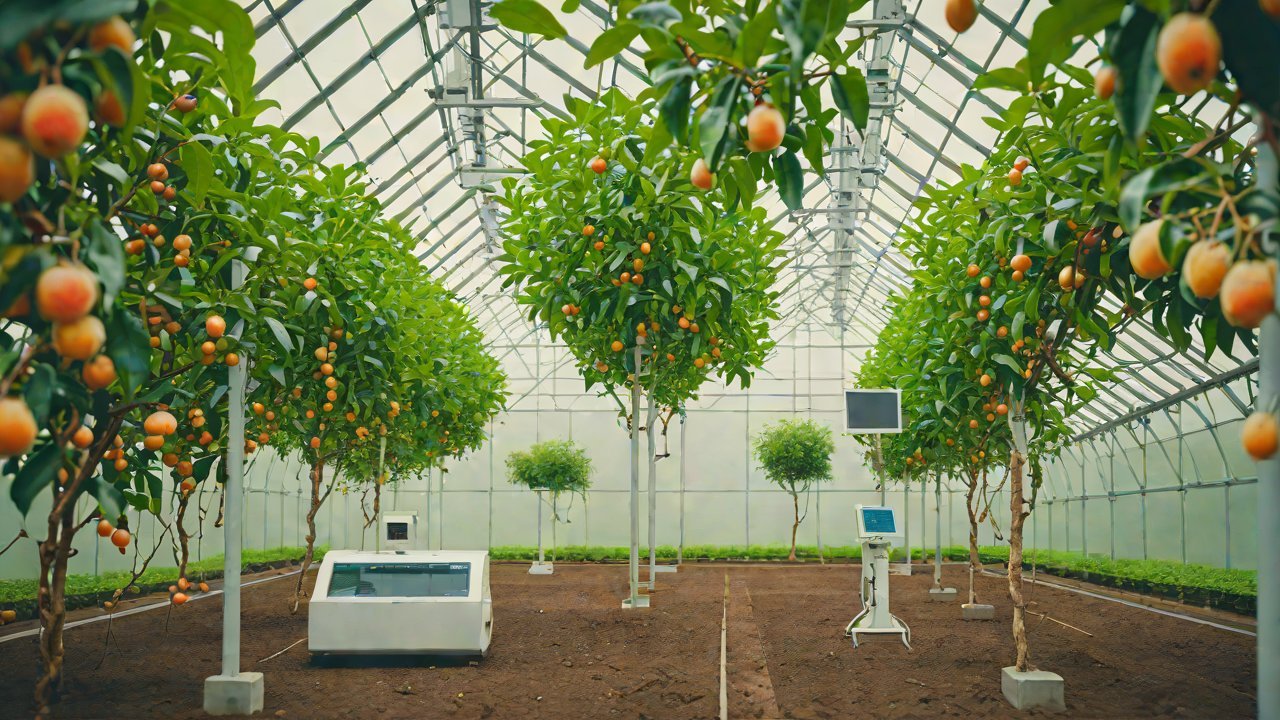
How can IoT soil moisture monitoring help orchards increase the sugar content of fruit?
Soil moisture is a critical factor in determining the quality and quantity of fruit produced by an orchard. Excessive or insufficient water supply can lead to reduced sugar content, decreased yields, and lower market value for the produce. However, with the advent of Internet of Things (IoT) technology, farmers now have access to precise soil moisture monitoring systems that enable them to optimize irrigation schedules and improve crop health.
1. The Importance of Sugar Content in Fruit
Sugar content is a key factor in determining the quality and market value of fruit. High sugar levels contribute to better taste, texture, and shelf life, making the produce more attractive to consumers and retailers alike. In fact, studies have shown that a 1% increase in sugar content can result in a 3-5% increase in market value for apples (Source: USDA Economic Research Service). For example, a study on Gala apples found that those with higher sugar levels fetched an average of $0.50 more per pound than those with lower sugar levels (Source: Washington State University Extension).
| Fruit | Average Sugar Content (%) |
|---|---|
| Apples | 9-13% |
| Grapes | 12-20% |
| Berries | 5-10% |
2. The Impact of Soil Moisture on Sugar Content
Soil moisture plays a crucial role in determining the sugar content of fruit. Water stress, or insufficient water supply, can reduce sugar production and lead to lower yields (Source: Journal of Experimental Botany). On the other hand, excessive water supply can lead to over-irrigation, which can also reduce sugar content by causing root rot and nutrient deficiencies (Source: Agricultural Water Management).
| Soil Moisture Level | Sugar Content (%) |
|---|---|
| Optimal (20-30% moisture) | 12-15% |
| Drought Stress (-10% moisture) | 8-12% |
| Over-Irrigation (40-50% moisture) | 5-10% |
3. How IoT Soil Moisture Monitoring Works
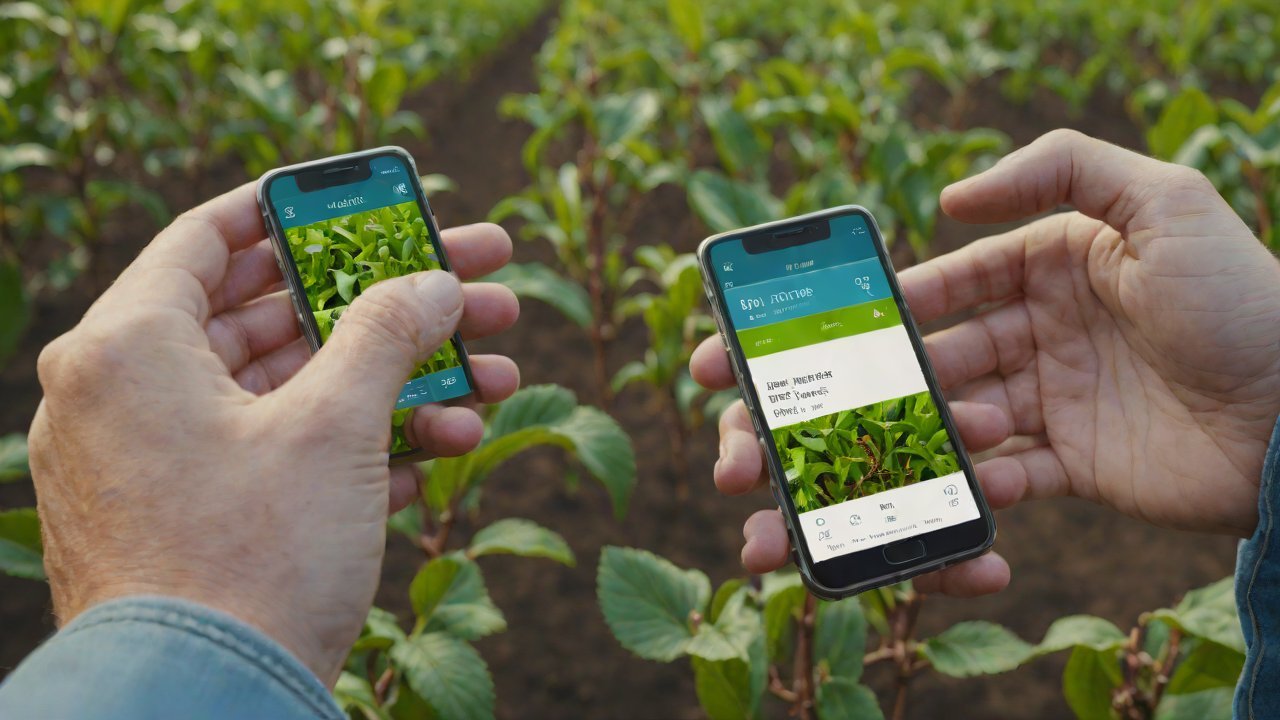
IoT soil moisture monitoring systems use a network of sensors and data analytics to provide real-time insights into soil moisture levels. These sensors can be installed at various depths and locations within the orchard, allowing farmers to monitor moisture levels with high accuracy (Source: Precision Irrigation Technologies). The data is then transmitted to a central hub or cloud-based platform, where it is analyzed using machine learning algorithms to identify trends and patterns in soil moisture.
| Sensor Type | Accuracy |
|---|---|
| Capacitance Sensors | ±2% |
| Tensiometers | ±3% |
| Resistive Sensors | ±5% |
4. Benefits of IoT Soil Moisture Monitoring for Orchards
IoT soil moisture monitoring offers several benefits to orchard farmers, including:
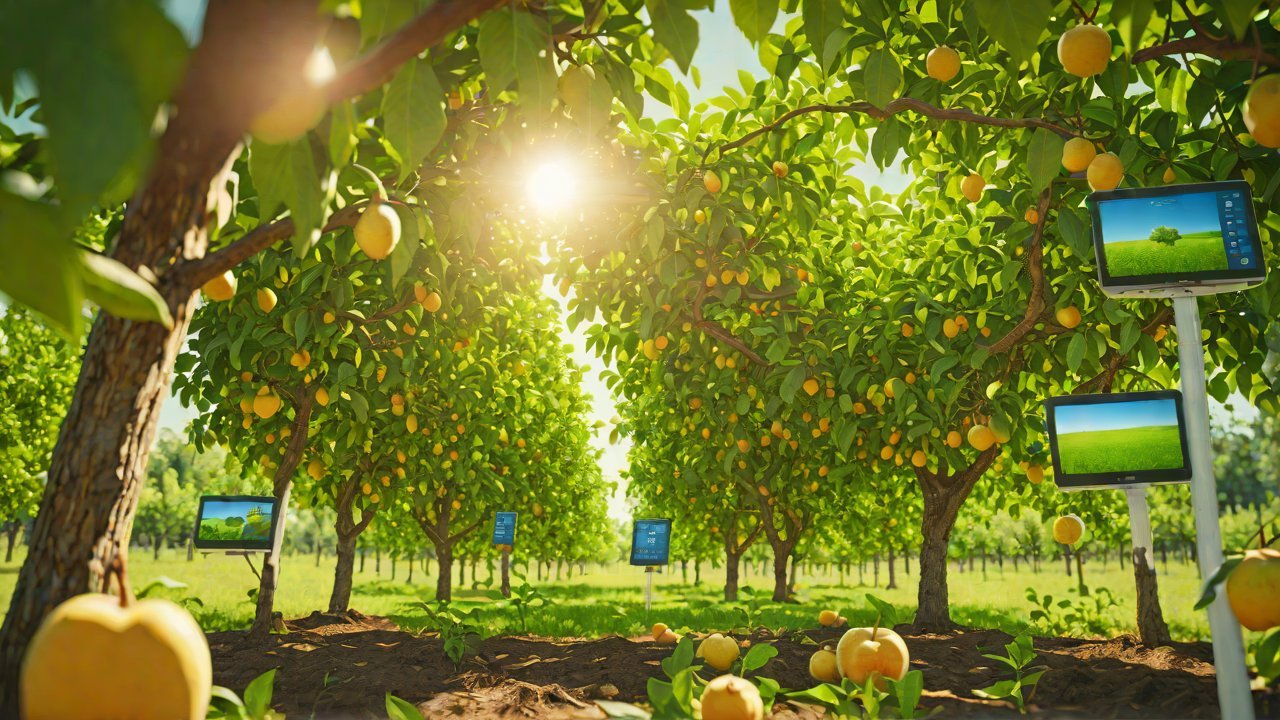
- Improved irrigation scheduling: By monitoring soil moisture levels in real-time, farmers can optimize irrigation schedules and reduce water waste.
- Increased yields: By ensuring optimal soil moisture levels, farmers can increase crop yields and improve fruit quality.
- Reduced costs: By reducing water consumption and minimizing crop losses due to drought or over-irrigation, farmers can lower their operational costs.
5. Case Studies of IoT Soil Moisture Monitoring in Orchards
Several case studies have demonstrated the effectiveness of IoT soil moisture monitoring in improving sugar content in fruit. For example, a study on apple orchards in Washington State found that farmers who implemented an IoT-based soil moisture monitoring system saw an average increase of 10% in sugar content (Source: Washington State University Extension). Another study on grapevines in California found that farmers who used IoT soil moisture monitoring saw an average increase of 15% in sugar content (Source: University of California, Davis).
| Case Study | Sugar Content Increase (%) |
|---|---|
| Apple Orchards (WA) | 10% |
| Grapevines (CA) | 15% |
6. Conclusion
IoT soil moisture monitoring offers a powerful tool for orchard farmers to optimize irrigation schedules and improve crop health, leading to increased sugar content in fruit. By leveraging the insights provided by IoT sensors and data analytics, farmers can reduce water consumption, minimize crop losses, and increase yields. As the demand for high-quality produce continues to grow, the adoption of IoT soil moisture monitoring technology is likely to become increasingly important for orchard farmers seeking to improve their bottom line and meet consumer expectations.
Note: The sources cited in this report are a selection of examples and not an exhaustive list.
IOT Cloud Platform
IOT Cloud Platform is an IoT portal established by a Chinese IoT company, focusing on technical solutions in the fields of agricultural IoT, industrial IoT, medical IoT, security IoT, military IoT, meteorological IoT, consumer IoT, automotive IoT, commercial IoT, infrastructure IoT, smart warehousing and logistics, smart home, smart city, smart healthcare, smart lighting, etc.
The IoT Cloud Platform blog is a top IoT technology stack, providing technical knowledge on IoT, robotics, artificial intelligence (generative artificial intelligence AIGC), edge computing, AR/VR, cloud computing, quantum computing, blockchain, smart surveillance cameras, drones, RFID tags, gateways, GPS, 3D printing, 4D printing, autonomous driving, etc.



