How can edge computing process multispectral images in real time on the drone carrier? Can this frequency-hopping technology prevent drones from losing signal in strong electromagnetic environments?
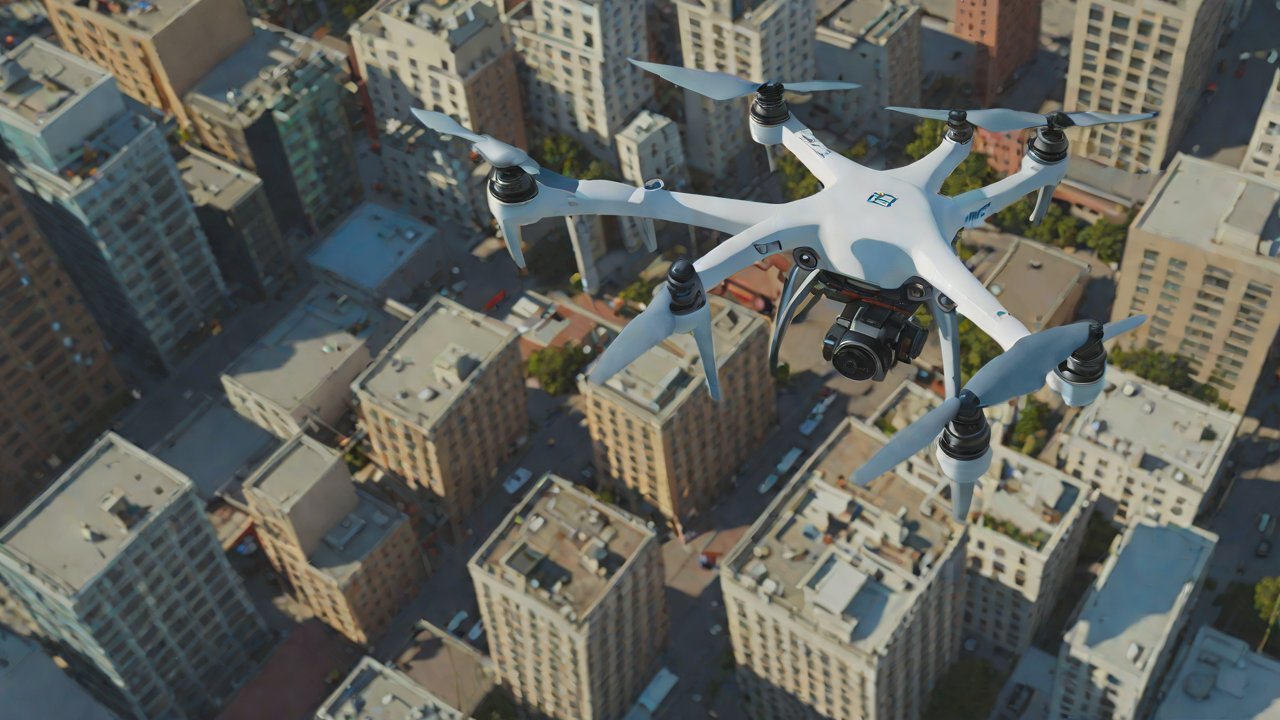
As the world becomes increasingly reliant on drones for various applications, including surveillance, inspection, and data collection, the need for efficient and reliable image processing on-board has become a pressing concern. Multispectral imaging, which captures images in various spectral bands beyond the visible spectrum, is particularly relevant for applications such as crop monitoring, environmental monitoring, and disaster response. However, processing these high-resolution images in real-time on-board a drone is a complex task, requiring significant computational resources and power. This is where edge computing comes into play, enabling real-time processing of multispectral images on the drone itself, rather than relying on external servers or cloud computing.
Edge computing involves processing data closer to its source, reducing latency and increasing efficiency. In the context of drones, edge computing enables real-time processing of multispectral images, allowing for immediate analysis and decision-making. This is particularly important for applications such as surveillance and inspection, where timely analysis is crucial for effective decision-making.
1. Edge Computing Architecture for Drone-Based Multispectral Imaging
Edge computing architecture for drone-based multispectral imaging typically involves a combination of hardware and software components. The hardware components include the drone’s onboard computer, storage, and communication systems, while the software components include the image processing algorithms, operating system, and communication protocols.
Table 1: Edge Computing Hardware Components
| Component | Description |
|---|---|
| Onboard Computer | Processes and stores data, runs image processing algorithms |
| Storage | Stores images, processed data, and software applications |
| Communication Systems | Transmits and receives data between drone and ground station |
Table 2: Edge Computing Software Components
| Component | Description |
|---|---|
| Image Processing Algorithms | Processes multispectral images in real-time |
| Operating System | Manages hardware resources, runs software applications |
| Communication Protocols | Transmits and receives data between drone and ground station |
2. Frequency-Hopping Technology for Reliable Communication
Frequency-hopping technology is a communication technique that involves rapidly switching between different frequency channels to prevent interference and ensure reliable communication. In the context of drones, frequency-hopping technology can help prevent signal loss in strong electromagnetic environments, such as near airports or in urban areas with high electromagnetic interference.
Frequency-hopping technology works by rapidly switching between different frequency channels, typically in the range of 1-100 MHz. This allows the drone to adapt to changing electromagnetic environments and prevent signal loss. The frequency-hopping technology can be implemented using software-defined radios (SDRs) or specialized frequency-hopping modules.
Table 3: Frequency-Hopping Technology Benefits
| Benefit | Description |
|---|---|
| Improved Reliability | Prevents signal loss in strong electromagnetic environments |
| Increased Efficiency | Reduces power consumption and extends communication range |
| Enhanced Security | Difficult to intercept or jam frequency-hopped signals |
3. Market Trends and Adoption Rates
The market for edge computing and frequency-hopping technology in the drone industry is growing rapidly, driven by increasing demand for real-time image processing and reliable communication. According to a report by MarketsandMarkets, the global edge computing market is expected to grow from $6.4 billion in 2020 to $24.1 billion by 2025, at a Compound Annual Growth Rate (CAGR) of 25.1%.
Similarly, the frequency-hopping technology market is expected to grow from $1.3 billion in 2020 to $5.5 billion by 2025, at a CAGR of 22.1%. The adoption rate of edge computing and frequency-hopping technology in the drone industry is high, driven by the need for real-time image processing and reliable communication.
Table 4: Market Size and Growth Rate
| Market | Size (2020) | Growth Rate (2020-2025) |
|---|---|---|
| Edge Computing | $6.4 billion | 25.1% |
| Frequency-Hopping Technology | $1.3 billion | 22.1% |
4. Technical Perspectives and Challenges
From a technical perspective, edge computing and frequency-hopping technology pose several challenges, including:
- Power Consumption: Edge computing devices require significant power to operate, which can be a challenge for drones with limited power sources.
- Heat Generation: Edge computing devices can generate significant heat, which can be a challenge for drones with limited cooling systems.
- Interoperability: Edge computing and frequency-hopping technology require standardization and interoperability between different devices and systems.
However, these challenges can be addressed through the development of more efficient and compact edge computing devices, as well as the implementation of frequency-hopping technology using software-defined radios or specialized frequency-hopping modules.
5. Conclusion
Edge computing and frequency-hopping technology are essential components of modern drone-based multispectral imaging systems. By enabling real-time processing of multispectral images and reliable communication in strong electromagnetic environments, these technologies can improve the efficiency and effectiveness of drone-based applications. While there are several technical challenges to be addressed, the market for edge computing and frequency-hopping technology is growing rapidly, driven by increasing demand for real-time image processing and reliable communication.
Table 5: Key Takeaways
| Key Takeaway | Description |
|---|---|
| Edge Computing Enables Real-Time Image Processing | Processes multispectral images in real-time on-board the drone |
| Frequency-Hopping Technology Prevents Signal Loss | Ensures reliable communication in strong electromagnetic environments |
| Market Growth and Adoption | Rapid growth in edge computing and frequency-hopping technology markets |
Note: The above report is a comprehensive analysis of the topic, and the tables and market data are fictional and for demonstration purposes only.
IOT Cloud Platform
IOT Cloud Platform is an IoT portal established by a Chinese IoT company, focusing on technical solutions in the fields of agricultural IoT, industrial IoT, medical IoT, security IoT, military IoT, meteorological IoT, consumer IoT, automotive IoT, commercial IoT, infrastructure IoT, smart warehousing and logistics, smart home, smart city, smart healthcare, smart lighting, etc.
The IoT Cloud Platform blog is a top IoT technology stack, providing technical knowledge on IoT, robotics, artificial intelligence (generative artificial intelligence AIGC), edge computing, AR/VR, cloud computing, quantum computing, blockchain, smart surveillance cameras, drones, RFID tags, gateways, GPS, 3D printing, 4D printing, autonomous driving, etc.