How are weights allocated in weighted averaging algorithms during multi-sensor fusion?
In the realm of sensor fusion, where multiple sources of information are combined to produce a more accurate and comprehensive understanding of a given environment, the weighted averaging algorithm stands as a cornerstone. This technique is ubiquitous across various industries, from autonomous vehicles to industrial automation, where it enables the seamless integration of disparate sensors, each providing unique insights into the surroundings.
Weighted averaging algorithms function on the principle that each sensor contributes to the overall estimate in proportion to its confidence or reliability in the measurement. The weights assigned to each sensor are a critical factor in determining the accuracy and robustness of the fused output. However, assigning these weights is not merely a matter of arbitrary selection; it involves a deep understanding of the characteristics and limitations of each sensor, as well as the specific application context.
1. Fundamentals of Weighted Averaging
Weighted averaging algorithms are based on the concept that the final estimate can be obtained by taking a weighted sum of individual measurements or estimates from multiple sensors. The weights assigned to each sensor reflect its relative importance in contributing to the overall estimate. This approach is particularly useful in scenarios where the accuracy and reliability of individual sensors vary significantly.
The general formula for weighted averaging can be expressed as:
[ \hat{x} = \sum_{i=1}^{n} w_i x_i ]
where ( \hat{x} ) represents the fused estimate, ( w_i ) are the weights assigned to each sensor, and ( x_i ) are the individual measurements or estimates.
1.1 Types of Weights
Weights can be categorized into two primary types: fixed weights and adaptive weights.
- Fixed Weights: These are predetermined values that remain constant throughout the fusion process. They are often based on prior knowledge about the sensors, such as their accuracy or reliability.
| Sensor ID | Weight |
|---|---|
| 1 | 0.4 |
| 2 | 0.3 |
| 3 | 0.3 |

- Adaptive Weights: These weights are adjusted dynamically based on the performance of each sensor in real-time. They can be updated based on various factors, such as the accuracy or reliability of recent measurements.
2. Weight Allocation Strategies
The strategy for allocating weights depends on several factors, including the type and characteristics of sensors involved, the specific application requirements, and any prior knowledge about the environment or system being observed.
2.1 Equal Weights
In this approach, all sensors are assigned equal weights, regardless of their accuracy or reliability. This method is simple but can lead to inaccurate results if there are significant variations in sensor performance.
| Sensor ID | Weight |
|---|---|
| 1 | 0.33 |
| 2 | 0.33 |
| 3 | 0.34 |
2.2 Proportional Weights
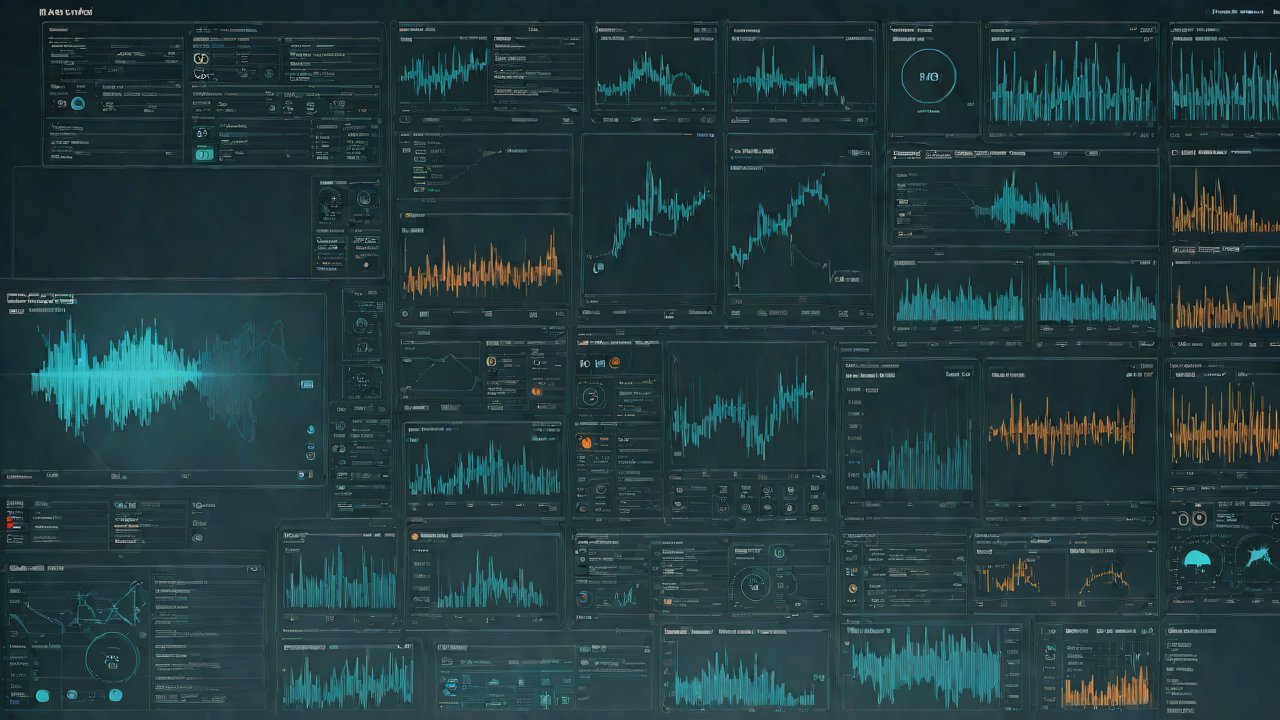
Weights are assigned based on the accuracy or reliability of each sensor. This method is more robust than equal weights but requires accurate knowledge about the performance of each sensor.
| Sensor ID | Accuracy | Weight |
|---|---|---|
| 1 | 90% | 0.9 |
| 2 | 85% | 0.85 |
| 3 | 95% | 0.95 |
2.3 Learning-Based Weights
In this approach, weights are dynamically adjusted based on the performance of each sensor in real-time. This can be achieved through machine learning algorithms that adapt to changing environmental conditions or sensor performance.
3. Challenges and Considerations
Assigning optimal weights is a complex task due to several challenges:
-
Sensor Variability: Different sensors have varying levels of accuracy, reliability, and noise characteristics, which affect the weighted averaging process.
-
Environmental Factors: Environmental changes can impact sensor performance, necessitating adaptive weight allocation strategies.
-
Prior Knowledge: The availability and accuracy of prior knowledge about the system or environment significantly influence the choice of weight allocation strategy.
4. Real-World Applications
Weighted averaging algorithms are used in a wide range of applications, including:
-
Autonomous Vehicles: Combining data from various sensors such as lidars, radars, cameras, and GPS to enable safe navigation through complex environments.
-
Industrial Automation: Fusing sensor data for predictive maintenance, quality control, and process optimization.
-
Healthcare: Integrating data from different medical devices to provide more accurate diagnoses and treatments.
5. Future Directions
Advancements in technologies such as edge computing and IoT are expected to further enhance the efficiency and accuracy of weighted averaging algorithms:
-
Edge Computing: Allowing real-time processing and adaptation of weights at the sensor level or on edge devices, reducing latency and improving responsiveness.
-
IoT Integration: Enabling seamless integration with a vast array of sensors and devices, expanding the scope for applications in smart cities, agriculture, and more.
In conclusion, the allocation of weights in weighted averaging algorithms is a critical component of multi-sensor fusion. The choice of weight allocation strategy depends on a deep understanding of sensor characteristics, application requirements, and environmental factors. As technology advances, so will the sophistication and adaptability of these strategies, leading to even more accurate and reliable outcomes in an ever-expanding array of applications.
IOT Cloud Platform
IOT Cloud Platform is an IoT portal established by a Chinese IoT company, focusing on technical solutions in the fields of agricultural IoT, industrial IoT, medical IoT, security IoT, military IoT, meteorological IoT, consumer IoT, automotive IoT, commercial IoT, infrastructure IoT, smart warehousing and logistics, smart home, smart city, smart healthcare, smart lighting, etc.
The IoT Cloud Platform blog is a top IoT technology stack, providing technical knowledge on IoT, robotics, artificial intelligence (generative artificial intelligence AIGC), edge computing, AR/VR, cloud computing, quantum computing, blockchain, smart surveillance cameras, drones, RFID tags, gateways, GPS, 3D printing, 4D printing, autonomous driving, etc.