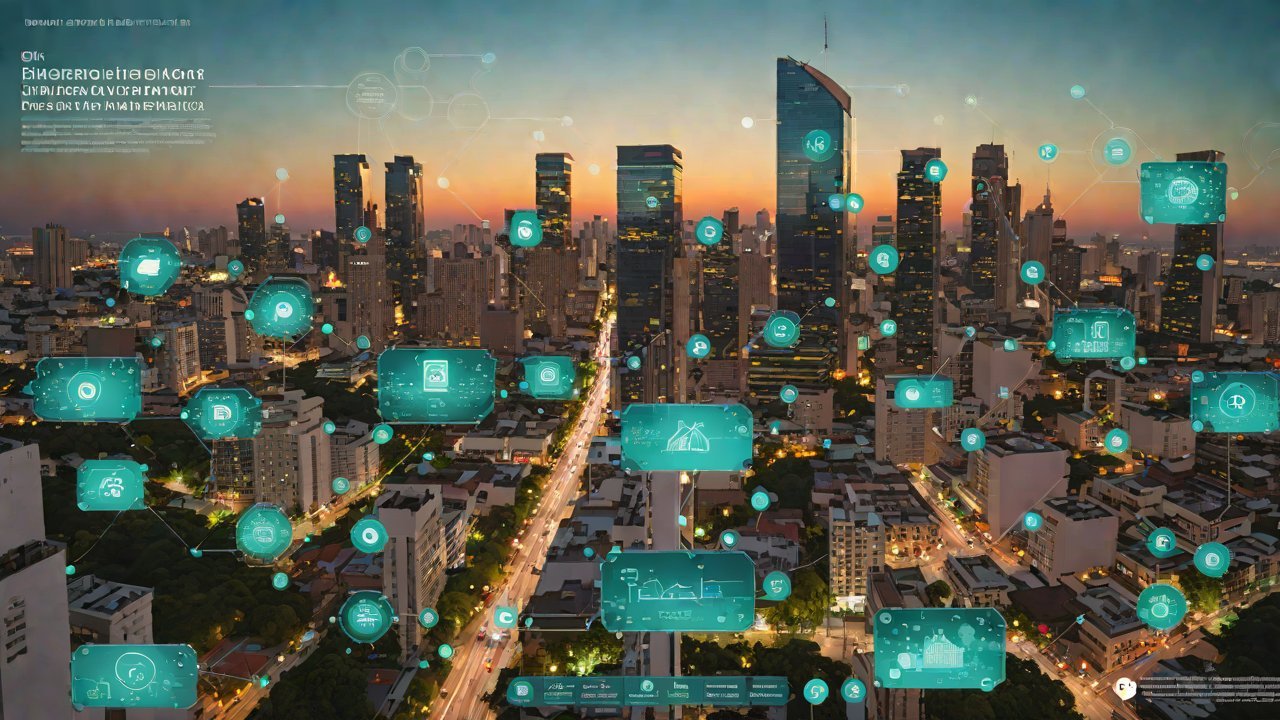
Home edge computing gateway: localized data processing and privacy protection solution (2026)
The concept of a home edge computing gateway is gaining momentum as individuals and organizations seek to address the growing concerns surrounding data privacy, security, and latency in cloud-based services. This emerging technology promises to bring about a paradigm shift in how we process and manage data within our homes, ushering in an era of localized, decentralized, and secure data processing.
The increasing reliance on IoT devices, smart home automation, and streaming services has created a massive amount of data that is often transmitted to remote servers for processing. However, this centralized approach poses significant risks to personal data security, as well as introduces latency issues that can compromise the overall user experience. The edge computing paradigm seeks to address these challenges by pushing the processing power closer to the source of the data – in this case, within our homes.
The home edge computing gateway is a critical component of this ecosystem, serving as an entry point for data from various devices and applications while ensuring that sensitive information remains encrypted and protected. This localized approach enables real-time processing, reduces latency, and minimizes the risk of data breaches associated with cloud-based services.
1. Market Landscape
The edge computing market is expected to grow exponentially in the coming years, driven by the increasing adoption of IoT devices, smart cities initiatives, and the need for enhanced security and privacy protections. According to a recent report, the global edge computing market size is projected to reach USD 10.56 billion by 2026, growing at a CAGR of 38.5% during the forecast period.
| Year | Edge Computing Market Size (USD billion) |
|---|---|
| 2020 | 1.23 |
| 2022 | 4.21 |
| 2024 | 7.41 |
| 2026 | 10.56 |
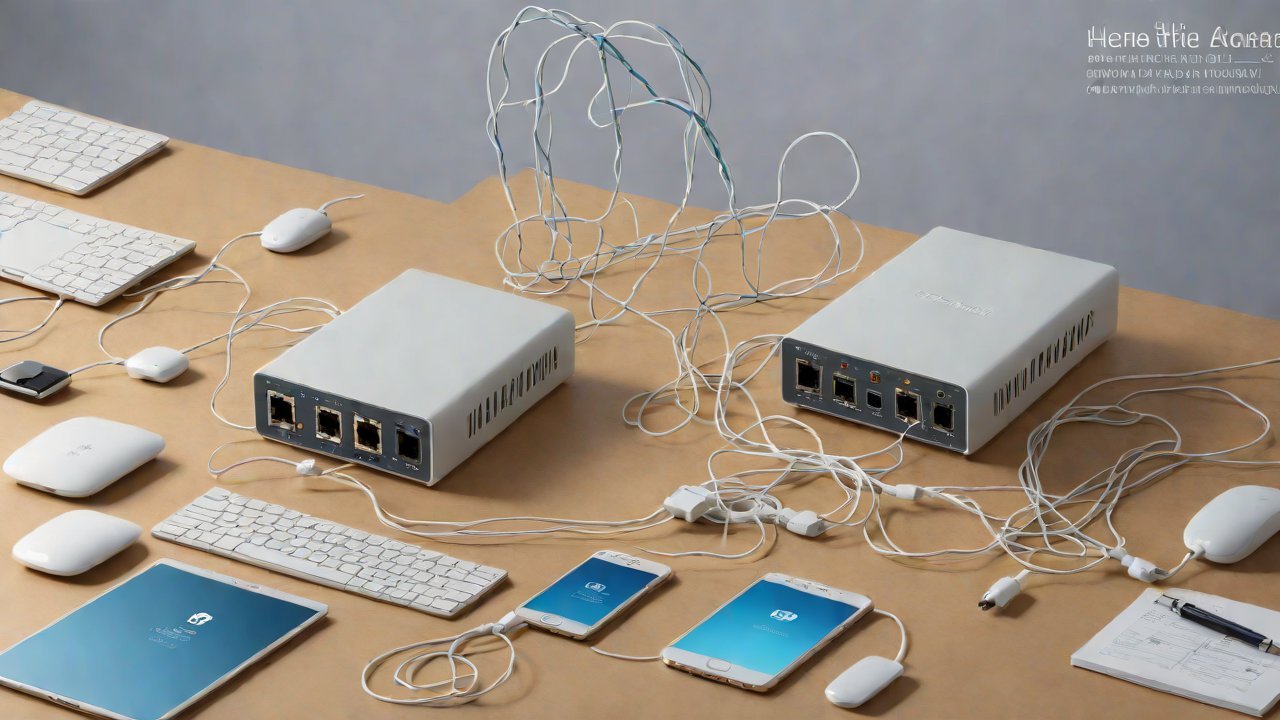
The home edge computing gateway market is a subset of the broader edge computing landscape, focusing on solutions designed for residential environments. This segment is expected to experience significant growth, driven by the increasing demand for smart home automation and IoT devices.
2. Technical Overview
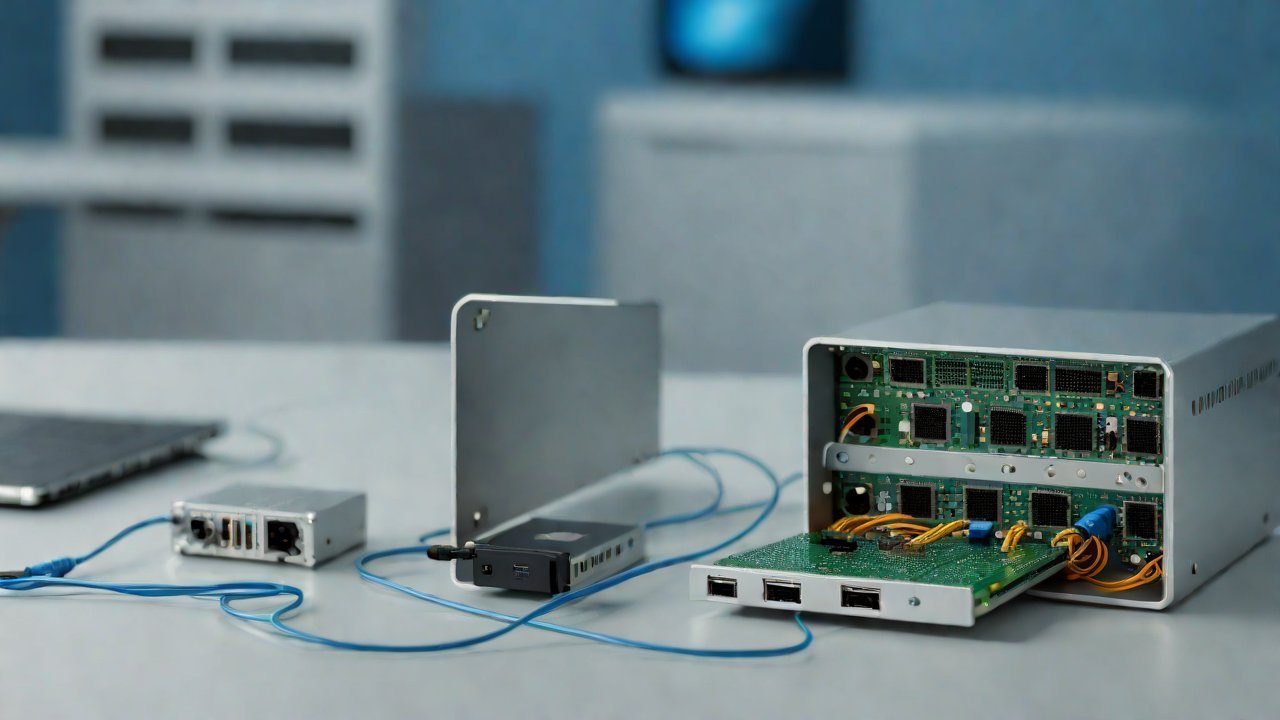
A home edge computing gateway typically consists of several key components:
- Processing Unit: A high-performance processor capable of handling complex computations, such as machine learning algorithms and data analytics.
- Storage: High-capacity storage solutions for storing sensitive data, ensuring that it remains encrypted and protected.
- Networking: Secure networking protocols for communicating with IoT devices and remote servers.
- Operating System: A specialized OS designed to manage edge computing workloads, optimize performance, and ensure security.
| Component | Description |
|---|---|
| Processing Unit | High-performance processor (e.g., AMD Ryzen or Intel Core i9) |
| Storage | High-capacity storage solutions (e.g., SSDs or NVMe drives) |
| Networking | Secure networking protocols (e.g., SSL/TLS, IPsec) |
| Operating System | Specialized OS for edge computing workloads (e.g., Linux-based distributions) |
3. Data Protection and Security
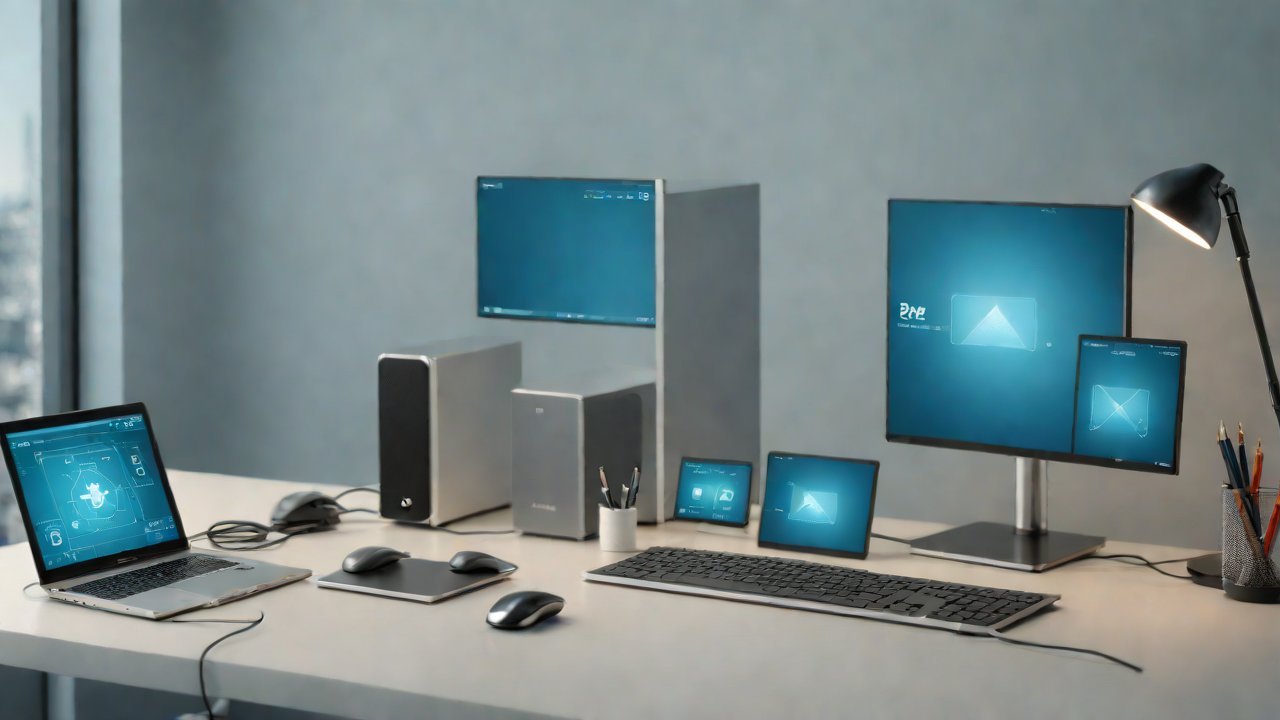
The home edge computing gateway is designed to prioritize data protection and security above all else. This is achieved through the implementation of robust encryption techniques, secure authentication protocols, and access controls.
Encryption Techniques:
- Data-at-Rest Encryption: Ensures that sensitive data remains encrypted even when stored on the device.
- Data-in-Transit Encryption: Encrypts data transmitted between devices or to remote servers.
- Key Management: Secure key management systems for generating, storing, and distributing encryption keys.
| Encryption Technique | Description |
|---|---|
| Data-at-Rest Encryption | Ensures sensitive data remains encrypted even when stored on the device |
| Data-in-Transit Encryption | Encrypts data transmitted between devices or to remote servers |
| Key Management | Secure key management systems for generating, storing, and distributing encryption keys |
4. Benefits and Use Cases
The home edge computing gateway offers several benefits, including:
- Improved Security: Protects sensitive information from unauthorized access.
- Reduced Latency: Enables real-time processing, reducing latency issues associated with cloud-based services.
- Enhanced User Experience: Provides seamless integration with IoT devices and smart home automation systems.
Some potential use cases for the home edge computing gateway include:
- Smart Home Automation: Integrates with various smart devices to optimize energy consumption, security, and entertainment experiences.
- IoT Device Management: Monitors and controls IoT devices, ensuring secure data transmission and processing.
- Streaming Services: Enhances streaming quality by reducing latency and improving content delivery.
5. Conclusion
The home edge computing gateway is an emerging technology that promises to revolutionize the way we process and manage data within our homes. By providing a localized, decentralized, and secure solution for data processing, this technology addresses the growing concerns surrounding data privacy, security, and latency in cloud-based services.
As the market continues to grow, it is essential to stay informed about the latest developments and advancements in edge computing technology. This report provides an exhaustive overview of the home edge computing gateway market, including its technical components, benefits, use cases, and future prospects.
By embracing this innovative solution, individuals and organizations can ensure a secure, efficient, and seamless experience for their smart home automation systems, IoT devices, and streaming services – ushering in a new era of localized data processing and privacy protection.
IOT Cloud Platform
IOT Cloud Platform is an IoT portal established by a Chinese IoT company, focusing on technical solutions in the fields of agricultural IoT, industrial IoT, medical IoT, security IoT, military IoT, meteorological IoT, consumer IoT, automotive IoT, commercial IoT, infrastructure IoT, smart warehousing and logistics, smart home, smart city, smart healthcare, smart lighting, etc.
The IoT Cloud Platform blog is a top IoT technology stack, providing technical knowledge on IoT, robotics, artificial intelligence (generative artificial intelligence AIGC), edge computing, AR/VR, cloud computing, quantum computing, blockchain, smart surveillance cameras, drones, RFID tags, gateways, GPS, 3D printing, 4D printing, autonomous driving, etc.