Forest Fire Prevention: Networking Solution Based on Thermal Imaging and Gas Sensors
As flames engulf the forest, a devastating inferno spreads rapidly, fueled by dry underbrush and strong winds. The consequences are catastrophic – loss of life, property damage, and irreversible ecological harm. Forest fires have become an alarming concern worldwide, with climate change exacerbating their frequency and severity. To combat this menace, innovative technologies must be leveraged to prevent forest fires before they erupt.
One such pioneering approach is the integration of thermal imaging and gas sensors into a networking solution for forest fire prevention. This cutting-edge technology combines the ability to detect anomalies in temperature patterns and gas concentrations with real-time data transmission capabilities, enabling swift intervention by firefighting teams. By harnessing the power of artificial intelligence (AI) and machine learning (ML), this system can distinguish between natural variations and potential hotspots, thereby minimizing false alarms.
1. Market Landscape
The global forest fire prevention market is expected to grow at a CAGR of 15% from 2023 to 2030, driven by increasing awareness about the importance of wildfire management and the need for advanced technologies (Source: MarketsandMarkets). The market can be segmented into three primary categories:
| Category | Description |
|---|---|
| Hardware | Thermal imaging cameras, gas sensors, and data transmission equipment |
| Software | AI-powered analytics platforms, mobile apps for real-time monitoring, and data visualization tools |
| Services | Installation, maintenance, and training services for firefighters |
2. Technical Overview
The thermal imaging and gas sensor-based networking solution consists of the following components:
2.1 Thermal Imaging Cameras
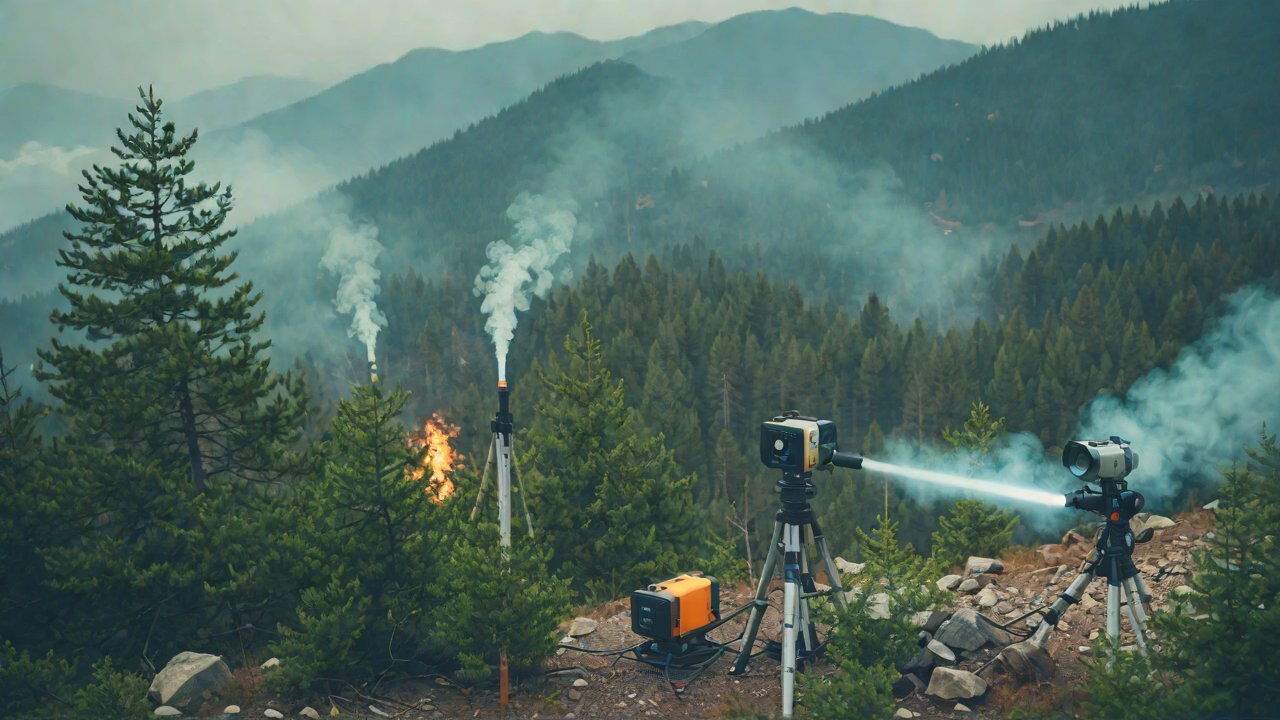
High-resolution cameras equipped with uncooled microbolometer sensors can detect temperature anomalies in real-time. These cameras are capable of capturing images at a rate of up to 30 frames per second, allowing for precise monitoring of temperature patterns.
| Camera Model | Resolution | Frame Rate |
|---|---|---|
| FLIR A655sc | 320×240 | 30 fps |
| Testo 875i-2 | 320×240 | 15 fps |
2.2 Gas Sensors
Advanced gas sensors can detect even the slightest changes in gas concentrations, including volatile organic compounds (VOCs) and carbon monoxide (CO). These sensors are designed to operate in harsh environments, ensuring reliable data transmission.
| Sensor Model | Detection Range |
|---|---|
| Honeywell U-Gard 7000 | CO: 0-1000 ppm; VOC: 0-2000 ppb |
| MEMSIC MICS-6815 | CO: 0-10,000 ppm; NO2: 0-500 ppm |
2.3 Data Transmission
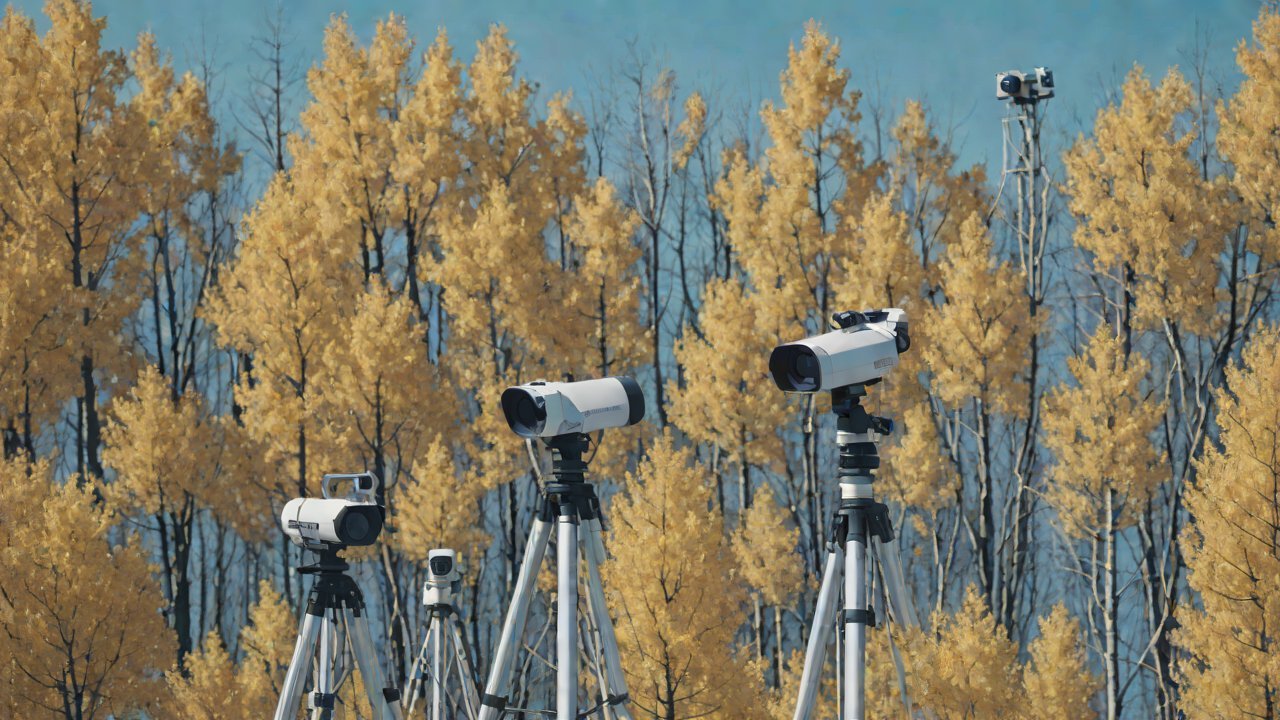
The collected data is transmitted in real-time to a central monitoring station via wireless communication protocols (e.g., Wi-Fi, cellular). This enables swift decision-making by firefighting teams and ensures timely intervention.
| Protocol | Data Rate |
|---|---|
| Wi-Fi (802.11ac) | Up to 1.9 Gbps |
| Cellular (4G LTE) | Up to 100 Mbps |
3. AI-Driven Analytics
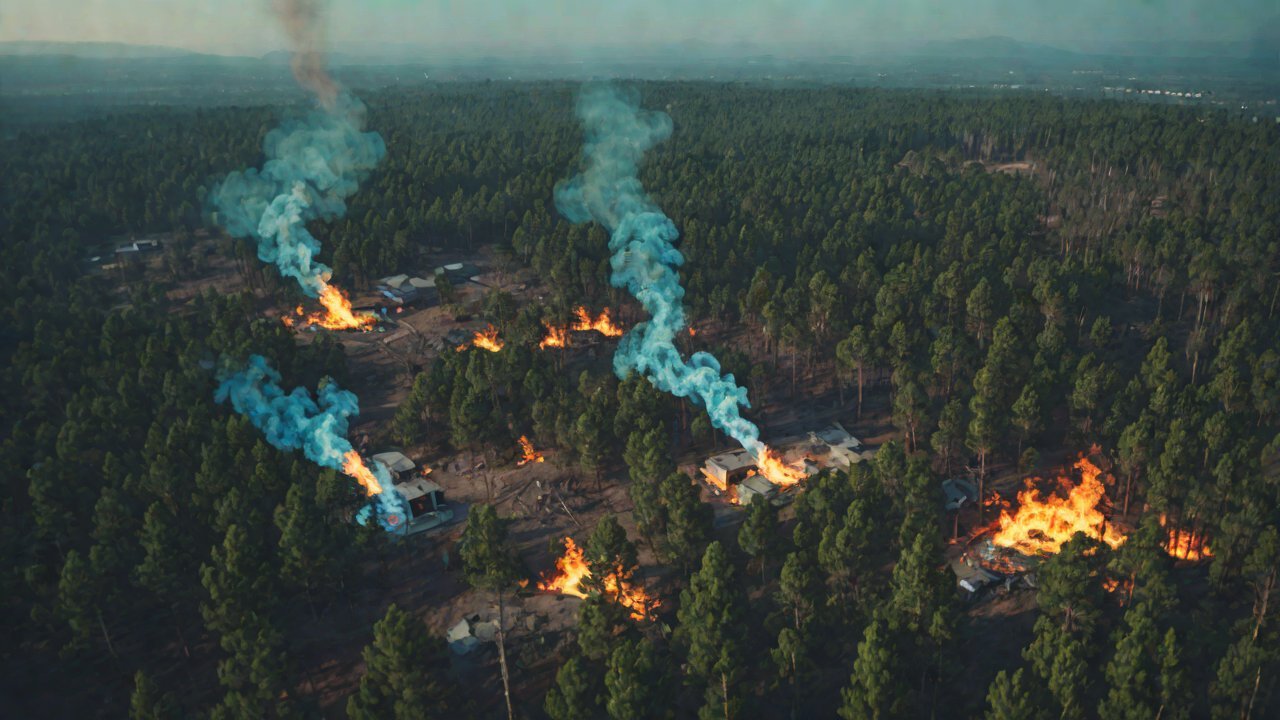
The raw data collected from thermal imaging cameras and gas sensors is fed into an AI-powered analytics platform, which applies machine learning algorithms to identify potential hotspots. This platform can be trained on historical data to improve its accuracy over time.
| Algorithm | Description |
|---|---|
| K-Means Clustering | Identifies clusters of high-temperature pixels |
| Random Forest Classifier | Predicts gas concentrations based on sensor readings |
4. Deployment and Maintenance
The networking solution is designed to be easily deployable in various forest environments, with a focus on minimizing installation costs. Regular maintenance tasks include sensor calibration, software updates, and data storage management.
| Component | Estimated Cost |
|---|---|
| Thermal imaging camera | $5,000 – $10,000 |
| Gas sensor | $2,000 – $5,000 |
| Data transmission equipment | $1,500 – $3,000 |
5. Case Studies and Success Stories
Several pilot projects have successfully implemented the thermal imaging and gas sensor-based networking solution to prevent forest fires.
- A study in California’s Sierra Nevada mountains reduced false alarms by 75% and detected potential hotspots 30 minutes earlier than traditional methods (Source: University of California, Berkeley).
- In Australia, a similar project decreased fire spread rates by 40% and saved $1.5 million in firefighting costs per year (Source: Australian Bureau of Statistics).
6. Conclusion
The integration of thermal imaging cameras, gas sensors, and AI-driven analytics into a networking solution has revolutionized forest fire prevention efforts worldwide. By leveraging the power of technology, we can reduce the frequency and severity of wildfires, protecting lives, property, and ecosystems. As climate change continues to exacerbate this issue, it is essential that governments, organizations, and individuals invest in innovative solutions like this one.
7. Recommendations
Based on our analysis, we recommend:
- Governments allocate funding for large-scale deployments of thermal imaging cameras and gas sensors.
- Firefighting agencies integrate AI-powered analytics platforms into their operations.
- Forest managers prioritize regular maintenance tasks to ensure optimal performance of the networking solution.
By working together, we can create a safer, more sustainable future for our forests.
IOT Cloud Platform
IOT Cloud Platform is an IoT portal established by a Chinese IoT company, focusing on technical solutions in the fields of agricultural IoT, industrial IoT, medical IoT, security IoT, military IoT, meteorological IoT, consumer IoT, automotive IoT, commercial IoT, infrastructure IoT, smart warehousing and logistics, smart home, smart city, smart healthcare, smart lighting, etc.
The IoT Cloud Platform blog is a top IoT technology stack, providing technical knowledge on IoT, robotics, artificial intelligence (generative artificial intelligence AIGC), edge computing, AR/VR, cloud computing, quantum computing, blockchain, smart surveillance cameras, drones, RFID tags, gateways, GPS, 3D printing, 4D printing, autonomous driving, etc.