Every fruit under machine vision: Will defective products disappear forever?
The era of precision agriculture has dawned upon us, where cutting-edge technologies like computer vision and artificial intelligence are being leveraged to revolutionize farming practices worldwide. Among the numerous applications of these innovations is the use of machine vision for detecting defects in fruits. This report delves into the realm of machine vision-based fruit inspection, exploring its potential to eradicate defective products from the market.
1. The Problem of Defective Fruits
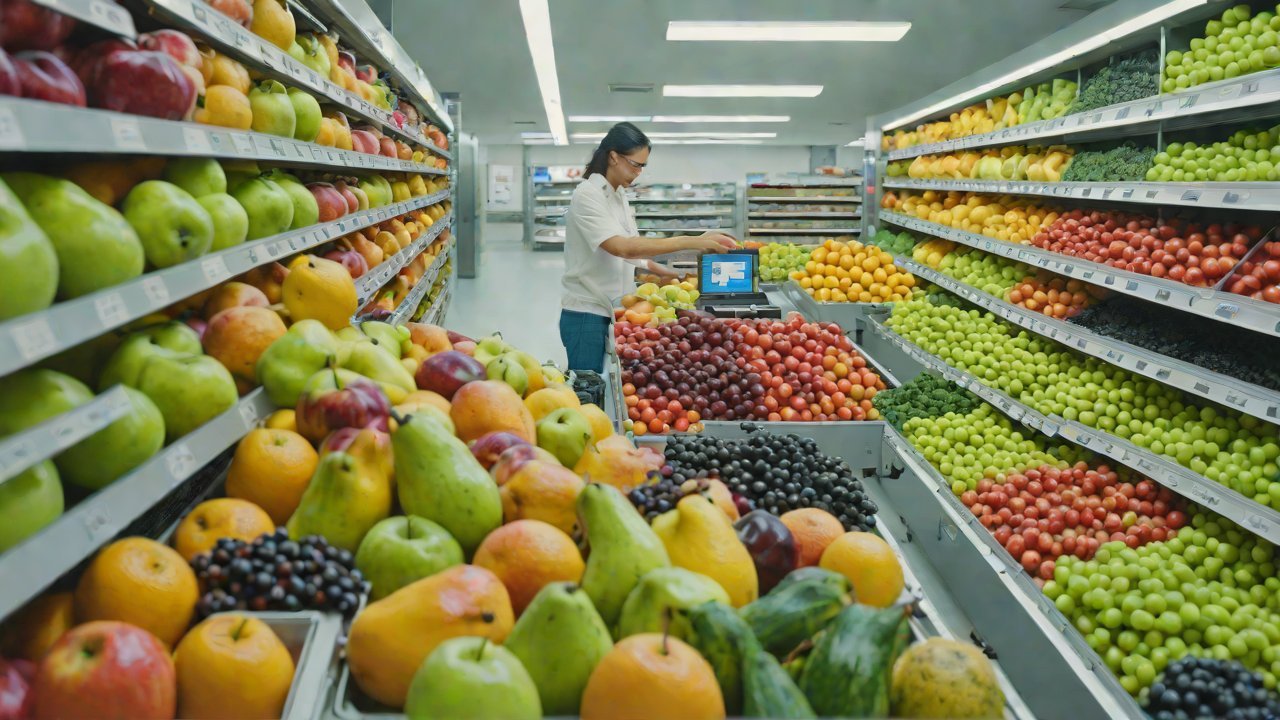
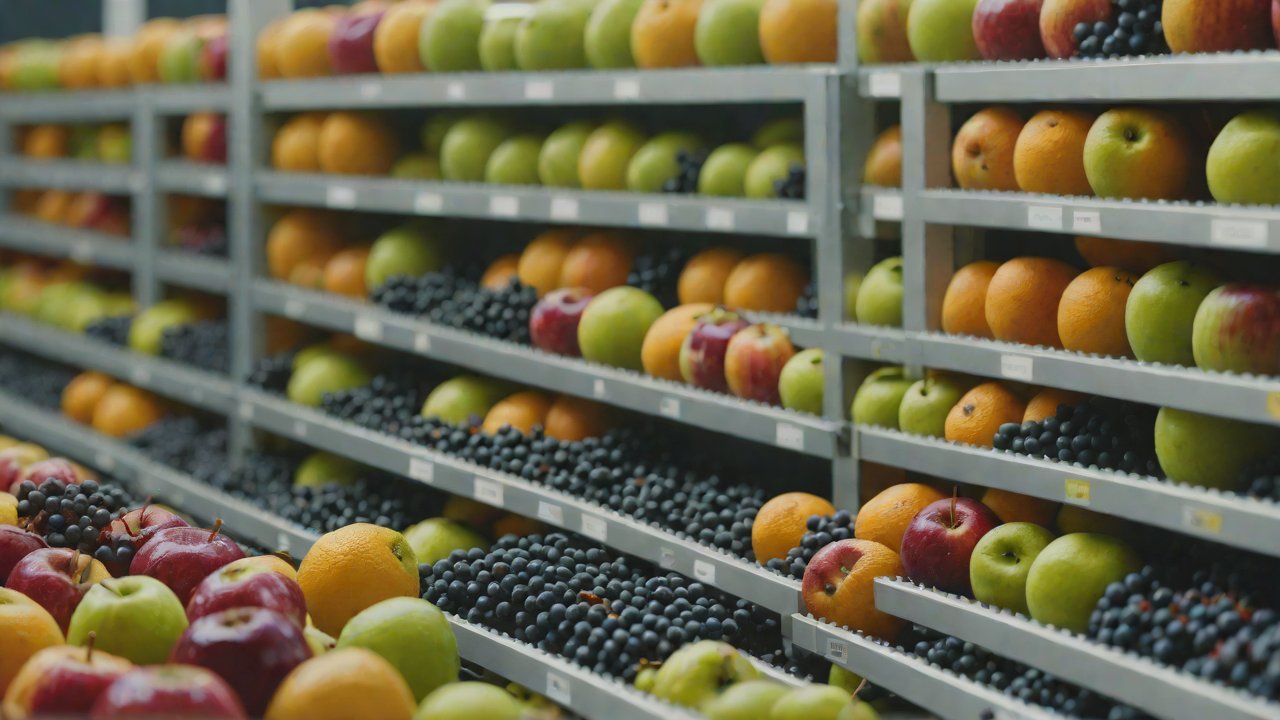
Defects in fruits can stem from various factors such as environmental conditions during cultivation, pests or diseases that affect the produce, and mechanical damage during handling and transportation. These defects not only reduce the aesthetic appeal and shelf life of fruits but also pose health risks to consumers who consume them. For instance, fruits with visible signs of mold or rot can harbor harmful bacteria like E. coli, which can lead to severe foodborne illnesses.
Defective Fruits by Type
| Fruit | Common Defects |
|---|---|
| Apples | Bruises, Pests (Codling Moth), Mold |
| Bananas | Blisters, Green Skin, Bruising |
| Berries | Mold, Rot, Sunburn |
| Citrus (Oranges, Lemons) | Scurf, Greasy Spot Disease |
| Grapes | Raisin Mite Infestation, Botrytis |

2. Machine Vision for Fruit Inspection
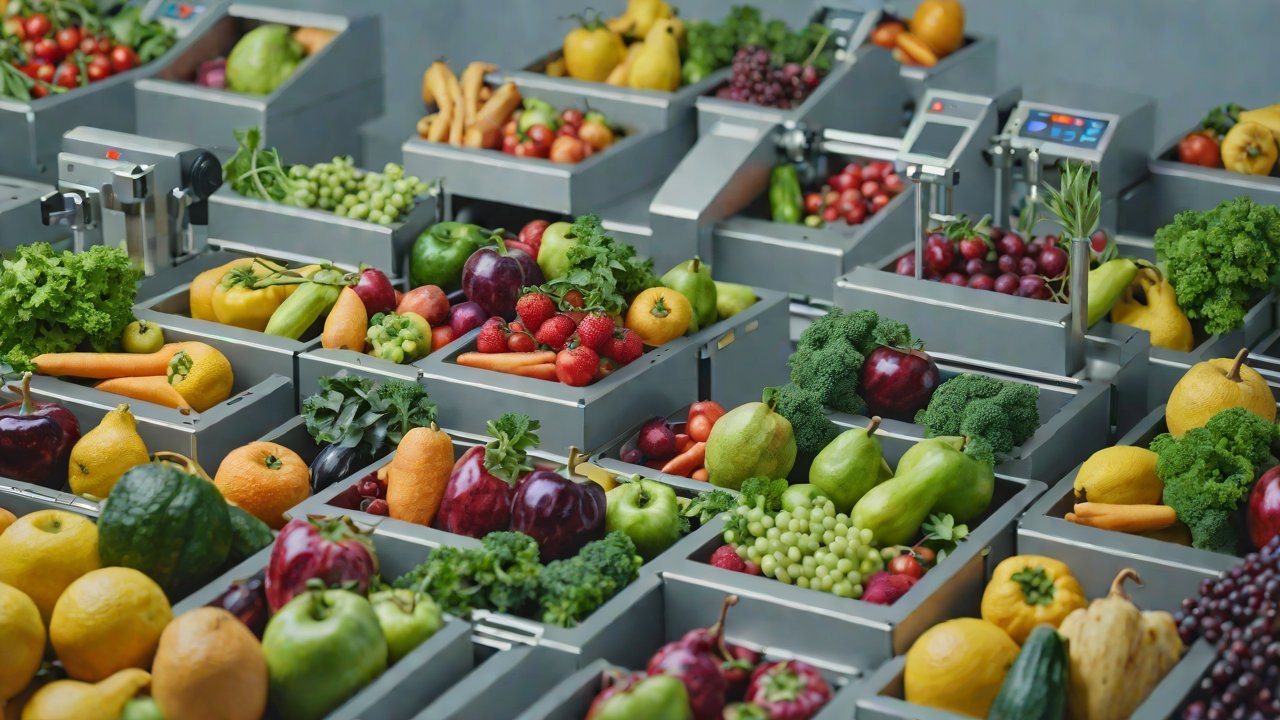
Machine vision technology utilizes cameras and computer algorithms to inspect fruits for defects. This non-destructive method allows for real-time evaluation of the produce without causing any damage. Several factors make machine vision particularly effective in fruit inspection:
- High Resolution: Modern cameras can capture images with high resolution, enabling detailed inspections.
- Advanced Algorithms: Sophisticated software can differentiate between healthy and defective fruits based on color, texture, and other visual cues.
- Speed and Efficiency: Machine vision systems can process hundreds of fruits per minute, making them a time-efficient solution.
3. Market Trends in Fruit Inspection Technology
The market for fruit inspection technology is rapidly evolving due to increasing demand from consumers for high-quality produce and stricter regulations regarding food safety. Key trends include:
- Increased Adoption of Computer Vision: Farmers and manufacturers are increasingly turning to computer vision solutions for their precision and effectiveness.
- Integration with AI and ML: The integration of artificial intelligence (AI) and machine learning (ML) into fruit inspection systems has improved accuracy and reduced false positives.
- Rise of Drones in Agriculture: Drone-based inspections using machine vision are becoming more common, allowing for real-time monitoring of crops.
4. Economic Benefits of Machine Vision in Fruit Inspection
The adoption of machine vision technology in fruit inspection offers several economic benefits:
- Reduced Labor Costs: Automating the inspection process reduces labor costs associated with manual evaluation.
- Increased Efficiency: Faster processing times enable farmers and manufacturers to increase their productivity.
- Lower Waste Rates: By detecting defects early, producers can reduce waste rates, minimizing financial losses.
5. Challenges and Limitations
While machine vision holds immense potential for fruit inspection, several challenges and limitations need to be addressed:
- Variability in Fruit Appearance: The diverse appearance of fruits can make it challenging for algorithms to accurately detect defects.
- Environmental Factors: Weather conditions like lighting and temperature fluctuations can affect the accuracy of inspections.
- Cost: High-end machine vision systems can be expensive, making them inaccessible to smaller-scale farmers.
6. Future Directions
The integration of advanced technologies such as deep learning and computer-aided design (CAD) into fruit inspection systems is expected to further improve their accuracy and efficiency. Additionally, the development of more affordable and user-friendly solutions will make machine vision technology accessible to a broader range of producers.
In conclusion, the application of machine vision in fruit inspection has the potential to revolutionize the produce industry by reducing defective products to near zero. While challenges exist, the benefits of adopting this technology far outweigh its limitations. As technology continues to evolve, we can expect even more sophisticated solutions that will further minimize waste and ensure a safer food supply for consumers worldwide.
IOT Cloud Platform
IOT Cloud Platform is an IoT portal established by a Chinese IoT company, focusing on technical solutions in the fields of agricultural IoT, industrial IoT, medical IoT, security IoT, military IoT, meteorological IoT, consumer IoT, automotive IoT, commercial IoT, infrastructure IoT, smart warehousing and logistics, smart home, smart city, smart healthcare, smart lighting, etc.
The IoT Cloud Platform blog is a top IoT technology stack, providing technical knowledge on IoT, robotics, artificial intelligence (generative artificial intelligence AIGC), edge computing, AR/VR, cloud computing, quantum computing, blockchain, smart surveillance cameras, drones, RFID tags, gateways, GPS, 3D printing, 4D printing, autonomous driving, etc.