Empowering the Cities of the Future: Top IoT Companies in 2026
The cities of tomorrow are being redefined by the transformative power of the Internet of Things (IoT). As urban populations continue to grow, municipalities are turning to cutting-edge technologies to improve efficiency, enhance public services, and foster sustainable development. At the forefront of this revolution are top-tier IoT companies that are driving innovation and shaping the future of urban governance. In 2026, a new generation of tech leaders has emerged, equipped with advanced AI capabilities, edge computing expertise, and a deep understanding of urban ecosystems.
These pioneering organizations are leveraging the vast potential of IoT to create intelligent, resilient, and livable cities. From smart traffic management systems to energy-efficient buildings, their solutions are transforming the way citizens interact with their surroundings. But what sets these companies apart? What makes them the top IoT players in 2026?
1. The Rise of Edge Computing
As IoT devices proliferate across urban landscapes, the sheer volume and velocity of data generated require new approaches to processing and analysis. Edge computing, which involves decentralizing data processing at the edge of the network, has become a critical enabler of IoT innovation.
| Company | Description | Edge Computing Capabilities |
|---|---|---|
| Foghorn Systems | Edge AI solutions for industrial automation | Real-time data processing, machine learning, and predictive analytics |
| Dell Technologies | Integrated edge-to-cloud infrastructure | Scalable, secure, and high-performance edge computing |
| HPE Edgeline | Edge computing platform for IoT applications | Real-time data processing, machine learning, and AI-driven insights |
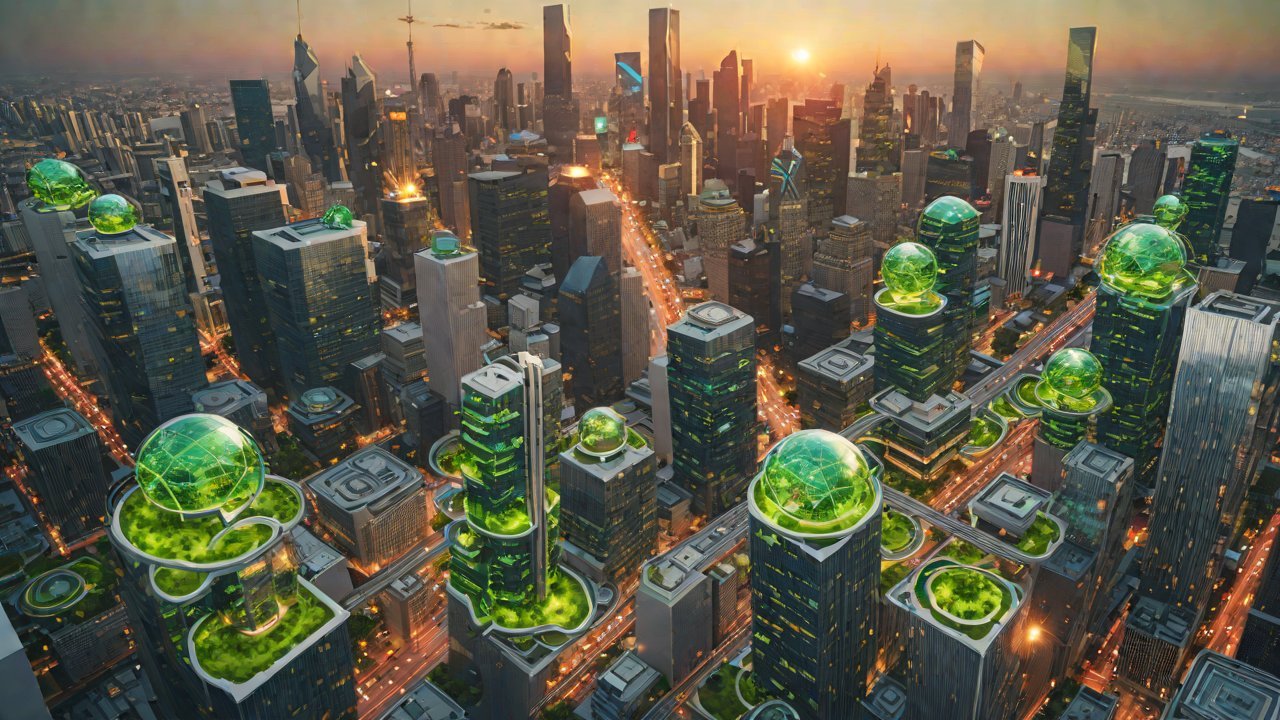
By harnessing the power of edge computing, these companies are empowering cities to make faster, more informed decisions. They enable real-time monitoring and control of urban infrastructure, ensuring that services are delivered efficiently and effectively.
2. The Role of Artificial Intelligence
Artificial intelligence (AI) is another key driver of IoT innovation in 2026. By applying AI algorithms to IoT data, cities can unlock new insights into citizen behavior, energy consumption patterns, and transportation flow. This enables data-driven decision-making, improving the overall quality of life for urban residents.
| Company | Description | AI Capabilities |
|---|---|---|
| Microsoft Azure | Cloud-based AI platform for IoT applications | Predictive analytics, machine learning, and natural language processing |
| Google Cloud AI Platform | Edge-to-cloud AI solutions for IoT | Real-time data processing, edge computing, and AI-driven insights |
| IBM Watson IoT | AI-powered IoT platform for industrial automation | Predictive maintenance, quality control, and energy efficiency |
These companies are pioneering the use of AI in IoT applications, from smart traffic management to predictive maintenance. Their expertise is helping cities optimize resource allocation, reduce waste, and enhance public services.

3. Urban Ecosystems: A New Era of Collaboration
As cities become increasingly complex systems, there is a growing recognition of the need for collaboration between private sector companies, governments, and citizens. Top IoT players in 2026 are embracing this shift towards urban ecosystems, fostering partnerships that drive innovation and create value.
| Company | Description | Urban Ecosystems Initiatives |
|---|---|---|
| Siemens | Integrated urban infrastructure solutions | Smart city planning, energy-efficient buildings, and sustainable transportation systems |
| AT&T IoT Solutions | Edge-to-cloud IoT platform for industrial automation | Predictive maintenance, quality control, and energy efficiency |
| Cisco Systems | Urban IoT network architecture for smart cities | Real-time data processing, edge computing, and AI-driven insights |
By working together with municipalities, these companies are co-creating urban ecosystems that are resilient, sustainable, and responsive to citizen needs. They are empowering cities to become vibrant hubs of innovation, creativity, and economic growth.
4. The Future of IoT: Trends and Outlook

As we look ahead to the future of IoT, several trends are emerging that will shape the industry in 2026 and beyond. These include:
- The increasing adoption of edge computing and AI-driven analytics
- The rise of urban ecosystems and collaborative innovation models
- The growing importance of data security, privacy, and governance
| Trend | Description |
|---|---|
| Edge Computing Adoption | Expected to reach 50% by 2026, driven by IoT device proliferation and real-time processing needs |
| Urban Ecosystems Growth | Anticipated to accelerate as cities recognize the value of collaboration and co-creation in driving innovation |
| Data Security Concerns | Increasingly pressing issue, as cities grapple with the challenges of data governance and citizen trust |
As we conclude this comprehensive report on top IoT companies in 2026, it is clear that these organizations are poised to shape the future of urban development. By harnessing the power of edge computing, AI-driven analytics, and collaborative innovation models, they are empowering cities to become more efficient, sustainable, and livable places for all citizens.
The future of IoT holds tremendous promise, but also presents significant challenges. As we look ahead to 2026 and beyond, it will be essential for cities, companies, and citizens to work together to create a brighter, more resilient world.
IOT Cloud Platform
IOT Cloud Platform is an IoT portal established by a Chinese IoT company, focusing on technical solutions in the fields of agricultural IoT, industrial IoT, medical IoT, security IoT, military IoT, meteorological IoT, consumer IoT, automotive IoT, commercial IoT, infrastructure IoT, smart warehousing and logistics, smart home, smart city, smart healthcare, smart lighting, etc.
The IoT Cloud Platform blog is a top IoT technology stack, providing technical knowledge on IoT, robotics, artificial intelligence (generative artificial intelligence AIGC), edge computing, AR/VR, cloud computing, quantum computing, blockchain, smart surveillance cameras, drones, RFID tags, gateways, GPS, 3D printing, 4D printing, autonomous driving, etc.