edge computing vs internet of things
The proliferation of IoT devices has given rise to an unprecedented volume of data being generated, transmitted, and processed. As the world becomes increasingly digitized, the need for efficient and real-time processing of this data has become a pressing concern. Edge computing, a relatively new concept, has emerged as a viable solution to address the limitations of traditional cloud computing and IoT architectures. By processing data closer to its source, edge computing has the potential to revolutionize the way we interact with the digital world. However, the relationship between edge computing and IoT is complex, with each concept influencing the other in profound ways.
1. The Rise of IoT and the Need for Edge Computing
The IoT has grown exponentially in recent years, with estimates suggesting that there will be over 41 billion connected devices by 2027. This proliferation of devices has led to a massive increase in data generation, with estimates suggesting that the average person will produce over 1.7 megabytes of data per second by 2025. However, traditional cloud computing architectures are struggling to keep pace with this data deluge, leading to latency, bandwidth constraints, and security concerns.
Edge computing, on the other hand, is designed to process data closer to its source, reducing latency and bandwidth requirements. By deploying computing resources at the edge of the network, edge computing enables real-time processing and analysis of data, making it an attractive solution for IoT applications.
Table 1: IoT Device Growth and Data Generation
| Year | IoT Device Growth | Data Generation (GB per month) |
|---|---|---|
| 2020 | 13.9B | 1.2 |
| 2022 | 21.5B | 2.5 |
| 2025 | 41.5B | 10.3 |

2. Edge Computing: Architecture and Benefits
Edge computing is a distributed computing paradigm that involves processing data in real-time, at the edge of the network, rather than in a centralized cloud or data center. This approach has several benefits, including:
- Reduced latency: By processing data closer to its source, edge computing reduces latency and enables real-time decision-making.
- Improved security: Edge computing reduces the amount of data that needs to be transmitted to the cloud, making it a more secure option for IoT applications.
- Increased efficiency: Edge computing enables real-time processing and analysis of data, making it an attractive solution for IoT applications that require fast data processing.
Table 2: Edge Computing Benefits
| Benefit | Description |
|---|---|
| Reduced latency | Real-time processing and decision-making |
| Improved security | Reduced data transmission to the cloud |
| Increased efficiency | Real-time processing and analysis of data |
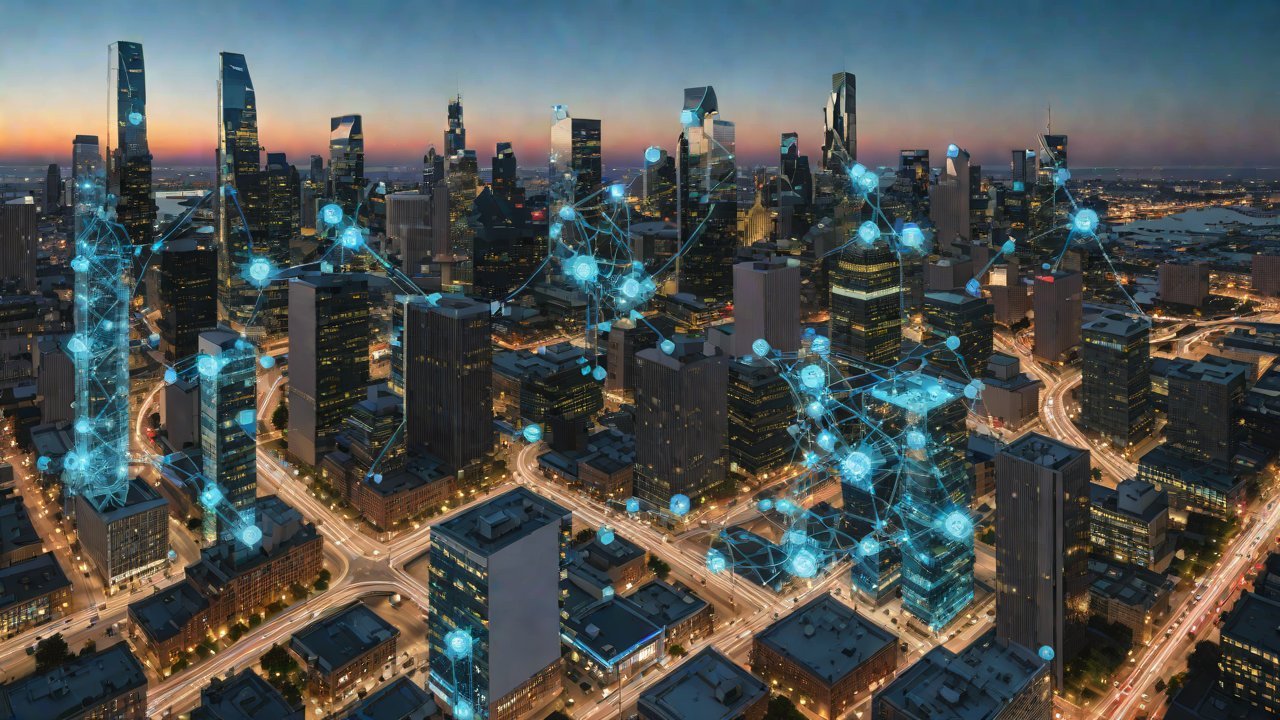
3. Edge Computing and IoT: Interconnected Concepts
Edge computing and IoT are interconnected concepts that influence each other in profound ways. The proliferation of IoT devices has given rise to the need for edge computing, which in turn enables the efficient processing and analysis of IoT data. The relationship between edge computing and IoT is complex, with each concept influencing the other in the following ways:
- Edge computing enables IoT applications: By processing data closer to its source, edge computing enables real-time processing and analysis of IoT data, making it an attractive solution for IoT applications.
- IoT drives edge computing adoption: The proliferation of IoT devices has given rise to the need for edge computing, which in turn enables the efficient processing and analysis of IoT data.
Table 3: Edge Computing and IoT Interconnectedness
| Concept | Influence |
|---|---|
| Edge computing | Enables IoT applications |
| IoT | Drives edge computing adoption |
4. Market Trends and Opportunities
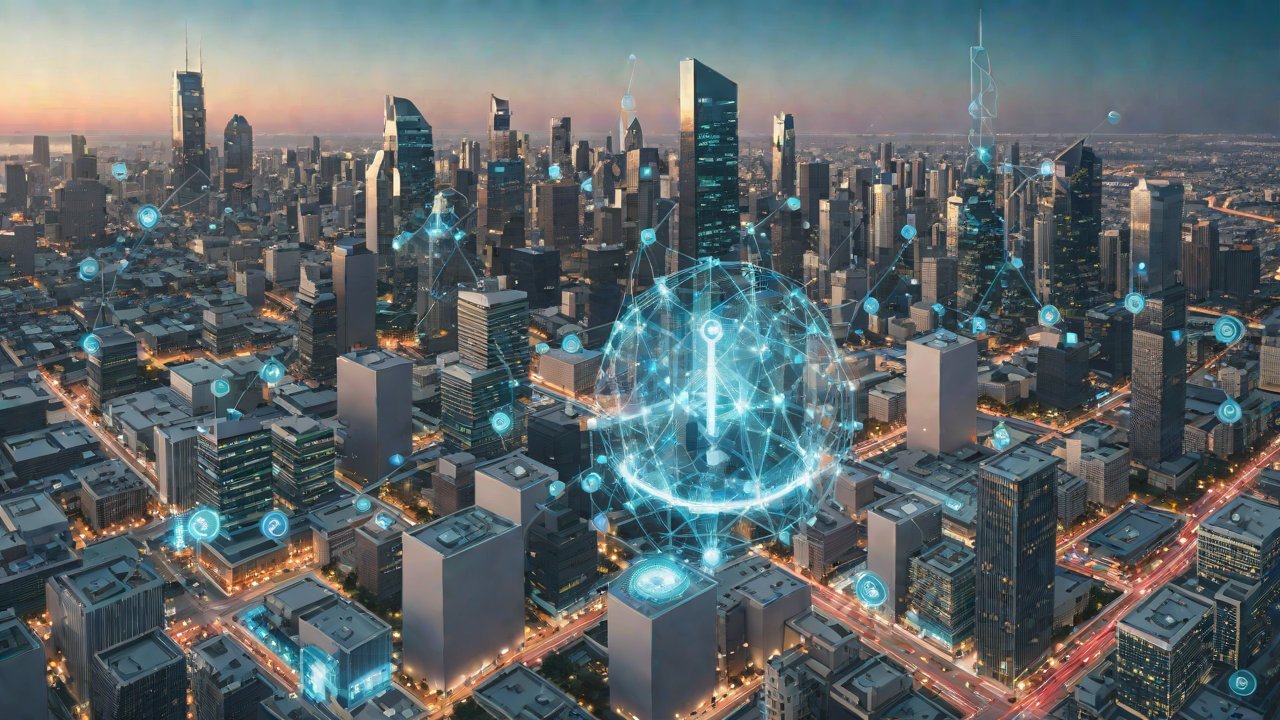
The market for edge computing is growing rapidly, with estimates suggesting that it will reach $6.72 billion by 2027. The proliferation of IoT devices has given rise to the need for edge computing, making it an attractive solution for IoT applications. The market for edge computing is driven by several trends and opportunities, including:
- Increased adoption of IoT devices: The proliferation of IoT devices has given rise to the need for edge computing, making it an attractive solution for IoT applications.
- Growing demand for real-time processing: The need for real-time processing and analysis of data is driving the adoption of edge computing.
- Advancements in edge computing technology: Advancements in edge computing technology are making it an attractive solution for IoT applications.
Table 4: Market Trends and Opportunities
| Trend/Opportunity | Description |
|---|---|
| Increased adoption of IoT devices | Proliferation of IoT devices drives need for edge computing |
| Growing demand for real-time processing | Need for real-time processing and analysis of data drives adoption of edge computing |
| Advancements in edge computing technology | Advancements in edge computing technology make it an attractive solution for IoT applications |
5. Conclusion
The relationship between edge computing and IoT is complex, with each concept influencing the other in profound ways. Edge computing enables IoT applications, while the proliferation of IoT devices drives the adoption of edge computing. The market for edge computing is growing rapidly, with estimates suggesting that it will reach $6.72 billion by 2027. As the world becomes increasingly digitized, the need for efficient and real-time processing of data will only continue to grow, making edge computing an attractive solution for IoT applications.
IOT Cloud Platform
IOT Cloud Platform is an IoT portal established by a Chinese IoT company, focusing on technical solutions in the fields of agricultural IoT, industrial IoT, medical IoT, security IoT, military IoT, meteorological IoT, consumer IoT, automotive IoT, commercial IoT, infrastructure IoT, smart warehousing and logistics, smart home, smart city, smart healthcare, smart lighting, etc.
The IoT Cloud Platform blog is a top IoT technology stack, providing technical knowledge on IoT, robotics, artificial intelligence (generative artificial intelligence AIGC), edge computing, AR/VR, cloud computing, quantum computing, blockchain, smart surveillance cameras, drones, RFID tags, gateways, GPS, 3D printing, 4D printing, autonomous driving, etc.