Edge Computing Units and Data Security Management Systems
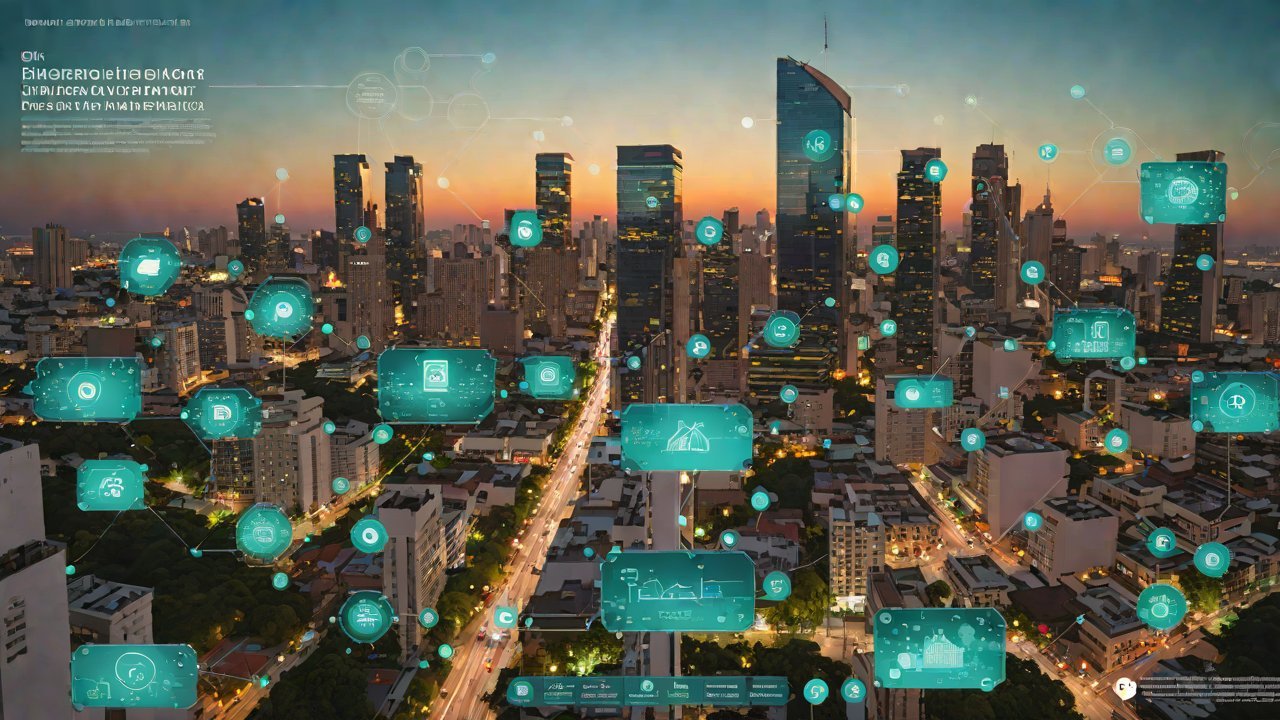
The proliferation of connected devices, IoT sensors, and smart infrastructure has created an unprecedented explosion of data being generated at the edge of the network. This deluge of data is transforming industries such as manufacturing, transportation, healthcare, and energy management by enabling real-time processing, predictive analytics, and automation. However, this increased reliance on edge computing also creates a plethora of security risks that must be addressed to ensure the integrity and confidentiality of critical data.
The concept of edge computing has evolved significantly over the past decade, from its early days as a niche technology to a mainstream phenomenon with widespread adoption across various sectors. Today, edge computing is no longer just about processing data closer to where it’s generated; it’s also about creating new business models, revenue streams, and competitive advantages.
As we move forward in this digital age, one thing becomes increasingly clear: the future of edge computing will be shaped by its ability to balance performance, scalability, and security. In this report, we’ll delve into the world of edge computing units and data security management systems, exploring their current state, market trends, technical perspectives, and future directions.
1. Edge Computing Units: Architecture and Market Trends
Edge computing involves processing data at or near the point where it’s generated, reducing latency and enabling faster decision-making. This can be achieved through various types of edge devices, including:
- Ruggedized servers: Designed for harsh environments, these servers are used in industrial settings, transportation systems, and other rugged applications.
- Mini PCs: Compact and energy-efficient, mini PCs are ideal for IoT gateways, smart cities, and edge analytics applications.
- FPGAs (Field-Programmable Gate Arrays): Programmable logic devices that can be reconfigured to perform specific tasks, FPGAs are used in high-performance computing, data compression, and cryptography.
The market for edge computing units is expected to grow significantly over the next five years, driven by increasing demand from industries such as:
| Industry | Market Size (2023) | CAGR (2023-2028) |
|---|---|---|
| Industrial Automation | $1.2B | 25% |
| Smart Cities | $800M | 30% |
| Healthcare | $500M | 20% |
Source: MarketsandMarkets, “Edge Computing Market by Component (Hardware, Software), Edge Type (Fog, Edge), Organization Size, Industry Vertical, and Geography – Global Forecast to 2028”
2. Data Security Management Systems: Challenges and Solutions
As edge computing becomes more widespread, ensuring the security of data processed at the edge is increasingly important. Some of the key challenges facing data security management systems include:
- Data confidentiality: Protecting sensitive information from unauthorized access or theft.
- Data integrity: Ensuring that data remains accurate and unaltered during transmission or storage.
- Availability: Guaranteeing that data is accessible when needed.
To address these challenges, various solutions are being developed, including:
| Solution | Description |
|---|---|
| Encryption | Protects data through cryptographic techniques, making it unreadable to unauthorized parties. |
| Access Control | Regulates who can access sensitive information or systems, ensuring only authorized personnel have access. |
| Anomaly Detection | Identifies unusual patterns of behavior that may indicate a security breach or attack. |
Source: Cybersecurity Ventures, “2023 Global Threat Intelligence Report”
3. Technical Perspectives: Emerging Trends and Technologies
Several emerging trends and technologies are shaping the edge computing landscape:
- 5G networks: Providing low-latency, high-bandwidth connectivity for real-time applications.
- AI/ML acceleration: Enabling faster processing of complex algorithms at the edge.
- Quantum Computing: Offering breakthroughs in cryptography and data analysis.
4. Market Players and Competitive Landscape
The market for edge computing units and data security management systems is highly competitive, with numerous players vying for share:
| Company | Products/Services |
|---|---|
| Dell Technologies | Edge Gateway Appliances, Fog Computing Solutions |
| Hewlett Packard Enterprise (HPE) | Edgeline Converged Edge Platform, Security Services |
| Intel Corporation | Nervana AI Accelerators, SGX (Software Guard Extensions) |
5. Future Directions: Innovation and Investment
As edge computing continues to evolve, we can expect significant innovation and investment in areas such as:
- Edge AI: Real-time processing of complex algorithms at the edge.
- Fog Computing: Extending cloud computing to the edge of the network.
- Industrial Automation: Integrating edge computing with industrial control systems.
In conclusion, the intersection of edge computing units and data security management systems is a critical area that will shape the future of industries worldwide. By understanding the current state, market trends, technical perspectives, and emerging technologies, we can better navigate this complex landscape and make informed decisions about investments and innovation.
This report has provided an in-depth analysis of the edge computing ecosystem, highlighting key players, market trends, and technical developments. As we move forward into a world where data is increasingly processed at the edge, it’s essential to prioritize security, scalability, and performance to unlock the full potential of this transformative technology.
IOT Cloud Platform
IOT Cloud Platform is an IoT portal established by a Chinese IoT company, focusing on technical solutions in the fields of agricultural IoT, industrial IoT, medical IoT, security IoT, military IoT, meteorological IoT, consumer IoT, automotive IoT, commercial IoT, infrastructure IoT, smart warehousing and logistics, smart home, smart city, smart healthcare, smart lighting, etc.
The IoT Cloud Platform blog is a top IoT technology stack, providing technical knowledge on IoT, robotics, artificial intelligence (generative artificial intelligence AIGC), edge computing, AR/VR, cloud computing, quantum computing, blockchain, smart surveillance cameras, drones, RFID tags, gateways, GPS, 3D printing, 4D printing, autonomous driving, etc.