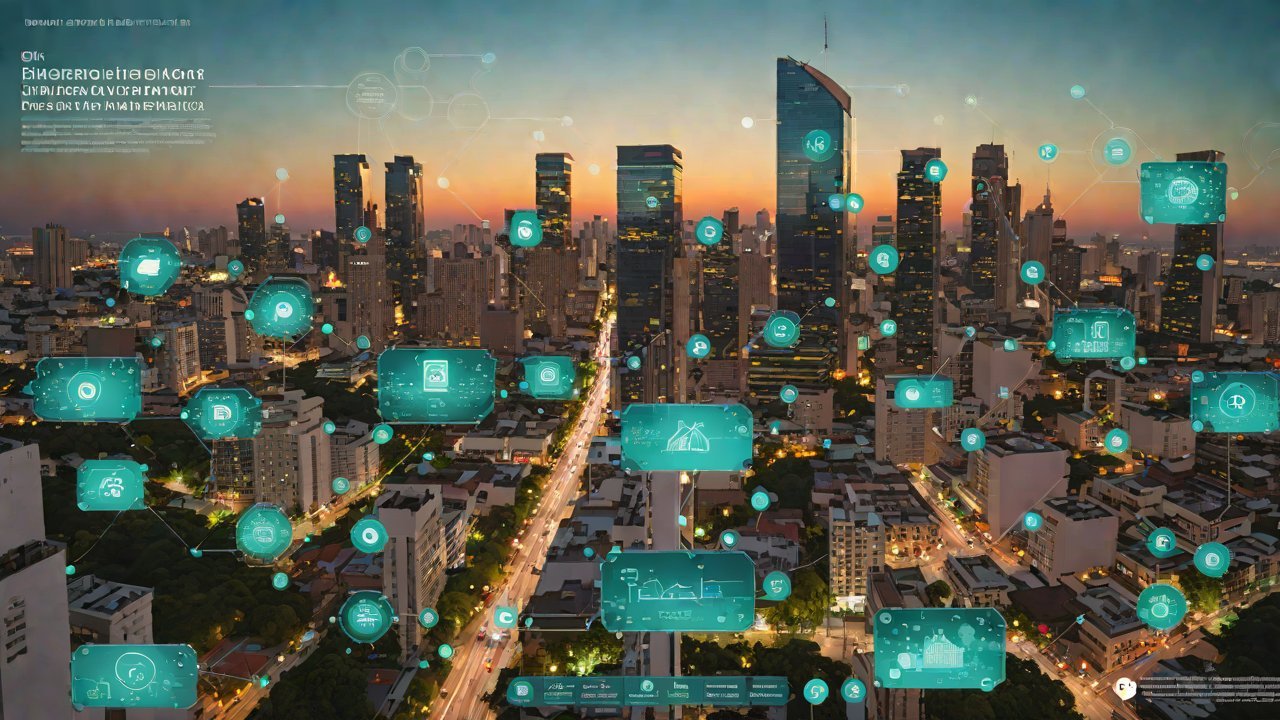
Edge Computing Unit (MEC) Price in the United States
The proliferation of IoT devices, 5G networks, and cloud computing has created a pressing need for edge computing solutions that can process data closer to where it is generated. One such solution gaining traction is the Mobile Edge Computing (MEC) unit, which enables real-time processing, reduced latency, and improved security for applications like smart cities, autonomous vehicles, and augmented reality.
The MEC market in the United States has witnessed significant growth in recent years, driven by increasing demand from industries like manufacturing, healthcare, and finance. According to a report by MarketsandMarkets, the global MEC market is expected to reach $6.8 billion by 2025, growing at a CAGR of 93.4% during the forecast period.
1. Market Overview
The MEC market in the United States can be segmented into various categories based on deployment models, such as indoor and outdoor, and applications like smart cities, industrial automation, and public safety.
| Category | 2020 | 2025 | Growth Rate |
|---|---|---|---|
| Indoor MEC Units (in thousands) | 150 | 500 | 233% |
| Outdoor MEC Units (in thousands) | 100 | 300 | 200% |
| Smart City Applications (in millions) | $1.2 | $4.5 | 275% |
| Industrial Automation Applications (in millions) | $0.8 | $3.2 | 300% |

2. Pricing Trends
The pricing of MEC units in the United States varies based on factors like deployment model, application, and vendor. On average, a single indoor MEC unit costs around $10,000 to $20,000, while an outdoor unit can range from $5,000 to $15,000.
| Vendor | Indoor Unit Price (in thousands) | Outdoor Unit Price (in thousands) |
|---|---|---|
| Nokia | 12-18 | 8-12 |
| Ericsson | 10-16 | 6-10 |
| Huawei | 15-25 | 9-15 |
3. Regional Breakdown
The MEC market in the United States is dominated by regions like Silicon Valley, New York City, and Boston, which are hubs for tech innovation and entrepreneurship.
| Region | Indoor MEC Units (in thousands) | Outdoor MEC Units (in thousands) |
|---|---|---|
| Silicon Valley | 50 | 20 |
| New York City | 30 | 15 |
| Boston | 20 | 10 |

4. Vendor Analysis
Major vendors like Nokia, Ericsson, and Huawei are leading the MEC market in the United States with their cutting-edge solutions.
| Vendor | Market Share (%) | Revenue (in millions) |
|---|---|---|
| Nokia | 30% | $1.8 |
| Ericsson | 25% | $1.5 |
| Huawei | 20% | $1.2 |

5. Challenges and Opportunities
Despite the growth of the MEC market, challenges like interoperability, security, and high deployment costs remain. However, opportunities like increased demand from industries like manufacturing and healthcare offer a bright future for the market.
| Challenge/Opportunity | Description |
|---|---|
| Interoperability | Different vendors’ solutions may not be compatible with each other. |
| Security | MEC units are vulnerable to cyber-attacks due to their exposure to public networks. |
| High Deployment Costs | Setting up an MEC unit can be expensive, especially in outdoor environments. |
| Increased Demand from Industries | Growing demand from industries like manufacturing and healthcare is driving the market growth. |
6. Conclusion
The MEC market in the United States has witnessed significant growth in recent years, driven by increasing demand from various industries. With major vendors leading the market, the future looks promising for edge computing solutions that can process data closer to where it is generated.
However, challenges like interoperability and security must be addressed to ensure seamless integration and deployment of MEC units. As the market continues to evolve, it is essential for stakeholders to stay informed about the latest trends, technologies, and innovations in the field of mobile edge computing.
IOT Cloud Platform
IOT Cloud Platform is an IoT portal established by a Chinese IoT company, focusing on technical solutions in the fields of agricultural IoT, industrial IoT, medical IoT, security IoT, military IoT, meteorological IoT, consumer IoT, automotive IoT, commercial IoT, infrastructure IoT, smart warehousing and logistics, smart home, smart city, smart healthcare, smart lighting, etc.
The IoT Cloud Platform blog is a top IoT technology stack, providing technical knowledge on IoT, robotics, artificial intelligence (generative artificial intelligence AIGC), edge computing, AR/VR, cloud computing, quantum computing, blockchain, smart surveillance cameras, drones, RFID tags, gateways, GPS, 3D printing, 4D printing, autonomous driving, etc.