edge computing technologies for internet of things a primer
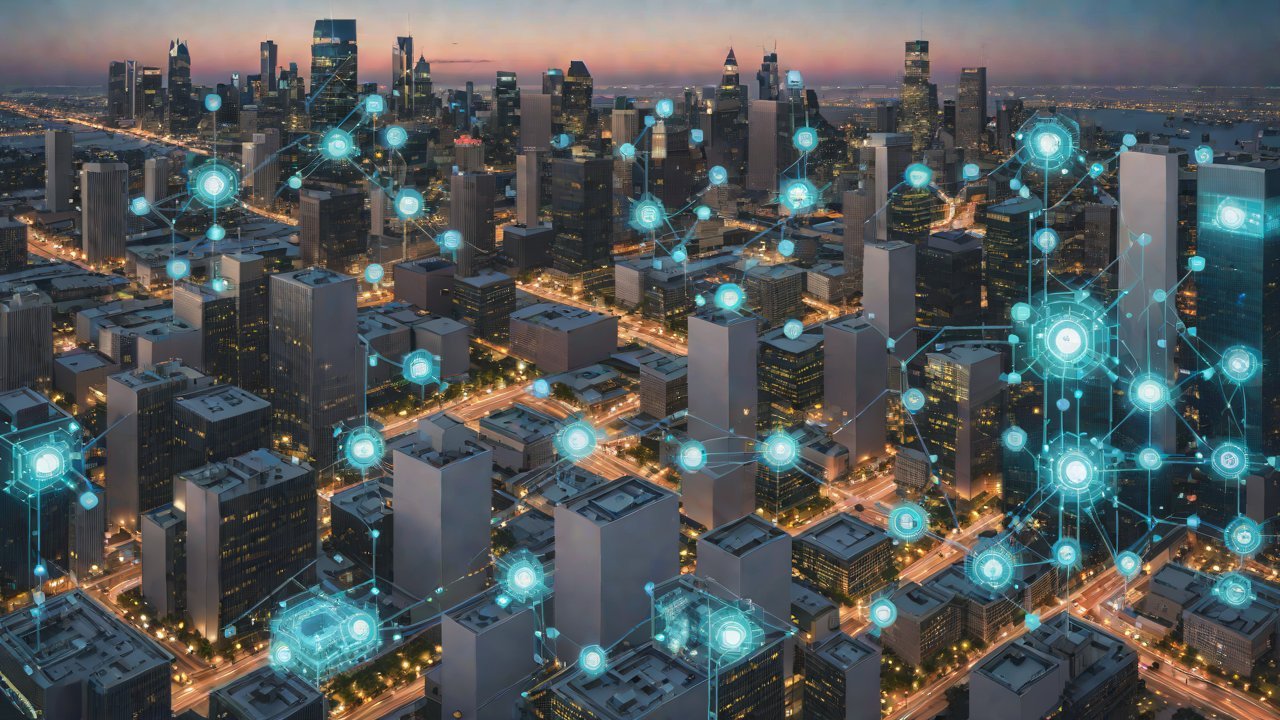
Edge computing technologies have become a crucial component in the Internet of Things (IoT) ecosystem, enabling real-time processing, reduced latency, and enhanced security. As the number of connected devices continues to rise, the need for efficient data processing and management has never been more pressing. Edge computing addresses these challenges by bringing computation closer to the source of data, reducing the burden on cloud infrastructure, and enabling faster decision-making.
The concept of edge computing is not new, but its application in the IoT space has gained significant traction in recent years. This report will delve into the world of edge computing technologies for IoT, exploring the benefits, challenges, and market trends shaping this landscape.
1. Edge Computing Fundamentals
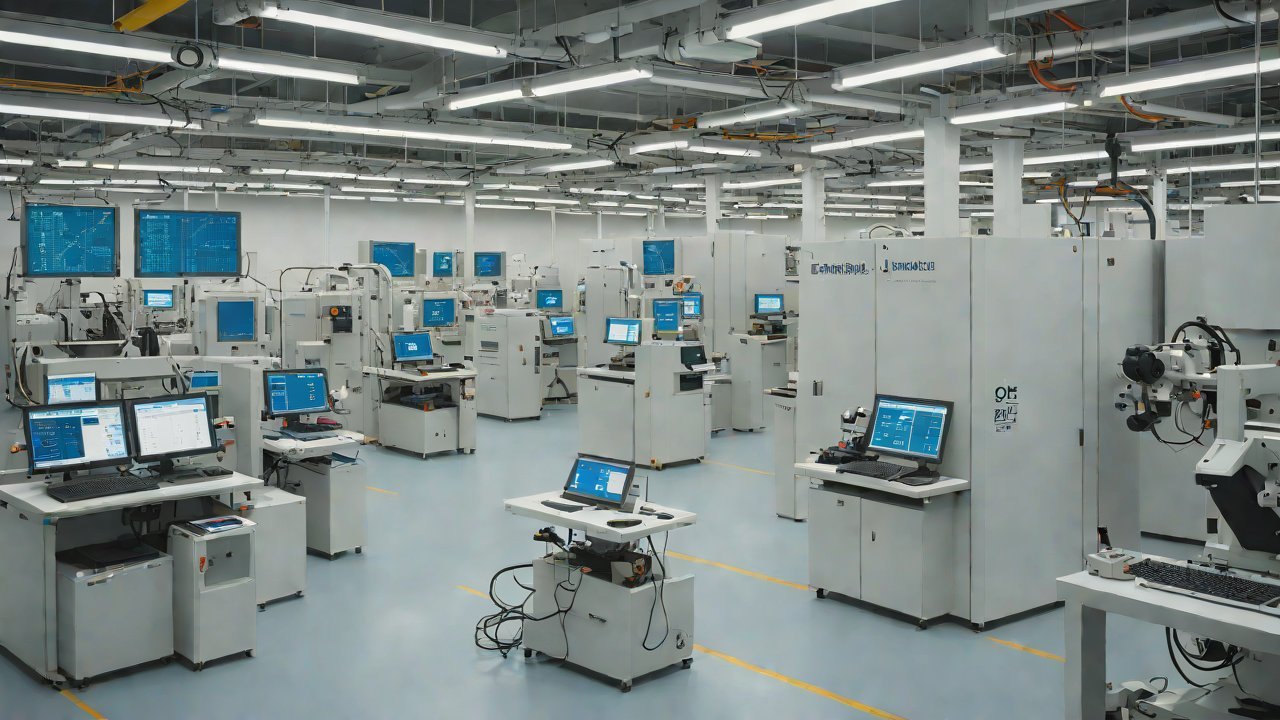
Edge computing is a distributed computing paradigm that enables data processing and analysis at the edge of the network, closer to the source of data. This approach reduces the amount of data transmitted to the cloud or a central data center, minimizing latency and bandwidth requirements. Edge computing typically involves a decentralized architecture, with multiple nodes or devices working together to process and analyze data in real-time.
The edge computing ecosystem consists of several key components, including:
- Edge Devices: These are the devices that collect and process data, such as sensors, cameras, and microcontrollers.
- Edge Gateways: These are the devices that connect edge devices to the cloud or a central data center, enabling data transmission and processing.
- Cloud or Central Data Center: This is the central hub for data processing, analysis, and storage.
Table 1: Edge Computing Architecture
| Component | Description |
|---|---|
| Edge Devices | Collect and process data |
| Edge Gateways | Connect edge devices to the cloud or central data center |
| Cloud or Central Data Center | Central hub for data processing, analysis, and storage |
2. Benefits of Edge Computing for IoT
Edge computing offers several benefits for IoT applications, including:
- Reduced Latency: By processing data closer to the source, edge computing reduces latency and enables faster decision-making.
- Improved Security: Edge computing reduces the amount of data transmitted to the cloud or central data center, minimizing the risk of data breaches and cyber attacks.
- Enhanced Performance: Edge computing enables real-time processing and analysis, improving the overall performance of IoT applications.
- Increased Efficiency: Edge computing reduces the burden on cloud infrastructure, enabling more efficient data processing and management.

Table 2: Benefits of Edge Computing for IoT
| Benefit | Description |
|---|---|
| Reduced Latency | Faster decision-making |
| Improved Security | Reduced risk of data breaches and cyber attacks |
| Enhanced Performance | Real-time processing and analysis |
| Increased Efficiency | Reduced burden on cloud infrastructure |
3. Edge Computing Technologies for IoT
Several edge computing technologies are being developed and deployed for IoT applications, including:
- Fog Computing: A distributed computing paradigm that enables data processing and analysis at the edge of the network.
- Edge AI: A subset of AI that enables real-time processing and analysis of data at the edge.
- IoT Gateways: Devices that connect IoT devices to the cloud or a central data center, enabling data transmission and processing.
- Edge Analytics: Tools and platforms that enable real-time data analysis and processing at the edge.
Table 3: Edge Computing Technologies for IoT
| Technology | Description |
|---|---|
| Fog Computing | Distributed computing paradigm for edge data processing |
| Edge AI | Real-time processing and analysis of data at the edge |
| IoT Gateways | Devices that connect IoT devices to the cloud or central data center |
| Edge Analytics | Tools and platforms for real-time data analysis and processing |
4. Market Trends and Outlook
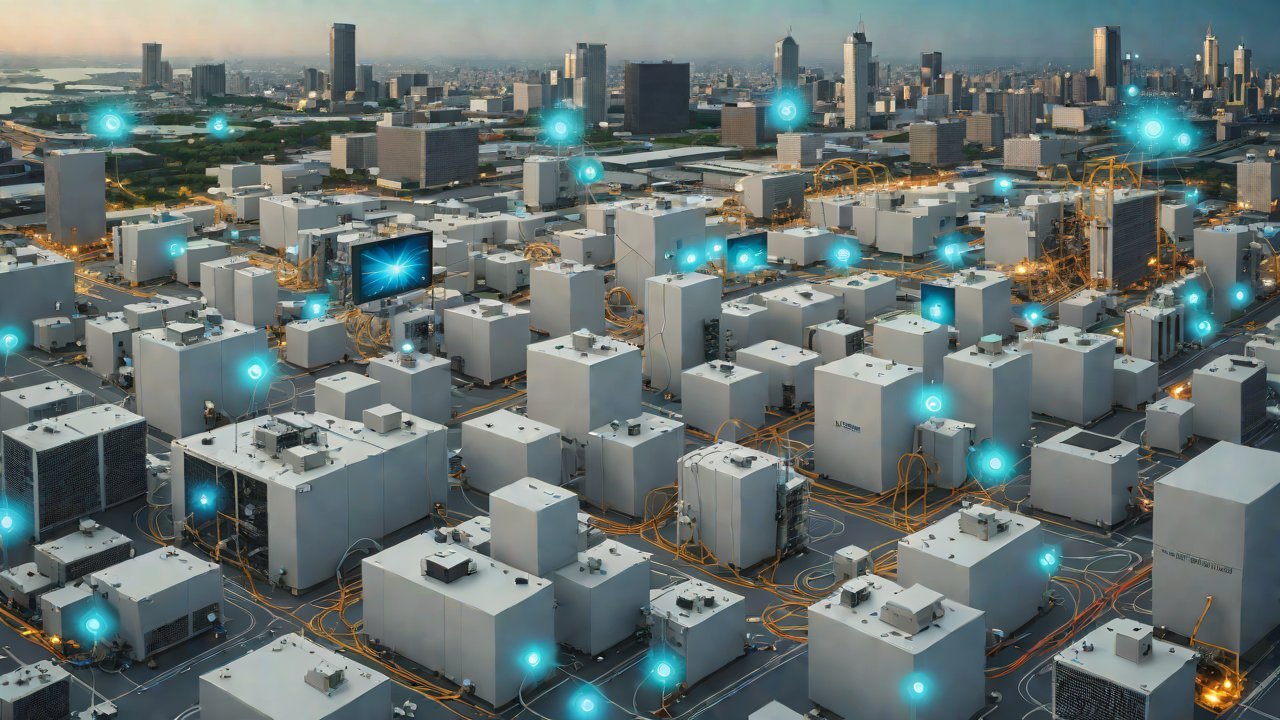
The edge computing market for IoT is expected to grow significantly in the coming years, driven by increasing demand for real-time data processing and analysis. According to a report by MarketsandMarkets, the edge computing market is expected to reach $30.4 billion by 2025, growing at a CAGR of 34.4% from 2020 to 2025.
Table 4: Market Size and Growth Rate
| Year | Market Size (Billion) | Growth Rate (CAGR) |
|---|---|---|
| 2020 | 4.6 | |
| 2025 | 30.4 | 34.4% |
5. Challenges and Limitations
While edge computing offers several benefits for IoT applications, there are also several challenges and limitations to consider, including:
- Scalability: Edge computing requires a large number of devices and infrastructure, which can be challenging to scale.
- Security: Edge computing requires robust security measures to protect against data breaches and cyber attacks.
- Interoperability: Edge computing requires devices and infrastructure to be interoperable, which can be challenging to achieve.
Table 5: Challenges and Limitations of Edge Computing
| Challenge | Description |
|---|---|
| Scalability | Large number of devices and infrastructure required |
| Security | Robust security measures required to protect against data breaches and cyber attacks |
| Interoperability | Devices and infrastructure must be interoperable |
6. Conclusion
Edge computing technologies have become a crucial component in the IoT ecosystem, enabling real-time processing, reduced latency, and enhanced security. As the number of connected devices continues to rise, the need for efficient data processing and management has never been more pressing. By understanding the benefits, challenges, and market trends shaping this landscape, organizations can make informed decisions about the adoption and deployment of edge computing technologies for their IoT applications.
7. Recommendations
Based on the analysis and insights presented in this report, the following recommendations are made:
- Invest in Edge Computing Infrastructure: Organizations should invest in edge computing infrastructure, including edge devices, gateways, and analytics tools.
- Develop Edge Computing Applications: Organizations should develop edge computing applications that leverage real-time data processing and analysis.
- Implement Robust Security Measures: Organizations should implement robust security measures to protect against data breaches and cyber attacks.
By following these recommendations, organizations can capitalize on the benefits of edge computing and stay ahead of the competition in the rapidly evolving IoT landscape.
IOT Cloud Platform
IOT Cloud Platform is an IoT portal established by a Chinese IoT company, focusing on technical solutions in the fields of agricultural IoT, industrial IoT, medical IoT, security IoT, military IoT, meteorological IoT, consumer IoT, automotive IoT, commercial IoT, infrastructure IoT, smart warehousing and logistics, smart home, smart city, smart healthcare, smart lighting, etc.
The IoT Cloud Platform blog is a top IoT technology stack, providing technical knowledge on IoT, robotics, artificial intelligence (generative artificial intelligence AIGC), edge computing, AR/VR, cloud computing, quantum computing, blockchain, smart surveillance cameras, drones, RFID tags, gateways, GPS, 3D printing, 4D printing, autonomous driving, etc.