
Edge computing internet of things examples
Edge computing and the Internet of Things (IoT) are transforming industries and revolutionizing the way we live and work. The convergence of these two technologies has given rise to a new era of data processing and analysis, enabling faster, more efficient, and more secure data processing. Edge computing, in particular, has emerged as a key enabler of IoT applications, allowing for real-time data processing, reduced latency, and increased security.
The market for edge computing and IoT is growing rapidly, with estimates suggesting that the global edge computing market will reach $14.2 billion by 2025, up from $1.4 billion in 2020 (MarketsandMarkets). The IoT market is also expected to reach $1.4 trillion by 2027, up from $1.1 trillion in 2020 (Grand View Research). These numbers are a testament to the transformative power of edge computing and IoT, and the vast opportunities they present for businesses and industries.
1. Edge Computing in IoT: A Technical Perspective
Edge computing is a distributed computing paradigm that brings data processing closer to the source of the data, reducing latency, and increasing efficiency. In the context of IoT, edge computing enables real-time data processing, allowing for faster decision-making and more efficient operations. Edge computing architectures can be broadly classified into three categories:
- Fog Computing: A distributed computing paradigm that brings data processing closer to the edge of the network, reducing latency and increasing efficiency.
- Edge Computing: A computing paradigm that brings data processing closer to the source of the data, reducing latency and increasing efficiency.
- Federated Learning: A distributed machine learning paradigm that enables edge devices to learn from each other, reducing the need for centralized data storage and processing.
Table 1: Edge Computing Architectures
| Architecture | Description |
|---|---|
| Fog Computing | Distributed computing paradigm that brings data processing closer to the edge of the network |
| Edge Computing | Computing paradigm that brings data processing closer to the source of the data |
| Federated Learning | Distributed machine learning paradigm that enables edge devices to learn from each other |
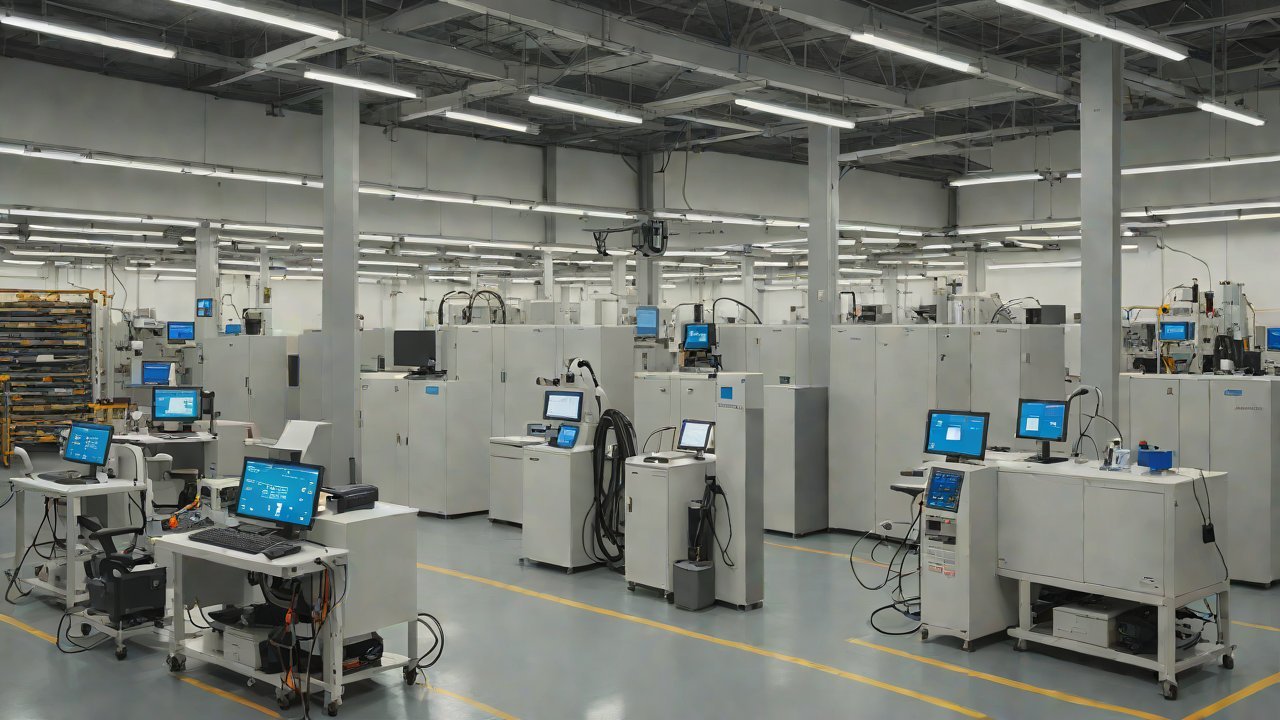
2. Applications of Edge Computing in IoT
Edge computing and IoT are transforming industries and revolutionizing the way we live and work. Some of the key applications of edge computing in IoT include:
- Smart Cities: Edge computing enables real-time data processing and analysis, allowing for more efficient and effective management of city infrastructure, transportation, and services.
- Industrial Automation: Edge computing enables real-time data processing and analysis, allowing for more efficient and effective management of industrial processes and equipment.
- Healthcare: Edge computing enables real-time data processing and analysis, allowing for more efficient and effective management of patient data and medical equipment.
- Transportation: Edge computing enables real-time data processing and analysis, allowing for more efficient and effective management of transportation systems and infrastructure.
Table 2: Applications of Edge Computing in IoT
| Industry | Application |
|---|---|
| Smart Cities | Real-time data processing and analysis for efficient management of city infrastructure, transportation, and services |
| Industrial Automation | Real-time data processing and analysis for efficient management of industrial processes and equipment |
| Healthcare | Real-time data processing and analysis for efficient management of patient data and medical equipment |
| Transportation | Real-time data processing and analysis for efficient management of transportation systems and infrastructure |

3. Market Trends and Opportunities
The market for edge computing and IoT is growing rapidly, with estimates suggesting that the global edge computing market will reach $14.2 billion by 2025, up from $1.4 billion in 2020 (MarketsandMarkets). The IoT market is also expected to reach $1.4 trillion by 2027, up from $1.1 trillion in 2020 (Grand View Research). These numbers are a testament to the transformative power of edge computing and IoT, and the vast opportunities they present for businesses and industries.
Some of the key market trends and opportunities in edge computing and IoT include:
- Increased Adoption of Edge Computing: Edge computing is becoming increasingly popular, with more and more businesses adopting edge computing solutions to improve efficiency and reduce latency.
- Growing Demand for IoT Devices: The demand for IoT devices is growing rapidly, with estimates suggesting that the global IoT device market will reach 22.3 billion by 2025 (Statista).
- Increased Focus on Security and Privacy: As edge computing and IoT become more widespread, there is an increasing focus on security and privacy, with businesses and governments implementing more stringent security measures to protect against cyber threats.
Table 3: Market Trends and Opportunities
| Trend | Description |
|---|---|
| Increased Adoption of Edge Computing | Edge computing is becoming increasingly popular, with more and more businesses adopting edge computing solutions to improve efficiency and reduce latency |
| Growing Demand for IoT Devices | The demand for IoT devices is growing rapidly, with estimates suggesting that the global IoT device market will reach 22.3 billion by 2025 |
| Increased Focus on Security and Privacy | As edge computing and IoT become more widespread, there is an increasing focus on security and privacy, with businesses and governments implementing more stringent security measures to protect against cyber threats |

4. Technical Challenges and Limitations
While edge computing and IoT have the potential to transform industries and revolutionize the way we live and work, there are also several technical challenges and limitations that need to be addressed. Some of the key technical challenges and limitations include:
- Scalability and Interoperability: Edge computing and IoT devices need to be scalable and interoperable, allowing for seamless integration with existing infrastructure and systems.
- Security and Privacy: Edge computing and IoT devices need to be secure and private, protecting against cyber threats and ensuring the integrity of data.
- Latency and Bandwidth: Edge computing and IoT devices need to minimize latency and maximize bandwidth, ensuring that data is processed and analyzed in real-time.
Table 4: Technical Challenges and Limitations
| Challenge | Description |
|---|---|
| Scalability and Interoperability | Edge computing and IoT devices need to be scalable and interoperable, allowing for seamless integration with existing infrastructure and systems |
| Security and Privacy | Edge computing and IoT devices need to be secure and private, protecting against cyber threats and ensuring the integrity of data |
| Latency and Bandwidth | Edge computing and IoT devices need to minimize latency and maximize bandwidth, ensuring that data is processed and analyzed in real-time |
5. Conclusion
Edge computing and IoT are transforming industries and revolutionizing the way we live and work. The convergence of these two technologies has given rise to a new era of data processing and analysis, enabling faster, more efficient, and more secure data processing. The market for edge computing and IoT is growing rapidly, with estimates suggesting that the global edge computing market will reach $14.2 billion by 2025, up from $1.4 billion in 2020 (MarketsandMarkets). The IoT market is also expected to reach $1.4 trillion by 2027, up from $1.1 trillion in 2020 (Grand View Research). These numbers are a testament to the transformative power of edge computing and IoT, and the vast opportunities they present for businesses and industries.
IOT Cloud Platform
IOT Cloud Platform is an IoT portal established by a Chinese IoT company, focusing on technical solutions in the fields of agricultural IoT, industrial IoT, medical IoT, security IoT, military IoT, meteorological IoT, consumer IoT, automotive IoT, commercial IoT, infrastructure IoT, smart warehousing and logistics, smart home, smart city, smart healthcare, smart lighting, etc.
The IoT Cloud Platform blog is a top IoT technology stack, providing technical knowledge on IoT, robotics, artificial intelligence (generative artificial intelligence AIGC), edge computing, AR/VR, cloud computing, quantum computing, blockchain, smart surveillance cameras, drones, RFID tags, gateways, GPS, 3D printing, 4D printing, autonomous driving, etc.



