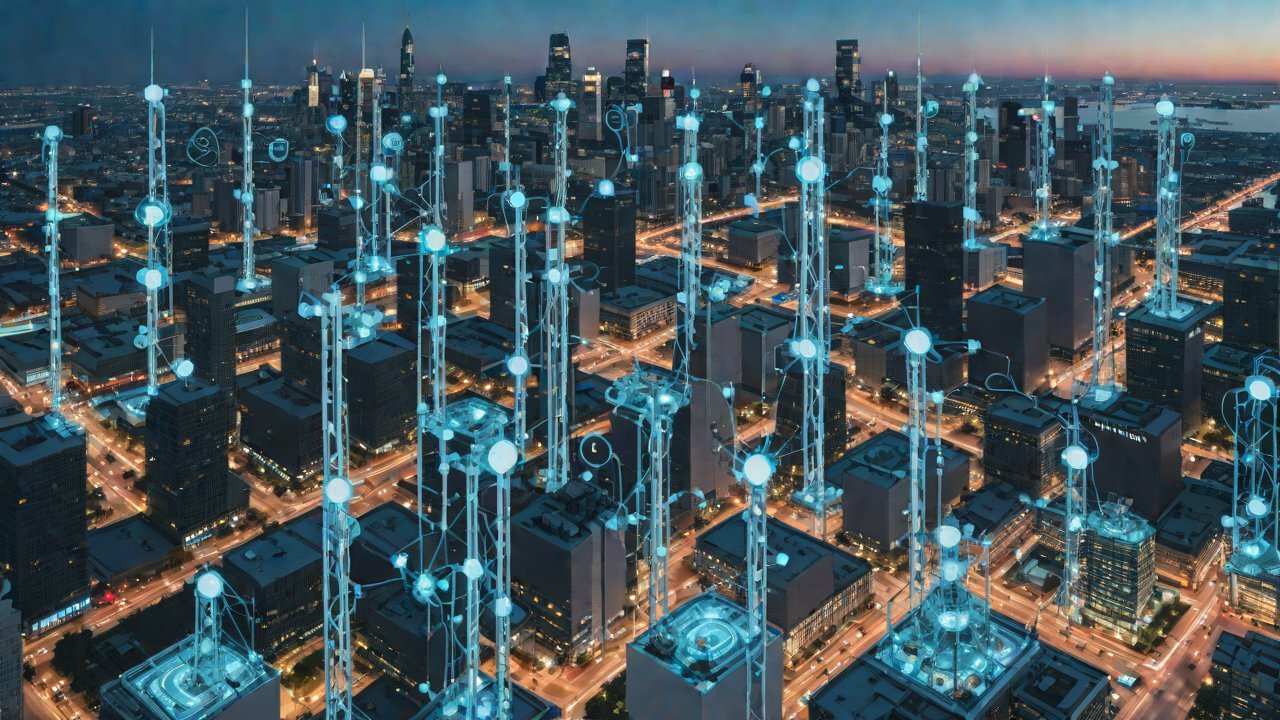
edge computing in the internet of things a 6g perspective
As we stand at the threshold of a new decade, the world of technology is on the cusp of a revolution that will redefine the very fabric of our existence. The Internet of Things (IoT) has already begun to transform the way we live, work, and interact with one another. But as we hurtle towards the 6G era, a new paradigm is emerging – one that will require a fundamental shift in how we approach the processing, storage, and analysis of vast amounts of data. This report will delve into the world of edge computing, a critical component of the IoT ecosystem, and explore its significance in the context of 6G.
1. Edge Computing: A Primer
Edge computing refers to the practice of processing data closer to the source, i.e., at the edge of the network, rather than relying on centralized data centers or cloud-based services. This approach offers several advantages, including reduced latency, improved security, and enhanced real-time processing capabilities. In the context of IoT, edge computing is particularly relevant, as it enables devices to process and analyze data in real-time, without the need for constant connectivity to the cloud.
| Edge Computing Characteristics | Description |
|---|---|
| Decentralized Architecture | Data processing and storage occur at the edge of the network, rather than in a centralized location |
| Real-time Processing | Enables immediate processing and analysis of data, reducing latency and enhancing decision-making capabilities |
| Improved Security | Reduces the risk of data breaches by minimizing the amount of data transmitted to the cloud |
2. IoT and Edge Computing: A Match Made in Heaven
The IoT is comprised of a vast network of interconnected devices, sensors, and systems that generate an unprecedented amount of data. Edge computing is perfectly positioned to address the challenges posed by this data deluge, by processing and analyzing data in real-time, at the edge of the network. This approach enables devices to make decisions and take actions autonomously, without the need for constant connectivity to the cloud.
| IoT Devices | Edge Computing Benefits |
|---|---|
| Smart Homes | Enhanced energy efficiency, improved security, and optimized resource allocation |
| Industrial Sensors | Real-time monitoring, predictive maintenance, and optimized production processes |
| Autonomous Vehicles | Improved safety, enhanced navigation, and optimized route planning |

3. 6G: The Next Generation of Wireless Networks
As we move towards the 6G era, the focus will shift from mere connectivity to the creation of a truly immersive and interactive experience. 6G promises to deliver speeds of up to 1 Tbps, latency as low as 1 ms, and the ability to support a vast number of devices. Edge computing will play a critical role in enabling the 6G vision, by providing the necessary processing and storage capabilities to support the vast amounts of data generated by these networks.
| 6G Key Features | Description |
|---|---|
| Speed | Up to 1 Tbps, enabling seamless and immersive experiences |
| Latency | As low as 1 ms, supporting real-time processing and analysis |
| Device Support | Ability to support a vast number of devices, enabling ubiquitous connectivity |

4. Edge Computing in 6G: A Technical Perspective
From a technical standpoint, edge computing in 6G will be enabled by the widespread adoption of edge computing platforms, such as cloudlets and fog computing. These platforms will provide the necessary infrastructure for edge computing, including processing power, storage, and networking capabilities. The 6G network will also need to support advanced edge computing protocols, such as R-MAC (Radio MAC) and Edge-IP (Edge Internet Protocol).
| Edge Computing Platforms | Description |
|---|---|
| Cloudlets | Small-scale data centers located at the edge of the network, providing processing and storage capabilities |
| Fog Computing | A decentralized computing paradigm that enables processing and analysis of data at the edge of the network |
| R-MAC (Radio MAC) | A protocol that enables efficient and secure data transmission between edge devices and the 6G network |

5. Market Outlook: Edge Computing in the IoT
The market for edge computing in the IoT is expected to grow rapidly, driven by the increasing demand for real-time processing and analysis of data. According to a recent report, the global edge computing market is expected to reach $15.8 billion by 2025, growing at a CAGR of 39.5%. The 6G era will further accelerate this growth, as the need for edge computing capabilities becomes increasingly critical.
| Edge Computing Market Size | Description |
|---|---|
| 2020 | $2.3 billion |
| 2025 | $15.8 billion |
| CAGR | 39.5% |
6. Conclusion
As we embark on the 6G journey, edge computing will play a critical role in enabling the vision of a truly immersive and interactive experience. By processing and analyzing data in real-time, at the edge of the network, edge computing will unlock new levels of efficiency, security, and decision-making capabilities. As the market for edge computing in the IoT continues to grow, it is essential to invest in the necessary infrastructure and technologies to support this vision. The future of technology is bright, and edge computing in 6G is poised to illuminate the path forward.
IOT Cloud Platform
IOT Cloud Platform is an IoT portal established by a Chinese IoT company, focusing on technical solutions in the fields of agricultural IoT, industrial IoT, medical IoT, security IoT, military IoT, meteorological IoT, consumer IoT, automotive IoT, commercial IoT, infrastructure IoT, smart warehousing and logistics, smart home, smart city, smart healthcare, smart lighting, etc.
The IoT Cloud Platform blog is a top IoT technology stack, providing technical knowledge on IoT, robotics, artificial intelligence (generative artificial intelligence AIGC), edge computing, AR/VR, cloud computing, quantum computing, blockchain, smart surveillance cameras, drones, RFID tags, gateways, GPS, 3D printing, 4D printing, autonomous driving, etc.



