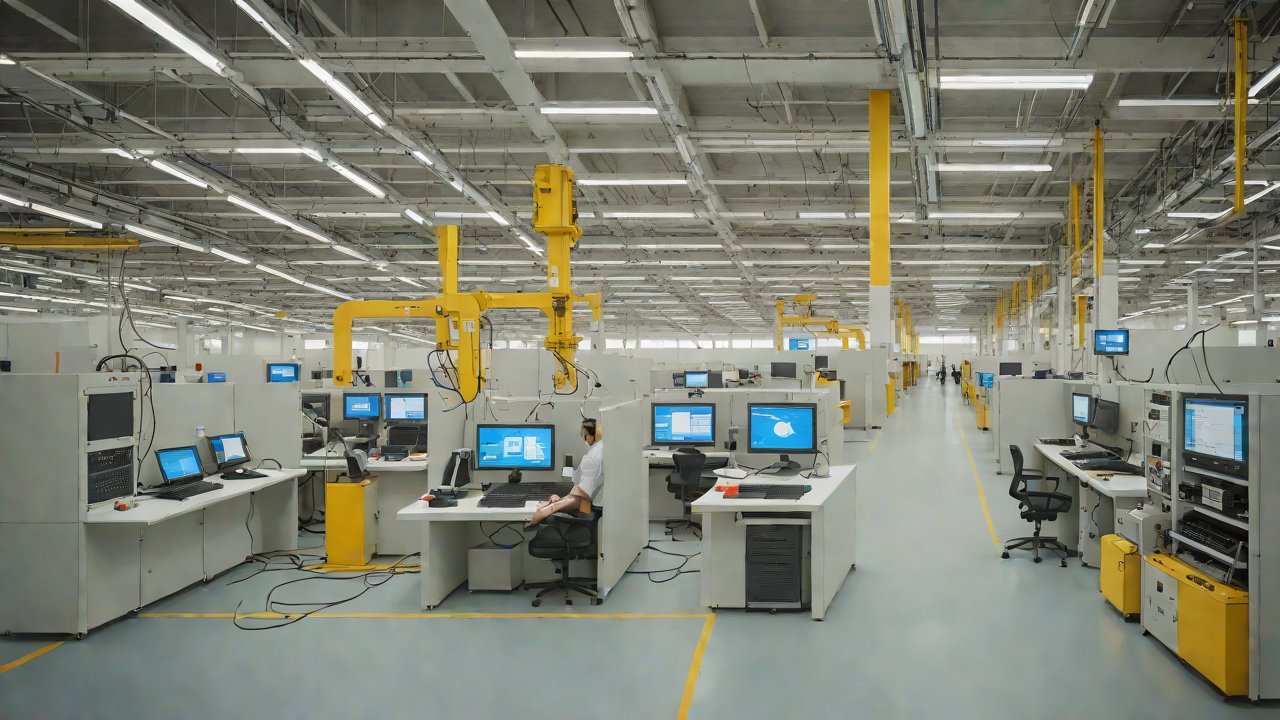
edge computing in industrial internet of things architectureadvances and challenges
Edge computing has emerged as a crucial component in the Industrial Internet of Things (IIoT) architecture, enabling real-time processing and analysis of vast amounts of data generated by industrial sensors and devices. This paradigm shift has transformed the way industries approach data management, enabling faster decision-making, improved operational efficiency, and enhanced product quality. As the IIoT continues to expand, edge computing is poised to play an increasingly vital role in driving digital transformation across various sectors.
1. Edge Computing in IIoT: An Overview
Edge computing refers to the processing and analysis of data at the edge of the network, i.e., near the source of the data, rather than in a centralized cloud or on-premises data center. In the context of IIoT, edge computing enables the processing of data from industrial sensors, devices, and equipment in real-time, reducing latency and improving response times. This approach also enables the reduction of bandwidth requirements, as only processed data is transmitted to the cloud or data center for further analysis.
The IIoT encompasses a wide range of industrial applications, including manufacturing, energy, transportation, and healthcare. Edge computing has been adopted in various industries, including:
- Predictive maintenance: Edge computing enables real-time monitoring of equipment and machinery, predicting potential failures and reducing downtime.
- Quality control: Edge computing enables real-time analysis of product quality, ensuring consistency and reducing defects.
- Supply chain optimization: Edge computing enables real-time tracking of inventory, improving supply chain efficiency and reducing costs.
2. Advantages of Edge Computing in IIoT
Edge computing offers several advantages in IIoT architecture, including:
| Advantage | Description |
|---|---|
| Real-time processing | Enables real-time processing and analysis of data, reducing latency and improving response times. |
| Reduced bandwidth requirements | Only processed data is transmitted to the cloud or data center, reducing bandwidth requirements. |
| Improved security | Data is processed and analyzed at the edge, reducing the risk of data breaches and cyber attacks. |
| Enhanced decision-making | Enables faster decision-making, based on real-time data analysis and insights. |
| Increased efficiency | Enables improved operational efficiency, reducing downtime and improving product quality. |
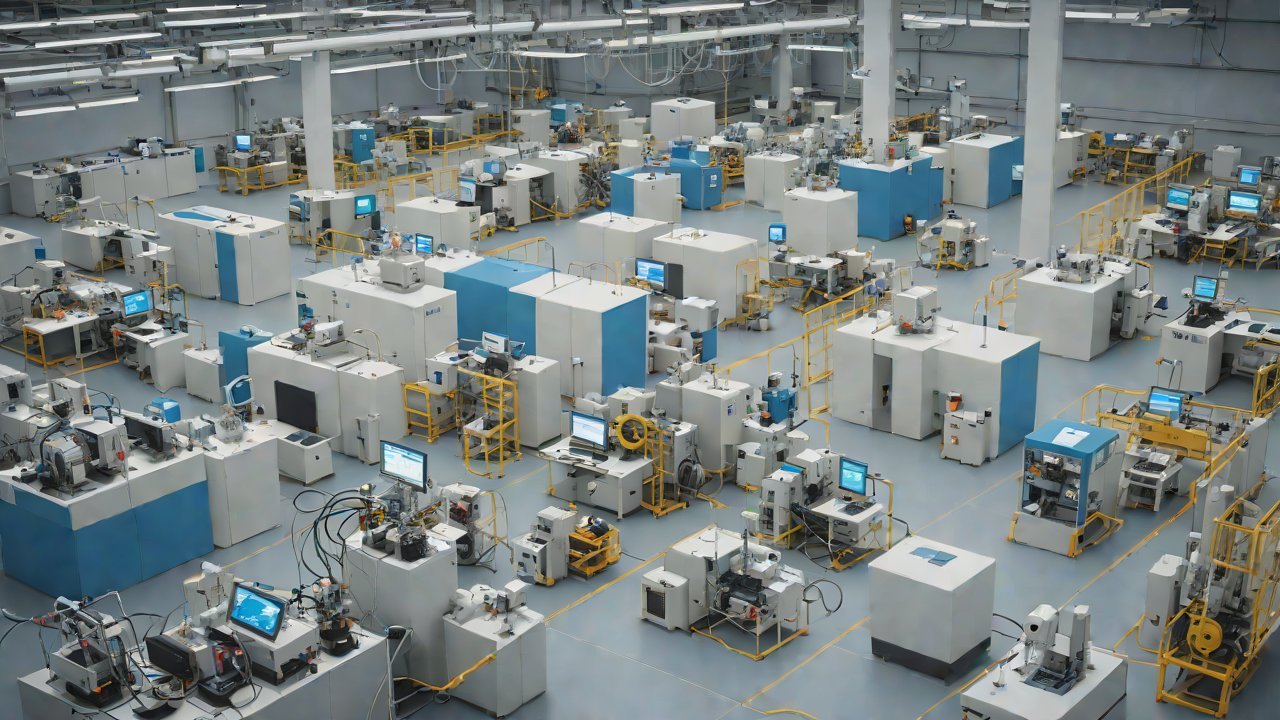
3. Challenges in Implementing Edge Computing in IIoT
Despite the advantages of edge computing in IIoT, several challenges need to be addressed, including:
- Complexity: Edge computing requires the integration of multiple technologies, including sensors, devices, and networks.
- Scalability: Edge computing requires the ability to scale with growing data volumes and increasing complexity.
- Security: Edge computing requires robust security measures to protect against data breaches and cyber attacks.
- Interoperability: Edge computing requires the ability to integrate with existing systems and technologies.
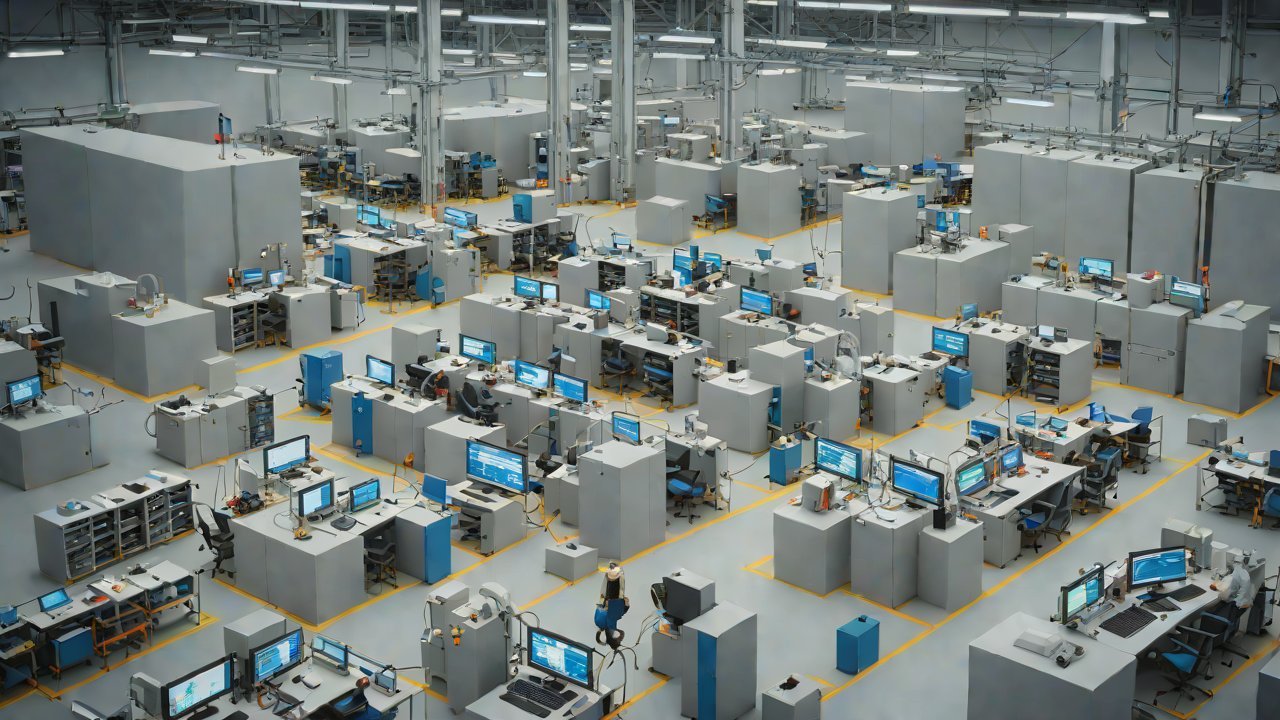
4. Emerging Trends in Edge Computing in IIoT
Several emerging trends are driving the adoption of edge computing in IIoT, including:
- 5G networks: The advent of 5G networks is enabling faster and more reliable data transmission, supporting the growth of edge computing.
- Artificial intelligence (AI) and machine learning (ML): AI and ML are being used to enhance edge computing, enabling real-time data analysis and insights.
- Internet of Bodies (IoB): The IoB is a growing trend, where devices and sensors are being integrated into the human body, requiring edge computing for real-time processing and analysis.
5. Market Growth and Adoption
The market for edge computing in IIoT is expected to grow significantly, driven by the increasing adoption of industrial IoT applications. According to a recent report, the global edge computing market is expected to reach $12.6 billion by 2025, growing at a CAGR of 43.1% during the forecast period.
| Market Segment | 2020 | 2025 | CAGR (2020-2025) |
|---|---|---|---|
| Industrial IoT | $4.5 billion | $12.6 billion | 43.1% |
| Cloud | $2.5 billion | $6.3 billion | 32.1% |
| On-premises | $1.5 billion | $3.5 billion | 24.5% |
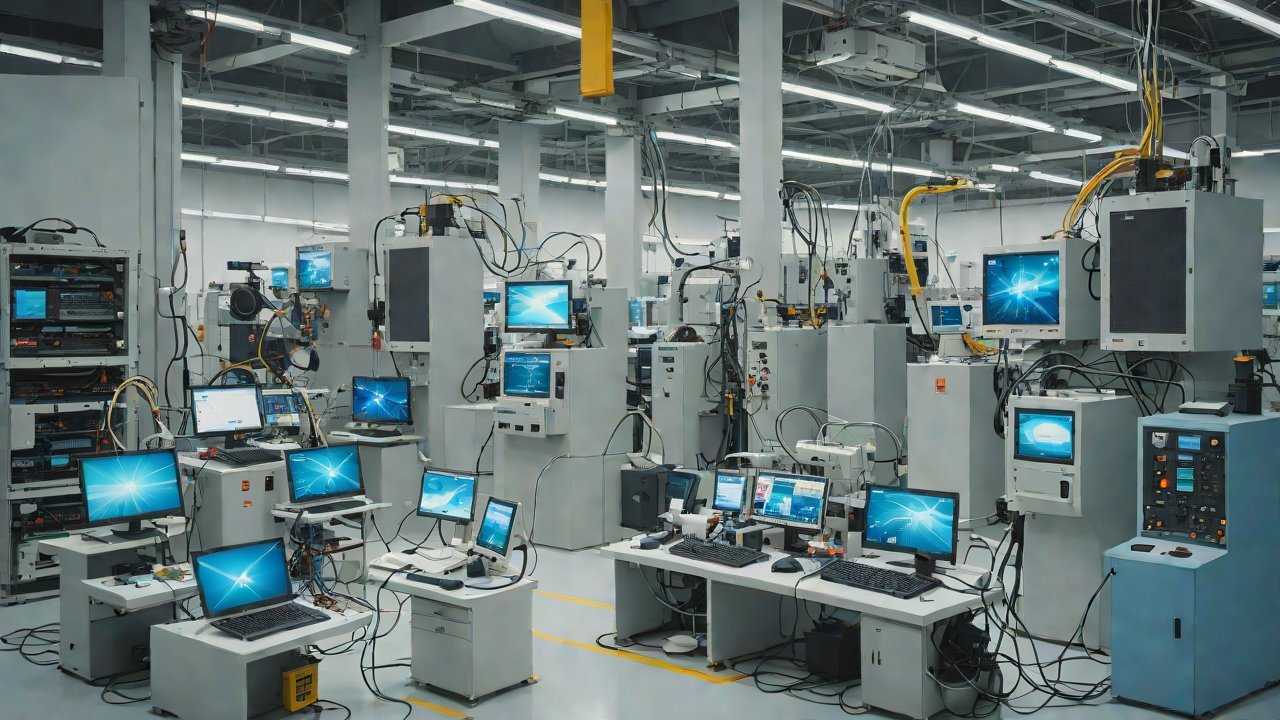
6. Conclusion
Edge computing is a crucial component in IIoT architecture, enabling real-time processing and analysis of vast amounts of data generated by industrial sensors and devices. The advantages of edge computing, including real-time processing, reduced bandwidth requirements, and improved security, are driving its adoption across various industries. However, challenges such as complexity, scalability, and security need to be addressed. Emerging trends, including 5G networks, AI and ML, and IoB, are driving the growth of edge computing in IIoT. The market is expected to grow significantly, driven by the increasing adoption of industrial IoT applications.
IOT Cloud Platform
IOT Cloud Platform is an IoT portal established by a Chinese IoT company, focusing on technical solutions in the fields of agricultural IoT, industrial IoT, medical IoT, security IoT, military IoT, meteorological IoT, consumer IoT, automotive IoT, commercial IoT, infrastructure IoT, smart warehousing and logistics, smart home, smart city, smart healthcare, smart lighting, etc.
The IoT Cloud Platform blog is a top IoT technology stack, providing technical knowledge on IoT, robotics, artificial intelligence (generative artificial intelligence AIGC), edge computing, AR/VR, cloud computing, quantum computing, blockchain, smart surveillance cameras, drones, RFID tags, gateways, GPS, 3D printing, 4D printing, autonomous driving, etc.



