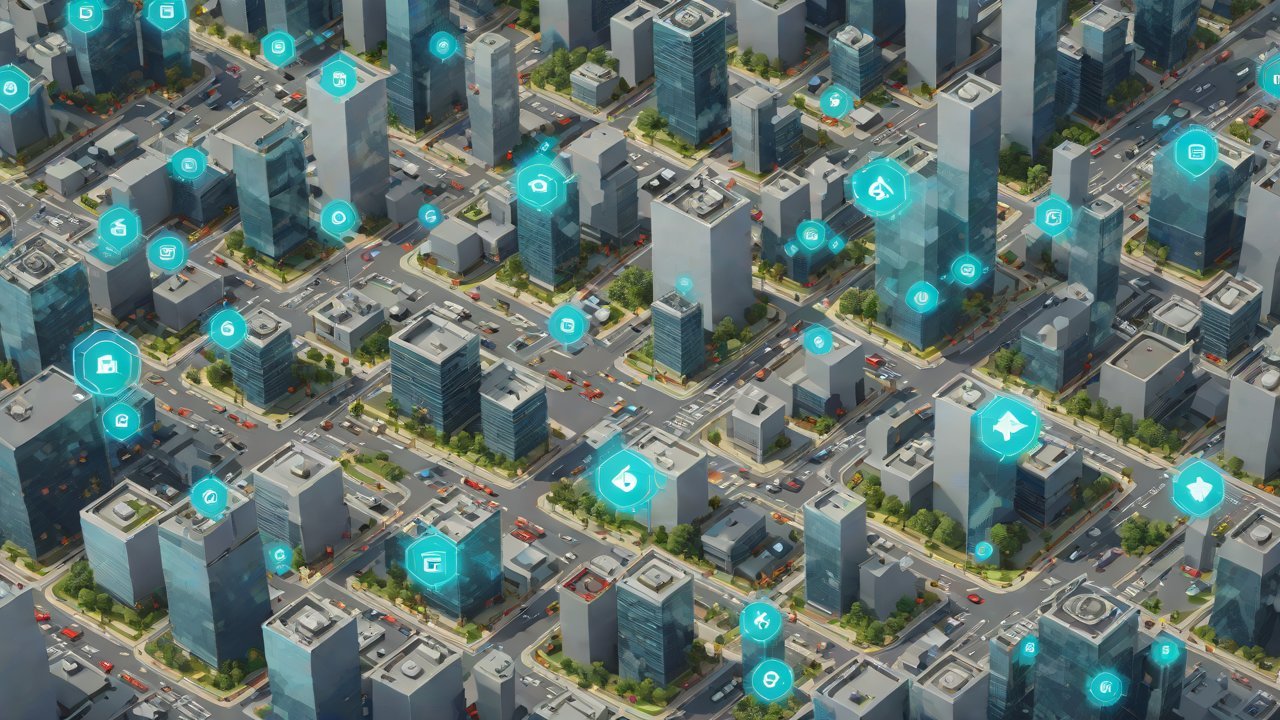
edge computing for the internet of things a case study
Edge computing is revolutionizing the Internet of Things (IoT) landscape by providing a decentralized, faster, and more efficient way to process and analyze data generated by IoT devices. As the number of IoT devices continues to grow exponentially, the need for edge computing has become more pronounced. Edge computing is not just a technological advancement; it’s a strategic imperative for businesses and organizations looking to harness the full potential of IoT.
The edge computing market is expected to reach $14.1 billion by 2028, growing at a CAGR of 31.4%. This rapid growth is driven by the increasing adoption of IoT devices, the need for real-time data processing, and the emergence of new use cases such as smart cities, industrial automation, and autonomous vehicles. Edge computing is not just a solution for IoT; it’s a catalyst for innovation and a key enabler of digital transformation.
1. Edge Computing Architecture
Edge computing architecture is designed to process data closer to the source, reducing latency and improving real-time processing capabilities. The edge computing architecture consists of three primary components:
| Component | Description |
|---|---|
| Edge Devices | These are the IoT devices that generate data, such as sensors, cameras, and microcontrollers. |
| Edge Gateways | These are the devices that connect edge devices to the cloud or other networks, providing a bridge between the edge and the cloud. |
| Edge Servers | These are the data processing and storage devices that reside at the edge, providing real-time processing and analytics capabilities. |
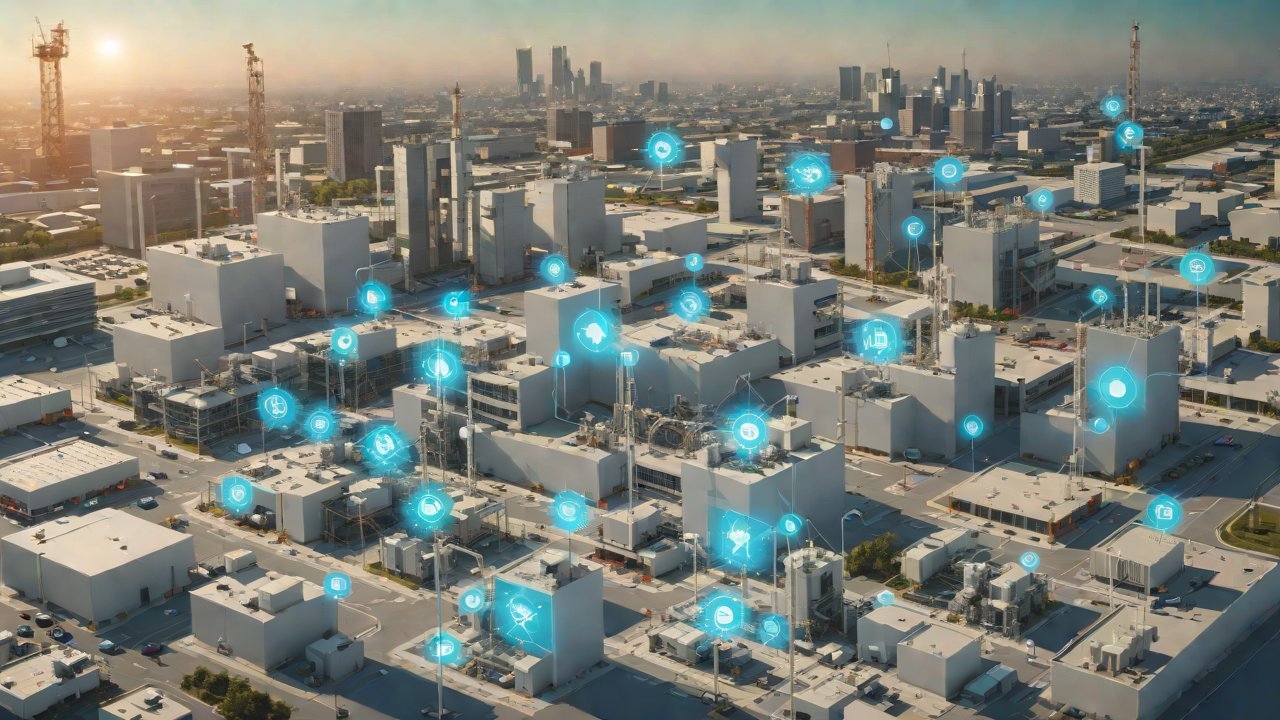
The edge computing architecture is designed to be modular, scalable, and flexible, allowing businesses to deploy edge computing solutions in a variety of settings, from industrial automation to smart cities.
2. IoT Use Cases for Edge Computing
Edge computing is being adopted in a variety of IoT use cases, including:
- Industrial Automation: Edge computing is being used in industrial automation to monitor and control equipment, predict maintenance needs, and optimize production processes.
- Smart Cities: Edge computing is being used in smart cities to monitor and manage traffic flow, energy consumption, and waste management.
- Autonomous Vehicles: Edge computing is being used in autonomous vehicles to process sensor data, make real-time decisions, and ensure safety.
- Predictive Maintenance: Edge computing is being used in predictive maintenance to monitor equipment health, predict failures, and reduce downtime.
These use cases demonstrate the potential of edge computing to transform industries and improve operational efficiency.
3. Benefits of Edge Computing for IoT
Edge computing provides a range of benefits for IoT, including:
- Reduced Latency: Edge computing reduces latency by processing data closer to the source, reducing the time it takes to process and analyze data.
- Improved Real-Time Processing: Edge computing enables real-time processing and analytics, allowing businesses to make informed decisions quickly.
- Increased Security: Edge computing provides an additional layer of security by processing data locally, reducing the risk of data breaches and cyber attacks.
- Reduced Bandwidth: Edge computing reduces bandwidth requirements by processing data locally, reducing the need for data transmission.
These benefits demonstrate the potential of edge computing to transform IoT and improve operational efficiency.
4. Market Trends and Challenges
The edge computing market is expected to grow rapidly in the coming years, driven by increasing adoption of IoT devices and the need for real-time data processing. However, the market is also facing several challenges, including:
- Scalability: Edge computing solutions need to be scalable to meet the growing demands of IoT devices.
- Security: Edge computing solutions need to provide robust security features to protect against data breaches and cyber attacks.
- Interoperability: Edge computing solutions need to be interoperable with existing systems and infrastructure.
- Cost: Edge computing solutions need to be cost-effective to be adopted widely.
These challenges demonstrate the need for innovation and investment in edge computing solutions.
5. Case Study: Industrial Automation
Industrial automation is one of the key use cases for edge computing, where edge computing is being used to monitor and control equipment, predict maintenance needs, and optimize production processes. A case study of industrial automation using edge computing is provided below:
| Case Study | Description |
|---|---|
| Industry | Manufacturing |
| Equipment | Industrial machinery |
| Edge Devices | Sensors, cameras, and microcontrollers |
| Edge Gateways | Industrial gateways |
| Edge Servers | Industrial servers |
| Benefits | Reduced downtime, improved productivity, and increased efficiency |
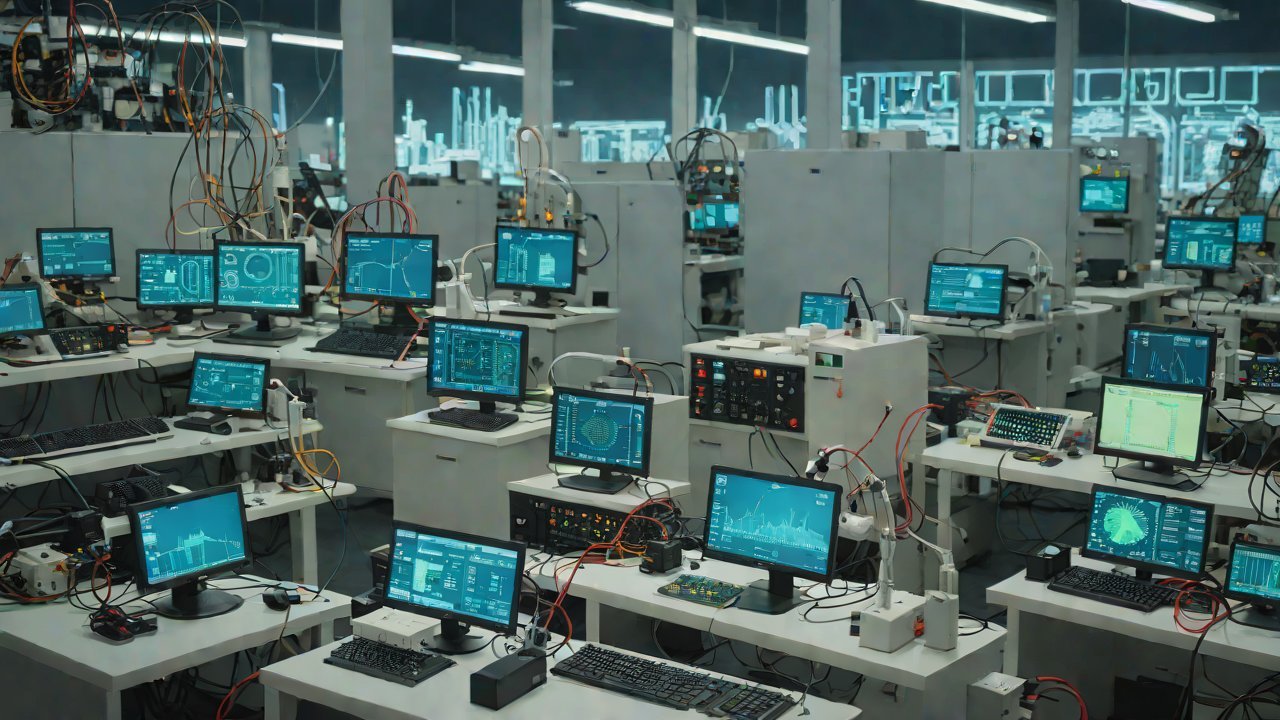
This case study demonstrates the potential of edge computing to transform industrial automation and improve operational efficiency.
6. Conclusion
Edge computing is revolutionizing the IoT landscape by providing a decentralized, faster, and more efficient way to process and analyze data generated by IoT devices. The edge computing market is expected to reach $14.1 billion by 2028, growing at a CAGR of 31.4%. Edge computing is not just a technological advancement; it’s a strategic imperative for businesses and organizations looking to harness the full potential of IoT. The benefits of edge computing for IoT include reduced latency, improved real-time processing, increased security, and reduced bandwidth. However, the market is also facing several challenges, including scalability, security, interoperability, and cost. A case study of industrial automation using edge computing demonstrates the potential of edge computing to transform industries and improve operational efficiency.
IOT Cloud Platform
IOT Cloud Platform is an IoT portal established by a Chinese IoT company, focusing on technical solutions in the fields of agricultural IoT, industrial IoT, medical IoT, security IoT, military IoT, meteorological IoT, consumer IoT, automotive IoT, commercial IoT, infrastructure IoT, smart warehousing and logistics, smart home, smart city, smart healthcare, smart lighting, etc.
The IoT Cloud Platform blog is a top IoT technology stack, providing technical knowledge on IoT, robotics, artificial intelligence (generative artificial intelligence AIGC), edge computing, AR/VR, cloud computing, quantum computing, blockchain, smart surveillance cameras, drones, RFID tags, gateways, GPS, 3D printing, 4D printing, autonomous driving, etc.



