edge computing driven internet of things a survey
The proliferation of connected devices has given rise to a new paradigm in the way we perceive and interact with the physical world. The Internet of Things (IoT), now a ubiquitous term, has become synonymous with the vast network of interconnected devices that facilitate data exchange and processing at an unprecedented scale. However, as the IoT continues to grow, it has become increasingly apparent that the traditional cloud-centric approach to data processing is no longer sufficient to meet the evolving needs of this ecosystem. This is where edge computing comes into play, promising to revolutionize the way data is processed, analyzed, and acted upon in real-time.
Edge computing, in essence, refers to the practice of processing data closer to the source, reducing latency, and enhancing real-time decision-making capabilities. By moving compute resources closer to the edge of the network, edge computing enables the efficient processing of IoT-generated data, reducing the need for extensive data transmission to the cloud or data centers. This shift in paradigm is not only crucial for the scalability and sustainability of the IoT but also for unlocking new business models and revenue streams.
1. The Rise of IoT and the Need for Edge Computing
The IoT landscape has witnessed exponential growth in recent years, with estimates suggesting that the number of connected devices will reach 75 billion by 2025. This proliferation of devices has created an enormous amount of data, much of which is generated in real-time. The traditional cloud-centric approach to data processing, while effective for some applications, faces significant challenges in handling the sheer volume and velocity of IoT-generated data. Edge computing offers a solution by enabling data processing at the edge of the network, reducing latency, and enhancing the real-time analysis of IoT data.
1.1. Challenges with Cloud-Centric Approach
The cloud-centric approach to IoT data processing has several drawbacks, including:
| Challenge | Description |
|---|---|
| Latency | High latency due to the distance between the IoT device and the cloud, affecting real-time decision-making. |
| Bandwidth | High bandwidth requirements for transmitting large volumes of data from IoT devices to the cloud. |
| Cost | High costs associated with data transmission, storage, and processing in the cloud. |
| Security | Increased risk of data breaches and cyber attacks due to the exposure of IoT devices to the internet. |

2. Edge Computing: A Solution to the Challenges of IoT
Edge computing addresses the challenges of the cloud-centric approach by processing data closer to the source, reducing latency, and enhancing real-time decision-making capabilities. The key benefits of edge computing include:
| Benefit | Description |
|---|---|
| Reduced Latency | Real-time processing and decision-making capabilities due to reduced latency. |
| Improved Security | Enhanced security through the reduction of data transmission and exposure of IoT devices to the internet. |
| Increased Efficiency | Efficient processing of IoT-generated data, reducing the need for extensive data transmission to the cloud or data centers. |
3. Applications and Use Cases of Edge Computing in IoT
Edge computing has a wide range of applications and use cases in the IoT landscape, including:
3.1. Industrial IoT
Edge computing is particularly relevant in the Industrial IoT (IIoT) context, where real-time monitoring and control of industrial processes are critical. Applications include:
| Application | Description |
|---|---|
| Predictive Maintenance | Predictive maintenance of industrial equipment through real-time monitoring and analysis of sensor data. |
| Quality Control | Real-time quality control of industrial products through edge-based processing of sensor data. |

3.2. Smart Cities
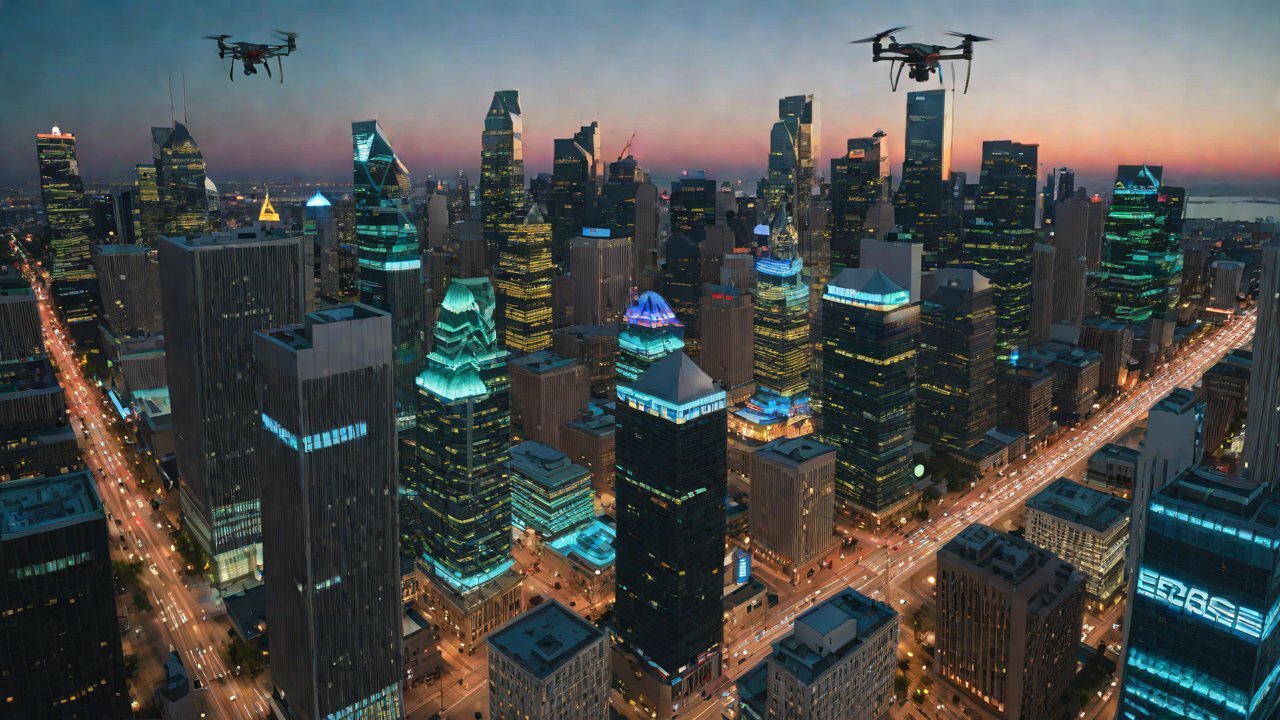
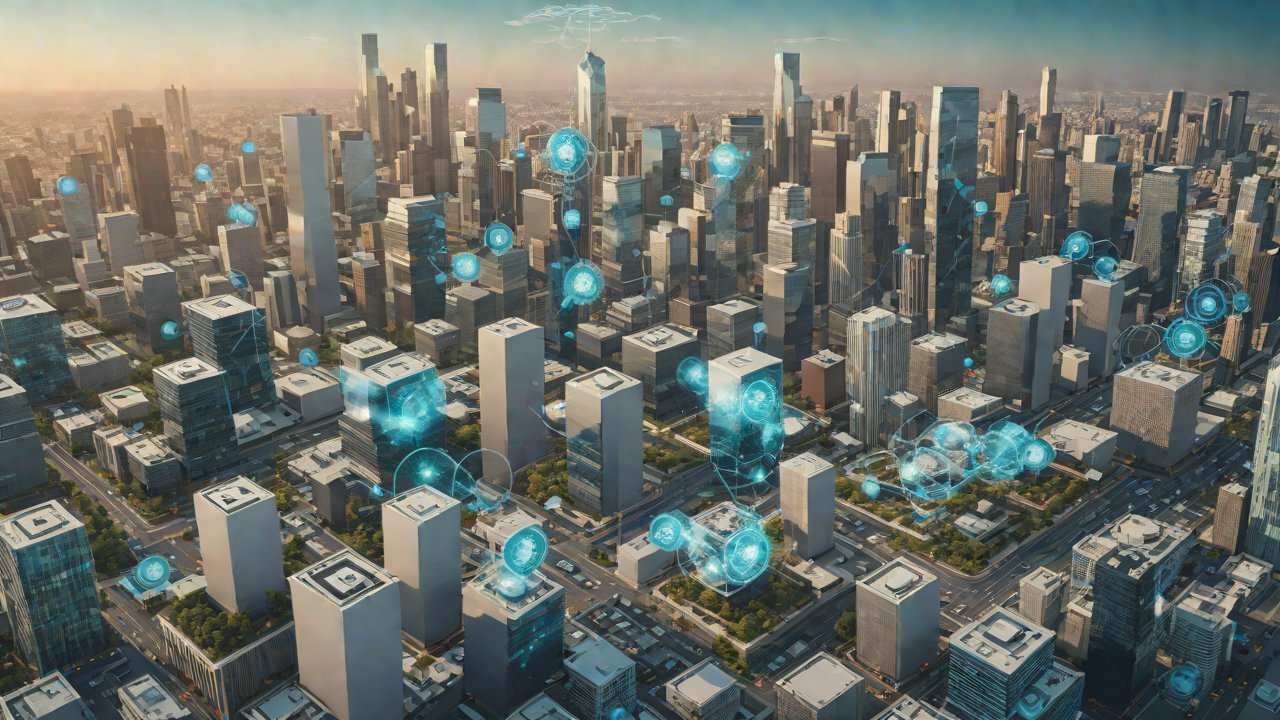
Edge computing is also crucial in the context of smart cities, where real-time monitoring and analysis of sensor data are essential for optimizing urban services and infrastructure. Applications include:
| Application | Description |
|---|---|
| Traffic Management | Real-time traffic management through edge-based processing of sensor data from traffic cameras and sensors. |
| Energy Management | Real-time energy management through edge-based processing of sensor data from smart meters and energy sensors. |
4. Market Trends and Outlook
The market for edge computing in the IoT landscape is expected to grow significantly in the coming years, driven by the increasing adoption of IoT devices and the need for real-time data processing and analysis. Key market trends and outlook include:
4.1. Market Size and Growth
The market for edge computing in IoT is expected to reach $10.4 billion by 2025, growing at a CAGR of 42.1% from 2020 to 2025.
4.2. Key Players and Market Share
The key players in the edge computing market for IoT include:
| Company | Market Share |
|---|---|
| Amazon Web Services (AWS) | 24.1% |
| Microsoft Azure | 20.5% |
| Google Cloud Platform | 17.3% |
5. Conclusion
Edge computing has emerged as a critical component of the IoT ecosystem, enabling real-time data processing and analysis, reducing latency, and enhancing security. The market for edge computing in IoT is expected to grow significantly in the coming years, driven by the increasing adoption of IoT devices and the need for real-time data processing and analysis. As the IoT landscape continues to evolve, edge computing is likely to play an increasingly important role in unlocking new business models and revenue streams.
IOT Cloud Platform
IOT Cloud Platform is an IoT portal established by a Chinese IoT company, focusing on technical solutions in the fields of agricultural IoT, industrial IoT, medical IoT, security IoT, military IoT, meteorological IoT, consumer IoT, automotive IoT, commercial IoT, infrastructure IoT, smart warehousing and logistics, smart home, smart city, smart healthcare, smart lighting, etc.
The IoT Cloud Platform blog is a top IoT technology stack, providing technical knowledge on IoT, robotics, artificial intelligence (generative artificial intelligence AIGC), edge computing, AR/VR, cloud computing, quantum computing, blockchain, smart surveillance cameras, drones, RFID tags, gateways, GPS, 3D printing, 4D printing, autonomous driving, etc.