edge computing architectures for internet of things applications asurvey
Edge computing architectures have emerged as a crucial component in the Internet of Things (IoT) ecosystem, bridging the gap between the vast amounts of data generated by IoT devices and the need for real-time processing and analysis. By processing data closer to the source, edge computing reduces latency, conserves bandwidth, and enhances overall system efficiency. This report delves into the various edge computing architectures designed for IoT applications, examining their characteristics, advantages, and challenges.
1. Edge Computing Architectures for IoT
Edge computing involves deploying computing resources closer to the edge of the network, where IoT devices are located. This approach contrasts with traditional cloud computing, where data is processed in centralized data centers. The key architectural components of edge computing for IoT include:
1.1. Edge Gateways
Edge gateways serve as the interface between IoT devices and the cloud or core network. They manage data transmission, perform basic analytics, and ensure secure communication. Edge gateways can be hardware-based (e.g., Raspberry Pi) or software-based (e.g., containerized applications).
| Edge Gateway Type | Characteristics | Advantages | Challenges |
|---|---|---|---|
| Hardware-Based | Dedicated hardware, low latency | High performance, secure | High cost, inflexible |
| Software-Based | Virtualized applications, low overhead | Cost-effective, flexible | Dependent on network resources |
1.2. Edge Servers
Edge servers are more powerful than edge gateways, capable of processing complex tasks and storing data. They are often deployed in data centers or edge locations, serving as a hub for multiple IoT devices. Edge servers can be bare-metal servers or virtualized environments.
| Edge Server Type | Characteristics | Advantages | Challenges |
|---|---|---|---|
| Bare-Metal Servers | Dedicated hardware, high performance | High processing power, low latency | High cost, inflexible |
| Virtualized Environments | Shared resources, efficient use | Cost-effective, flexible | Dependent on network resources, potential for security risks |
1.3. Edge Clouds
Edge clouds are a more recent development in edge computing, offering a cloud-like experience at the edge of the network. They provide a scalable and on-demand infrastructure for IoT devices, enabling real-time processing and analytics.
| Edge Cloud Type | Characteristics | Advantages | Challenges |
|---|---|---|---|
| Public Edge Clouds | Shared resources, pay-as-you-go | Scalable, flexible, low cost | Security concerns, potential for vendor lock-in |
| Private Edge Clouds | Dedicated resources, secure | High security, customized | High cost, inflexible |
2. IoT Edge Computing Use Cases
Edge computing architectures are applicable in various IoT scenarios, including:
2.1. Industrial Automation
Edge computing enables real-time monitoring and control of industrial equipment, improving efficiency and reducing downtime.
| Use Case | Edge Computing Benefits | Challenges |
|---|---|---|
| Predictive Maintenance | Reduced downtime, increased efficiency | High cost of edge devices, data management complexities |
| Quality Control | Real-time monitoring, improved product quality | Data accuracy, edge device reliability |
2.2. Smart Cities
Edge computing supports the development of smart cities by managing and analyzing data from various IoT sensors and devices.
| Use Case | Edge Computing Benefits | Challenges |
|---|---|---|
| Traffic Management | Real-time traffic monitoring, optimized routing | Data integration, edge device deployment |
| Energy Management | Efficient energy consumption, reduced waste | Data accuracy, edge device reliability |
2.3. Healthcare
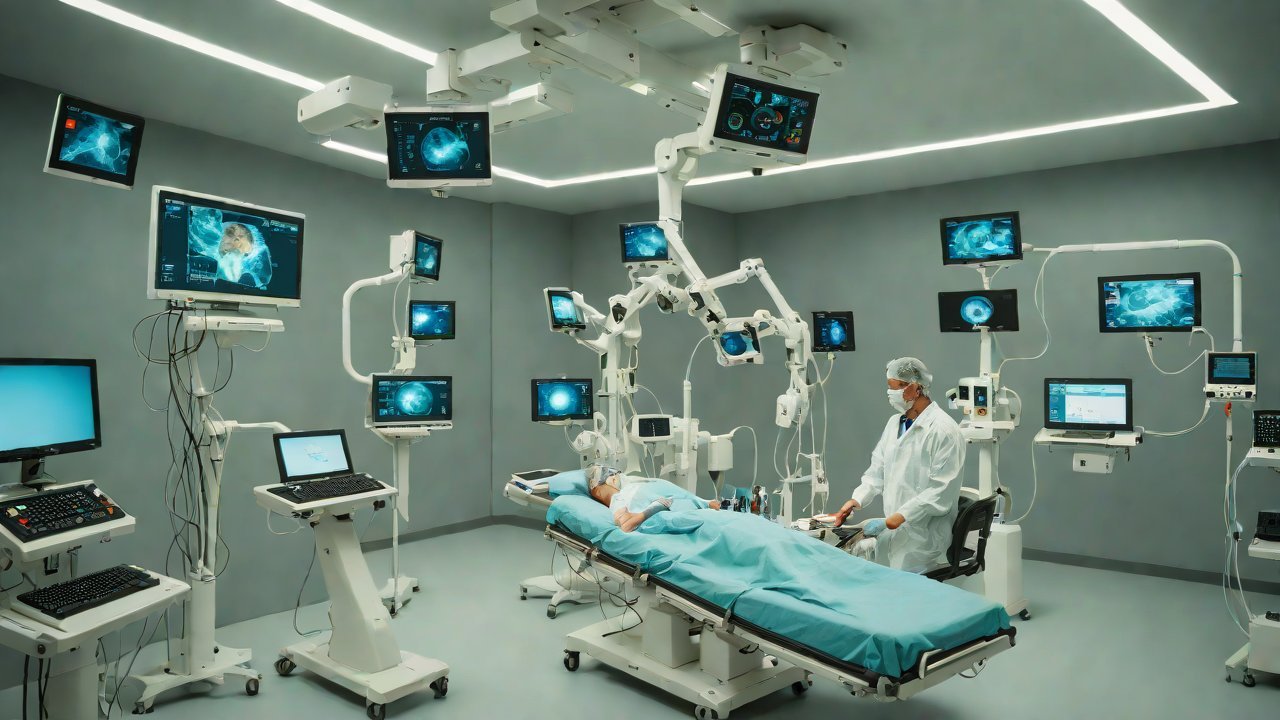
Edge computing enables the deployment of medical devices and sensors, improving patient care and outcomes.
| Use Case | Edge Computing Benefits | Challenges |
|---|---|---|
| Remote Patient Monitoring | Real-time patient data, improved care | Data security, edge device reliability |
| Medical Imaging | Efficient image processing, improved diagnosis | High-performance edge devices, data management complexities |
3. Edge Computing Challenges and Future Directions
While edge computing architectures offer numerous benefits for IoT applications, several challenges and future directions require attention:
3.1. Security and Data Management
Edge devices and edge clouds must ensure secure data transmission and storage, addressing concerns around data ownership, privacy, and security.
3.2. Scalability and Flexibility
Edge computing architectures must be scalable and flexible to accommodate the growing number of IoT devices and applications.
3.3. Standardization and Interoperability
Industry-wide standardization and interoperability of edge computing architectures are essential for seamless integration and data exchange.
3.4. Energy Efficiency and Sustainability
Edge computing devices must be energy-efficient and sustainable, minimizing their environmental impact and operational costs.
In conclusion, edge computing architectures for IoT applications are a rapidly evolving field, with numerous architectural components, use cases, and challenges. As the IoT ecosystem continues to grow, edge computing will play a crucial role in bridging the gap between data generation and processing, enabling real-time insights, and driving innovation.
IOT Cloud Platform
IOT Cloud Platform is an IoT portal established by a Chinese IoT company, focusing on technical solutions in the fields of agricultural IoT, industrial IoT, medical IoT, security IoT, military IoT, meteorological IoT, consumer IoT, automotive IoT, commercial IoT, infrastructure IoT, smart warehousing and logistics, smart home, smart city, smart healthcare, smart lighting, etc.
The IoT Cloud Platform blog is a top IoT technology stack, providing technical knowledge on IoT, robotics, artificial intelligence (generative artificial intelligence AIGC), edge computing, AR/VR, cloud computing, quantum computing, blockchain, smart surveillance cameras, drones, RFID tags, gateways, GPS, 3D printing, 4D printing, autonomous driving, etc.