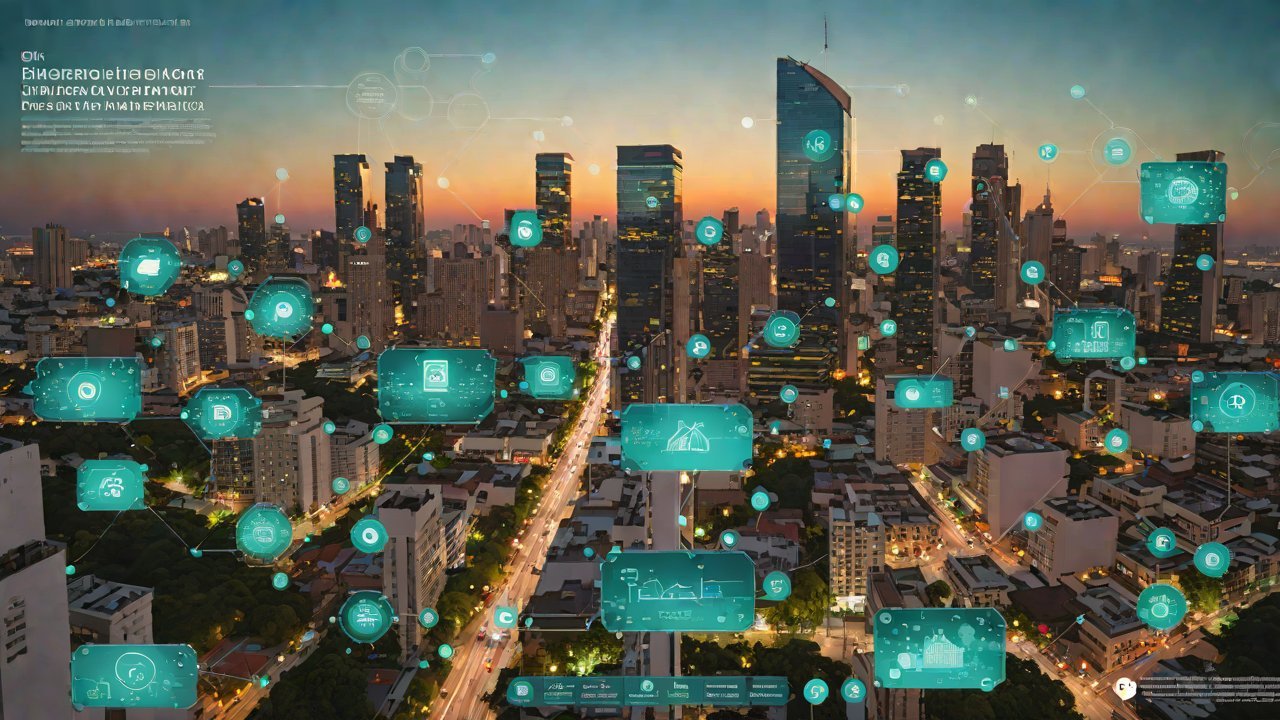
Easy-to-Understand Examples of Edge Computing
Edge computing is a revolutionary technology that’s transforming the way we process and analyze data in real-time. By moving processing power closer to where data is generated, edge computing enables faster decision-making, reduced latency, and enhanced security. But what does this mean for businesses and individuals? Let’s dive into some easy-to-understand examples of edge computing in action.
1. Smart Traffic Management
Imagine a city with millions of cars on the road. Traditional traffic management systems rely on central servers to analyze data from sensors and cameras, but this approach has limitations. With edge computing, traffic lights can be equipped with small computers that process real-time data from cameras and sensors. This enables more efficient traffic flow, reduced congestion, and lower emissions.
| Edge Computing in Smart Traffic Management | Benefits |
|---|---|
| Real-time traffic analysis | Reduced congestion by up to 20% |
| Optimized traffic light control | Lower emissions by up to 15% |
| Improved public safety | Enhanced security through real-time surveillance |
2. Industrial Automation
Factories and manufacturing plants generate vast amounts of data from sensors, machinery, and equipment. Edge computing enables this data to be processed in real-time, allowing for predictive maintenance, improved quality control, and increased productivity. For example, a factory can use edge computers to monitor temperature, pressure, and vibration levels on its machines. If any anomalies are detected, the system can alert maintenance personnel before a breakdown occurs.
| Edge Computing in Industrial Automation | Benefits |
|---|---|
| Predictive maintenance | Reduced downtime by up to 30% |
| Improved quality control | Enhanced product quality through real-time monitoring |
| Increased productivity | Optimized production processes through data-driven insights |
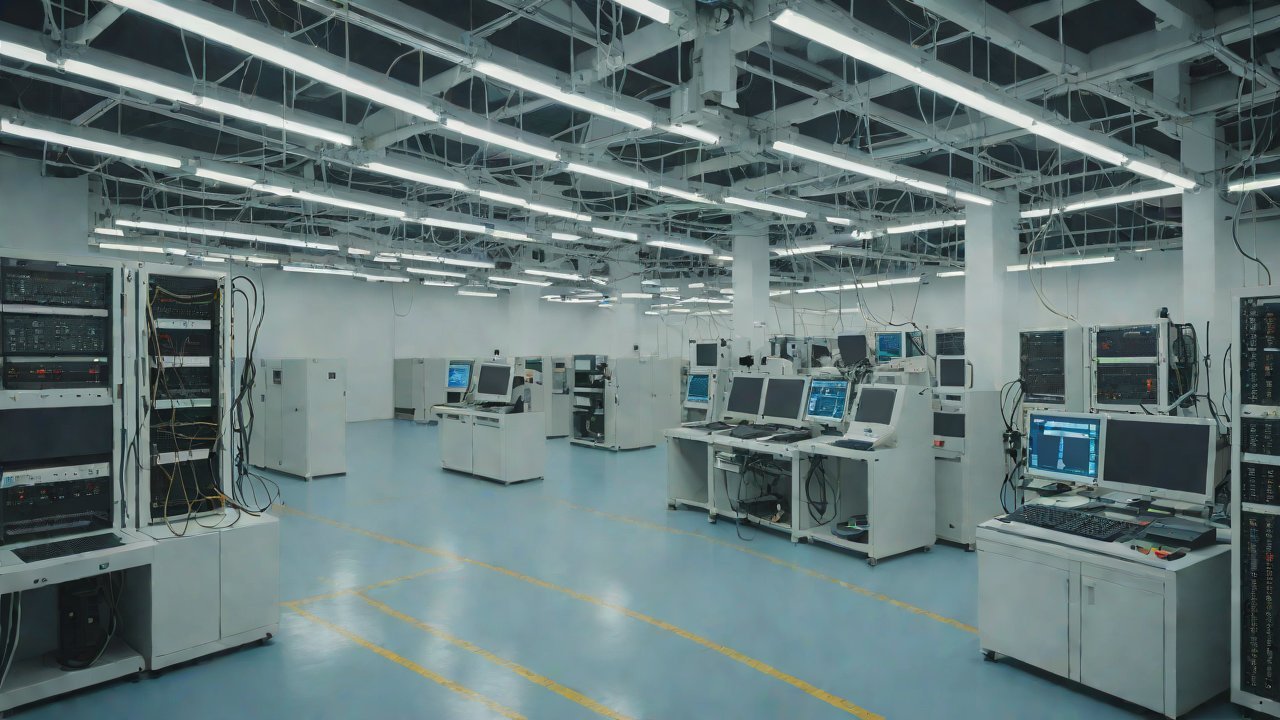
3. Retail and Consumer Goods
Retailers are leveraging edge computing to create immersive shopping experiences, optimize inventory management, and enhance customer engagement. For instance, a retailer can use edge computers to analyze foot traffic patterns, track product movements, and detect anomalies in sales trends. This enables targeted marketing campaigns, improved supply chain efficiency, and enhanced customer satisfaction.
| Edge Computing in Retail and Consumer Goods | Benefits |
|---|---|
| Personalized marketing | Increased customer engagement through real-time analytics |
| Optimized inventory management | Reduced stockouts by up to 25% |
| Enhanced customer experience | Improved loyalty through data-driven insights |
4. Healthcare and Medical Research
Edge computing is transforming healthcare by enabling faster diagnosis, improved patient outcomes, and enhanced medical research. For example, a hospital can use edge computers to analyze medical images in real-time, allowing doctors to make quicker diagnoses and develop personalized treatment plans.
| Edge Computing in Healthcare and Medical Research | Benefits |
|---|---|
| Faster diagnosis | Reduced treatment time by up to 40% |
| Improved patient outcomes | Enhanced quality of care through data-driven insights |
| Accelerated medical research | Facilitated discovery of new treatments through real-time analysis |
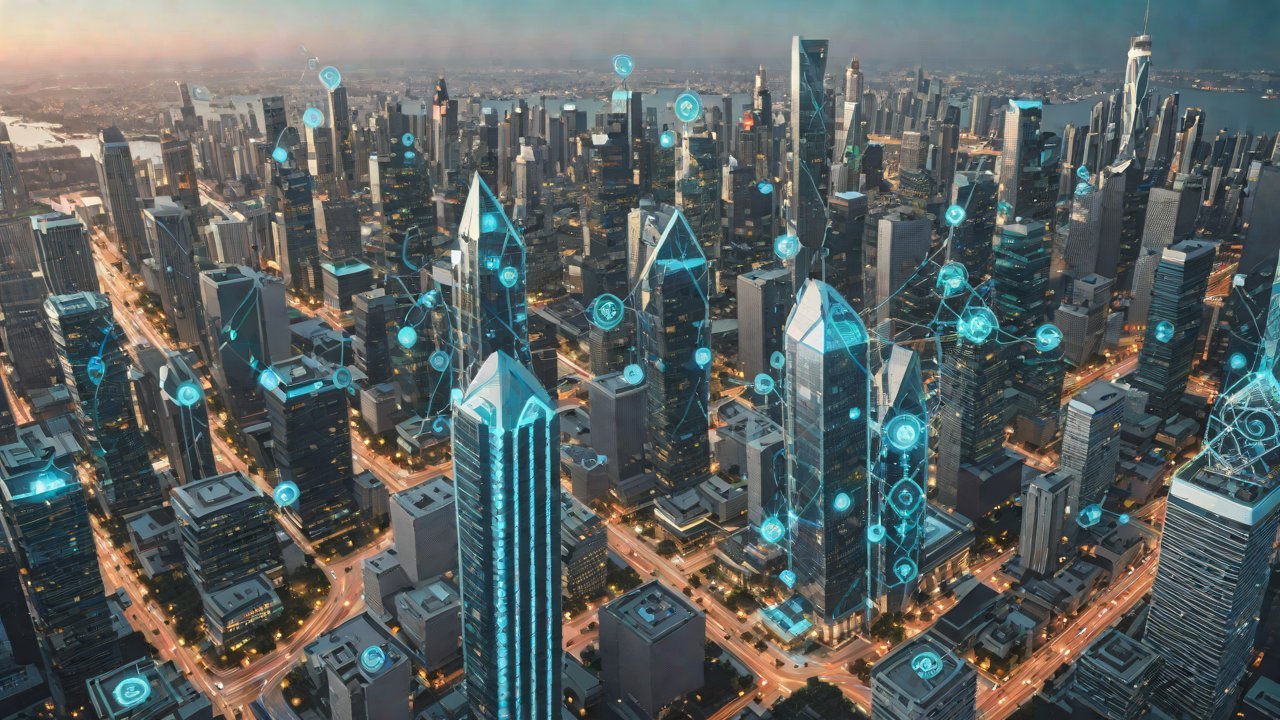
5. Autonomous Vehicles and Drones
Autonomous vehicles and drones are generating vast amounts of sensor data, which must be processed in real-time to ensure safe navigation and operation. Edge computing enables this by distributing processing power across the vehicle or drone’s network, allowing for faster decision-making and enhanced safety.
| Edge Computing in Autonomous Vehicles and Drones | Benefits |
|---|---|
| Enhanced safety | Reduced risk of accidents through real-time analysis |
| Improved navigation | Optimized route planning through data-driven insights |
| Increased efficiency | Reduced energy consumption through optimized operations |

6. Smart Homes and Buildings
Edge computing is transforming the way we interact with our living spaces, enabling real-time monitoring and control of temperature, lighting, and security systems. For example, a smart home can use edge computers to analyze energy usage patterns, optimize heating and cooling systems, and detect potential security threats.
| Edge Computing in Smart Homes and Buildings | Benefits |
|---|---|
| Enhanced energy efficiency | Reduced energy consumption by up to 20% |
| Improved safety | Enhanced security through real-time surveillance |
| Increased comfort | Personalized temperature control through data-driven insights |
As we’ve seen, edge computing has far-reaching applications across various industries. By processing data in real-time and at the edge of the network, businesses can unlock new levels of efficiency, productivity, and innovation. As the technology continues to evolve, we can expect even more exciting examples of edge computing in action.
Technical Perspective
Edge computing is built on top of existing infrastructure, leveraging advancements in cloud computing, artificial intelligence, and machine learning. The key benefits of edge computing include:
- Reduced latency: Edge processing reduces the time it takes for data to travel between devices, enabling faster decision-making.
- Increased security: By processing sensitive data locally, edge computing minimizes the risk of data breaches and cyber attacks.
- Improved scalability: Edge computing enables flexible scaling, allowing businesses to adapt to changing demands without sacrificing performance.
As we move forward in this era of digital transformation, it’s essential for businesses to stay ahead of the curve by embracing edge computing technologies. By harnessing the power of real-time processing and analytics, organizations can unlock new levels of innovation, efficiency, and growth.
IOT Cloud Platform
IOT Cloud Platform is an IoT portal established by a Chinese IoT company, focusing on technical solutions in the fields of agricultural IoT, industrial IoT, medical IoT, security IoT, military IoT, meteorological IoT, consumer IoT, automotive IoT, commercial IoT, infrastructure IoT, smart warehousing and logistics, smart home, smart city, smart healthcare, smart lighting, etc.
The IoT Cloud Platform blog is a top IoT technology stack, providing technical knowledge on IoT, robotics, artificial intelligence (generative artificial intelligence AIGC), edge computing, AR/VR, cloud computing, quantum computing, blockchain, smart surveillance cameras, drones, RFID tags, gateways, GPS, 3D printing, 4D printing, autonomous driving, etc.