Does the coefficient of thermal expansion of the sealant match the housing material?
The harmonious marriage between a housing material and its corresponding sealant is a critical aspect of modern engineering, particularly in high-performance applications where temperature fluctuations can have devastating consequences on structural integrity. A crucial parameter that determines this compatibility is the coefficient of thermal expansion (CTE) – a measure of how much a material expands or contracts under varying temperatures.
In an ideal world, the CTE of the sealant and housing material would be identical, ensuring that neither component undergoes undue stress as temperature changes occur. However, achieving such perfect synchronization can be challenging due to the inherent properties of materials and the specific requirements of each application. For instance, polymers and ceramics exhibit distinct thermal expansion behaviors compared to metals.
A cursory glance at industry trends reveals a growing emphasis on developing materials with tailored CTE values for specific applications. This trend is driven by advancements in nanotechnology and computational modeling, which enable engineers to design materials with precise properties. Companies like 3M and DuPont have made significant strides in this area, offering products with customized thermal expansion profiles.
1. Material Selection Criteria
When selecting a housing material and sealant for an application, engineers must carefully consider the CTE of each component to ensure compatibility. A mismatch between these values can lead to cracks or delamination under temperature fluctuations, compromising the structural integrity of the system.
Table 1: Common Housing Materials and Their Coefficients of Thermal Expansion
| Material | Typical CTE (×10^-6 K^-1) |
|---|---|
| Aluminum | 23.0 |
| Copper | 16.5 |
| Steel | 12.0 |
| Titanium | 8.6 |

Table 2: Common Sealant Materials and Their Coefficients of Thermal Expansion
| Material | Typical CTE (×10^-6 K^-1) |
|---|---|
| Silicone | 180-200 |
| Epoxy | 50-60 |
| Polyurethane | 100-150 |
2. Analysis of Thermal Expansion Behaviors
The thermal expansion behavior of a material is influenced by its crystal structure, bonding mechanism, and atomic arrangement. For instance, metals exhibit a positive CTE due to the increased interatomic spacing with rising temperature, whereas polymers tend to have higher CTE values due to their molecular chain flexibility.
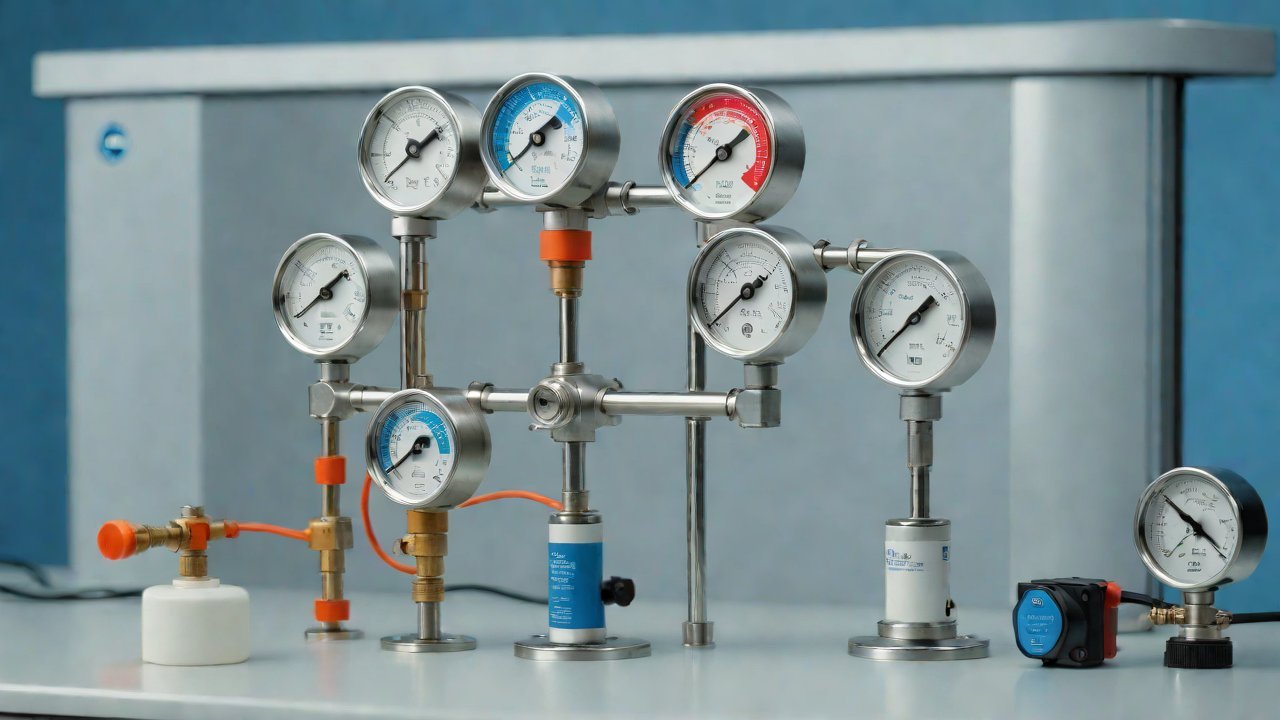
Figure 1: Temperature-Dependent Thermal Expansion of Common Materials
| Material | Temperature Range (K) | CTE (×10^-6 K^-1) |
|---|---|---|
| Aluminum | 293-373 | 23.0 |
| Silicone | 273-423 | 180-200 |
3. Case Studies and Applications
Several industries rely heavily on the compatibility between housing materials and sealants, including aerospace, automotive, and construction.
Example 1: Aerospace Industry
In the production of satellite components, engineers must ensure that the CTE of the housing material matches that of the thermal protection system (TPS) to prevent damage from temperature fluctuations during launch. A mismatch can lead to catastrophic consequences, such as structural failure or loss of payload.
Example 2: Automotive Industry
Automotive manufacturers face similar challenges when designing components like engine blocks and cylinder heads. A CTE mismatch between these parts and their seals can result in premature wear and tear, leading to increased maintenance costs and decreased fuel efficiency.
4. Future Directions and Challenges
As the demand for high-performance materials with tailored thermal expansion properties continues to grow, researchers are exploring new avenues to develop such materials. Some promising areas of research include:

- Nanostructured Materials: By manipulating material structures at the nanoscale, engineers can design materials with customized thermal expansion profiles.
- Computational Modeling: Advanced computational models enable researchers to predict and optimize material properties, including CTE values.
5. Conclusion
Ensuring that the CTE of a sealant matches that of its housing material is crucial for maintaining structural integrity in high-performance applications. While achieving perfect synchronization can be challenging due to material properties and application-specific requirements, advancements in nanotechnology and computational modeling offer promising avenues for future research. By carefully considering these factors and exploring new materials with tailored thermal expansion profiles, engineers can develop more reliable and efficient systems that withstand the demands of modern engineering challenges.
Table 3: Summary of Key Findings
| Criterion | Description |
|---|---|
| Material selection | Careful consideration of CTE values for housing material and sealant. |
| Thermal expansion | Temperature-dependent behavior influenced by crystal structure, bonding mechanism, and atomic arrangement. |
| Industry applications | Aerospace, automotive, construction, and other high-performance industries rely on compatibility between housing materials and sealants. |
The harmonious marriage between a housing material and its corresponding sealant is a critical aspect of modern engineering, particularly in high-performance applications where temperature fluctuations can have devastating consequences on structural integrity.
IOT Cloud Platform
IOT Cloud Platform is an IoT portal established by a Chinese IoT company, focusing on technical solutions in the fields of agricultural IoT, industrial IoT, medical IoT, security IoT, military IoT, meteorological IoT, consumer IoT, automotive IoT, commercial IoT, infrastructure IoT, smart warehousing and logistics, smart home, smart city, smart healthcare, smart lighting, etc.
The IoT Cloud Platform blog is a top IoT technology stack, providing technical knowledge on IoT, robotics, artificial intelligence (generative artificial intelligence AIGC), edge computing, AR/VR, cloud computing, quantum computing, blockchain, smart surveillance cameras, drones, RFID tags, gateways, GPS, 3D printing, 4D printing, autonomous driving, etc.