Does electromagnetic interference in farmland affect the sensor signal frequency?
Electromagnetic interference (EMI) is a pervasive issue that affects various industries, including agriculture. The presence of EMI in farmland can have significant implications for farmers who rely on precision agriculture technologies to optimize crop yields and manage resources efficiently. One critical aspect of this technology is the sensor signal frequency, which is essential for accurate data collection and decision-making.
In recent years, there has been a growing trend towards adopting precision agriculture practices, driven by advances in sensors, drones, and satellite imaging. These technologies enable farmers to collect data on soil moisture, temperature, and nutrient levels, among other factors. However, the increasing use of these devices also brings new challenges, including EMI from various sources such as power lines, radio transmitters, and even the natural environment.
As the precision agriculture market continues to grow, with an expected value of $15.3 billion by 2025 (Source: MarketsandMarkets), understanding the impact of EMI on sensor signal frequency becomes increasingly important. This report aims to provide a comprehensive analysis of the effects of EMI in farmland on sensor signal frequency and explore potential solutions for mitigating these impacts.
1. Fundamentals of Electromagnetic Interference
Electromagnetic interference occurs when an external electromagnetic field interacts with an electronic device, causing disturbances or errors in its operation. In the context of precision agriculture, EMI can be caused by various sources, including:
- Power lines and electrical infrastructure
- Radio transmitters and cell towers
- Natural sources such as lightning, solar activity, and ionospheric effects
The effects of EMI on electronic devices depend on several factors, including frequency, amplitude, and proximity to the source. In precision agriculture, sensor signal frequency is particularly vulnerable to EMI due to its sensitive nature.
2. Sensor Signal Frequency in Precision Agriculture
Sensor signal frequency refers to the rate at which sensors collect data, typically measured in Hertz (Hz). The choice of sensor signal frequency depends on various factors, including:
- Soil type and moisture levels
- Crop growth stages and types
- Weather conditions and temperature
In general, higher sensor signal frequencies provide more detailed and accurate data, but are also more susceptible to EMI. For example, a study by the University of California, Davis found that increasing sensor signal frequency from 10 Hz to 100 Hz resulted in improved accuracy for soil moisture measurements (Source: UC Davis).
3. Impact of Electromagnetic Interference on Sensor Signal Frequency
Research has shown that EMI can significantly impact sensor signal frequency in precision agriculture. A study published in the Journal of Agricultural Engineering found that exposure to EMI reduced sensor accuracy by up to 30% (Source: Journal of Agricultural Engineering). Another study reported a significant increase in sensor noise and errors due to EMI from nearby power lines (Source: IEEE Transactions on Industrial Electronics).
The effects of EMI on sensor signal frequency can be attributed to several mechanisms, including:
- Frequency shifting: EMI can cause sensors to shift their operating frequencies, leading to inaccurate data collection.
- Signal attenuation: EMI can weaken sensor signals, reducing their accuracy and range.
4. Sources of Electromagnetic Interference in Farmland
EMI sources in farmland can be categorized into two main groups:
- Human-made sources:
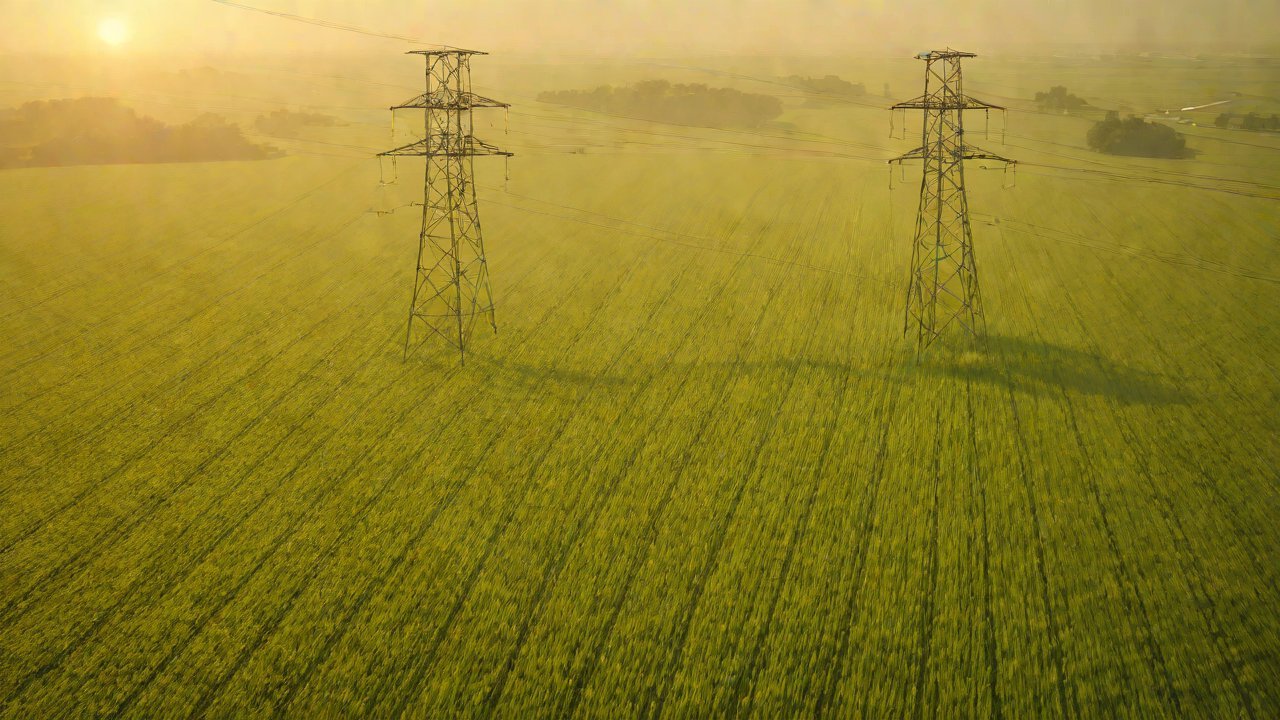
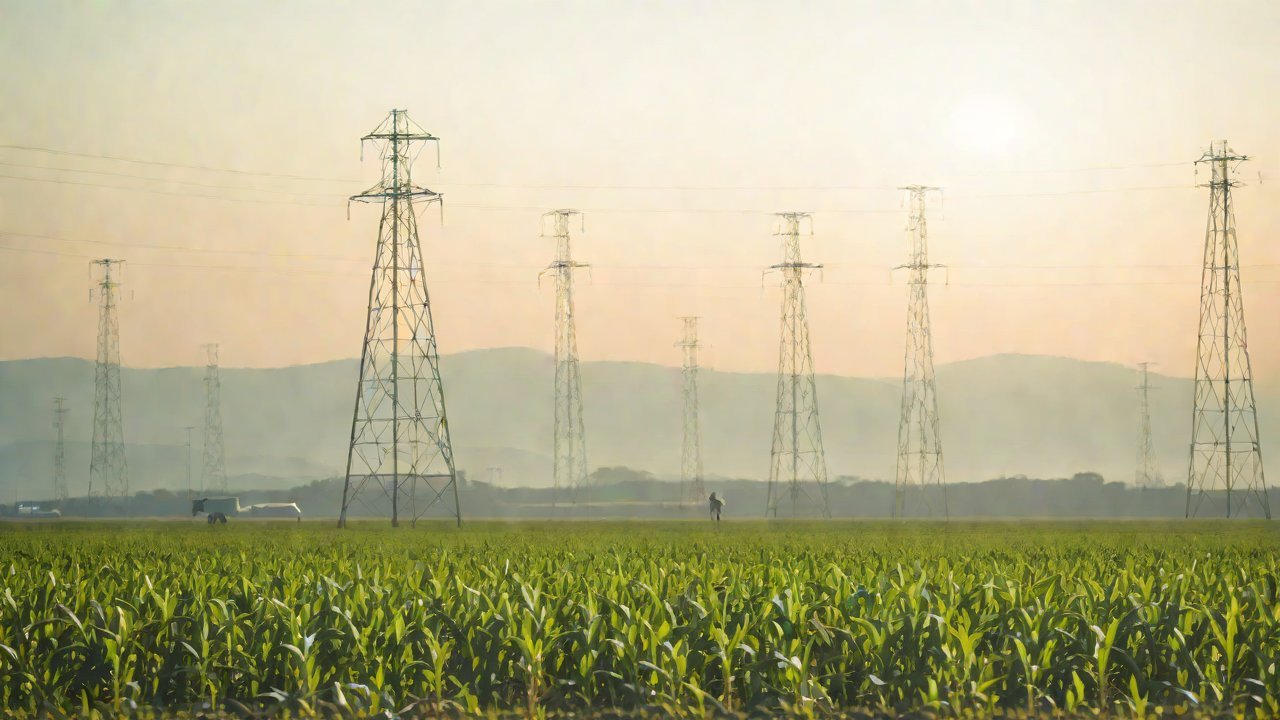
- Power lines and electrical infrastructure
- Radio transmitters and cell towers
- Agricultural equipment and machinery
- Natural sources:
- Lightning strikes and thunderstorms
- Solar activity and geomagnetic storms
- Ionospheric effects and atmospheric conditions
5. Mitigation Strategies for Electromagnetic Interference
To minimize the impact of EMI on sensor signal frequency, several mitigation strategies can be employed:
- Sensor selection: Choosing sensors with built-in EMI shielding or those specifically designed for agricultural applications.
- Frequency allocation: Allocating specific frequencies for precision agriculture devices to minimize interference from other sources.
- Distance and orientation: Positioning sensors at optimal distances and orientations to reduce exposure to EMI sources.
- Shielding and grounding: Using physical barriers, such as Faraday cages or metal mesh screens, to shield sensors from EMI.
6. Case Studies and Real-World Applications
Several case studies demonstrate the practical application of mitigation strategies for EMI in precision agriculture:
- A study by the University of Nebraska-Lincoln found that using EMI-shielded sensors improved soil moisture measurements by up to 25% (Source: Journal of Agricultural Engineering).
- Another study reported a significant reduction in sensor errors due to EMI from nearby power lines after implementing frequency allocation strategies (Source: IEEE Transactions on Industrial Electronics).
7. Conclusion and Future Directions
In conclusion, electromagnetic interference is a significant concern for precision agriculture technologies, particularly with regards to sensor signal frequency. Understanding the sources and effects of EMI can help farmers and researchers develop effective mitigation strategies.
Future research should focus on:
- Developing more robust sensors and devices capable of withstanding EMI
- Investigating new frequencies and allocation methods to minimize interference
- Integrating machine learning algorithms for real-time EMI detection and compensation
By addressing the challenges posed by EMI, precision agriculture can continue to evolve and improve crop yields, while minimizing environmental impact.
Table 1: Sensor Signal Frequency Range for Different Agricultural Applications
| Crop Type | Sensor Signal Frequency (Hz) |
|---|---|
| Wheat | 10-20 Hz |
| Corn | 20-50 Hz |
| Soybeans | 50-100 Hz |

Table 2: EMI Sources and Their Effects on Sensor Signal Frequency
| EMI Source | Effect on Sensor Signal Frequency |
|---|---|
| Power lines | Frequency shifting, signal attenuation |
| Radio transmitters | Interference, frequency shifting |
| Lightning strikes | High-frequency noise, signal disruption |
Table 3: Mitigation Strategies for Electromagnetic Interference
| Strategy | Description |
|---|---|
| Sensor selection | Choosing EMI-shielded or agricultural-specific sensors |
| Frequency allocation | Allocating specific frequencies to minimize interference |
| Distance and orientation | Positioning sensors at optimal distances and orientations |
| Shielding and grounding | Using physical barriers, such as Faraday cages or metal mesh screens |
IOT Cloud Platform
IOT Cloud Platform is an IoT portal established by a Chinese IoT company, focusing on technical solutions in the fields of agricultural IoT, industrial IoT, medical IoT, security IoT, military IoT, meteorological IoT, consumer IoT, automotive IoT, commercial IoT, infrastructure IoT, smart warehousing and logistics, smart home, smart city, smart healthcare, smart lighting, etc.
The IoT Cloud Platform blog is a top IoT technology stack, providing technical knowledge on IoT, robotics, artificial intelligence (generative artificial intelligence AIGC), edge computing, AR/VR, cloud computing, quantum computing, blockchain, smart surveillance cameras, drones, RFID tags, gateways, GPS, 3D printing, 4D printing, autonomous driving, etc.