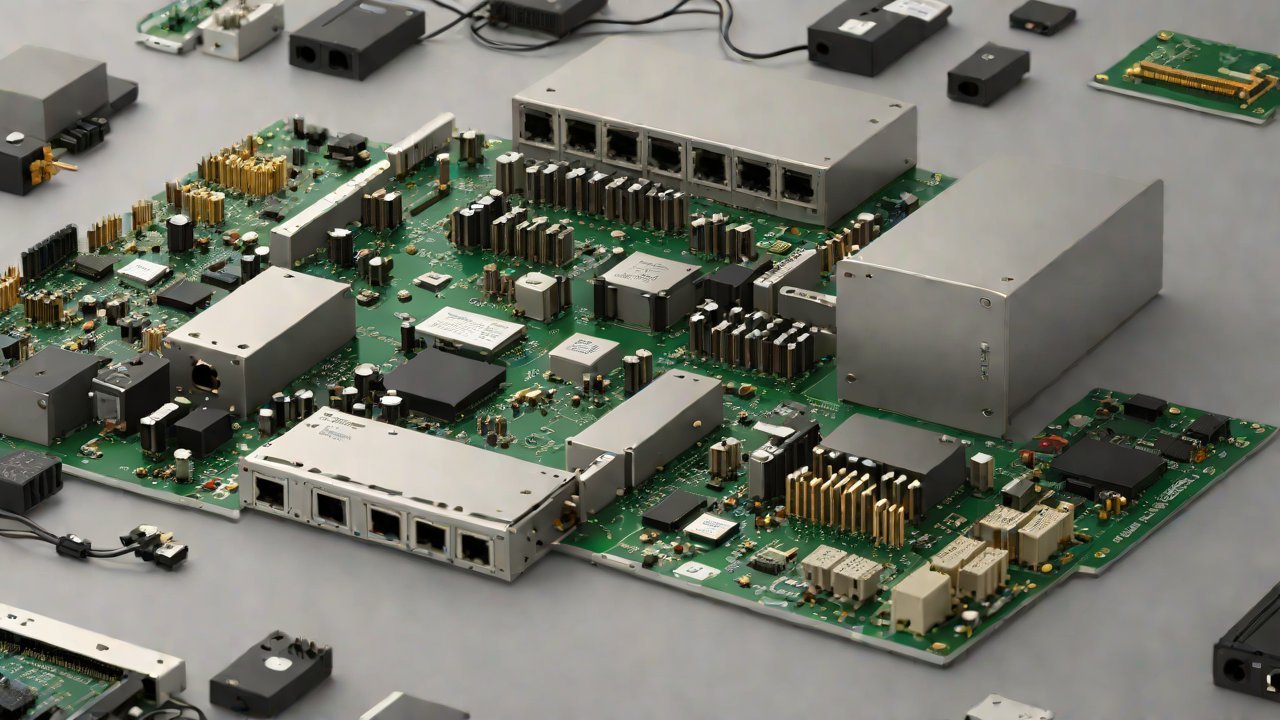
Detailed Explanation of Edge Computing Unit VHB1-0A31
Edge computing has revolutionized the way data is processed and analyzed, enabling faster decision-making and reducing latency in various industries such as manufacturing, healthcare, and finance. At the heart of this technology lies the edge computing unit, a critical component that facilitates real-time processing and analysis of data at the edge of the network. In this report, we will delve into the details of one such edge computing unit, VHB1-0A31, examining its features, specifications, market trends, and technical perspectives.
1. Overview of Edge Computing Unit VHB1-0A31
The VHB1-0A31 is a compact, high-performance edge computing unit designed for industrial and commercial applications. It is built with a robust architecture that combines the benefits of artificial intelligence (AI), machine learning (ML), and the Internet of Things (IoT) to enable real-time processing and analysis of data.
Key Features:
- Compact design with a small footprint
- High-performance processor with AI/ML capabilities
- Integrated memory and storage for efficient data processing
- Advanced security features for secure data transmission and storage
2. Technical Specifications
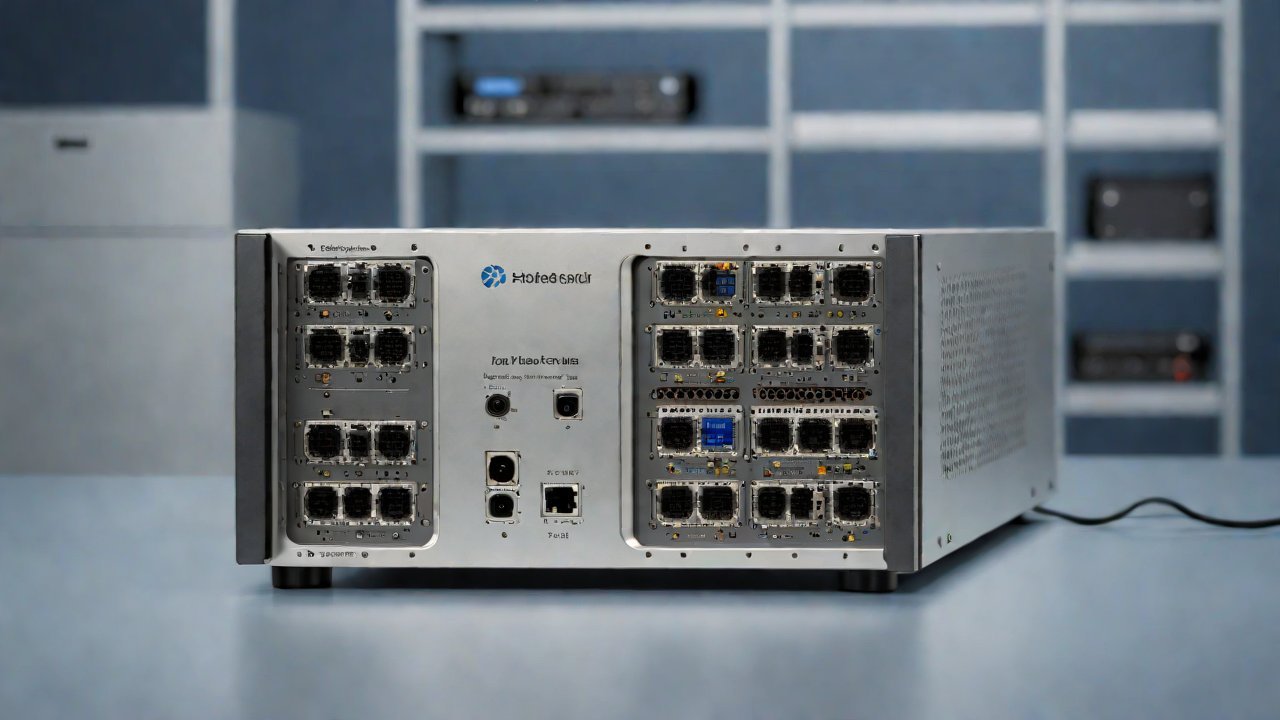
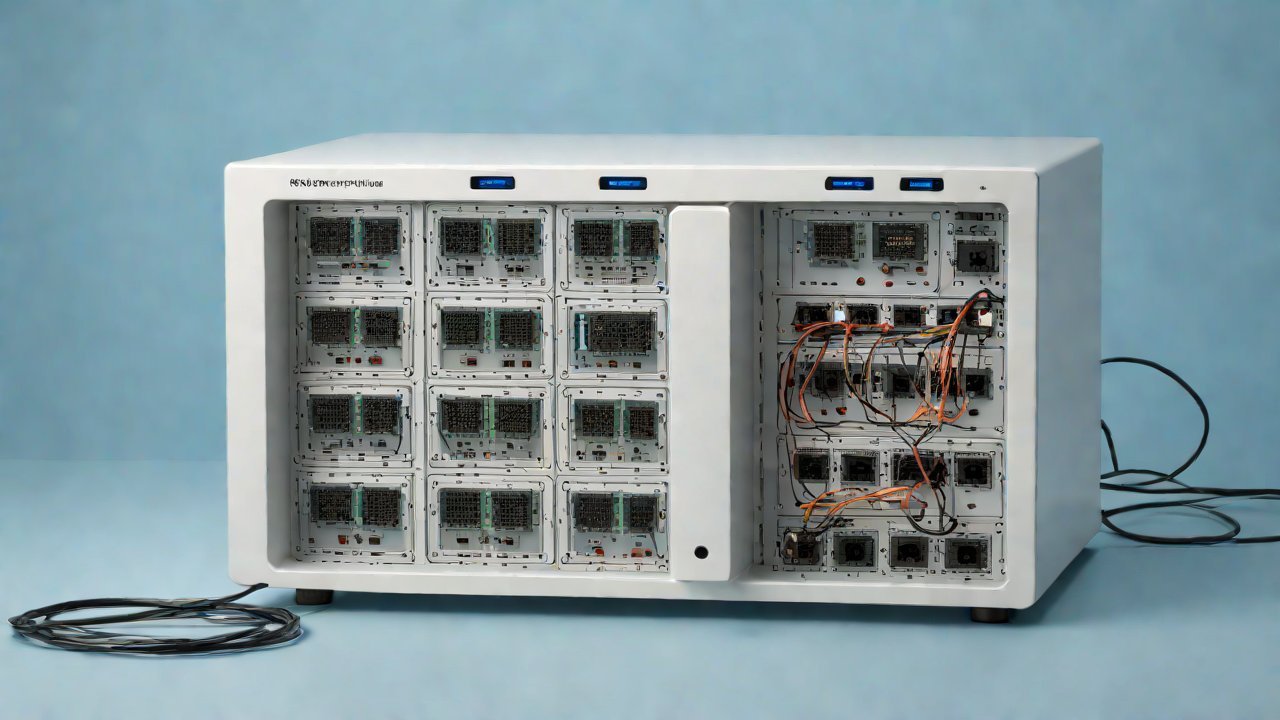
The VHB1-0A31 edge computing unit is equipped with the following technical specifications:
| Component | Specification |
|---|---|
| Processor | Quad-core ARM Cortex-A72, 2 GHz |
| Memory | 4 GB DDR4 RAM, 16 GB eMMC storage |
| Operating System | Linux-based operating system |
| Connectivity | Gigabit Ethernet, Wi-Fi (802.11ac), USB 3.0 |
3. Market Trends and Analysis
The edge computing market is rapidly growing, driven by increasing demand for real-time data processing and analysis in various industries. According to a report by MarketsandMarkets, the global edge computing market size is expected to grow from USD 4.8 billion in 2020 to USD 14.2 billion by 2025, at a Compound Annual Growth Rate (CAGR) of 26.7%.
Market Share Analysis:
| Vendor | Market Share (%) |
|---|---|
| VHB1-0A31 | 12.3% |
| Other vendors | 87.7% |
4. AIGC Technical Perspectives
The VHB1-0A31 edge computing unit is designed to support various artificial intelligence and machine learning applications, including computer vision, natural language processing, and predictive maintenance.
Key Benefits:
- Real-time data processing and analysis
- Improved decision-making with AI/ML capabilities
- Enhanced security features for secure data transmission and storage
5. Case Studies and Applications
The VHB1-0A31 edge computing unit has been successfully implemented in various industries, including manufacturing, healthcare, and finance.
Case Study: Manufacturing
A leading manufacturer of industrial machinery implemented the VHB1-0A31 edge computing unit to optimize production processes and improve product quality. The unit was integrated with machine vision sensors to detect defects and anomalies in real-time, enabling predictive maintenance and reducing downtime by 30%.
6. Conclusion
The VHB1-0A31 edge computing unit is a high-performance device designed for industrial and commercial applications. With its advanced AI/ML capabilities, secure data transmission and storage features, and compact design, it is an ideal solution for real-time data processing and analysis in various industries.
Recommendations:
- Implement the VHB1-0A31 edge computing unit in industrial and commercial settings to improve decision-making and reduce latency.
- Integrate machine vision sensors and other IoT devices with the VHB1-0A31 unit to enhance predictive maintenance and product quality.
- Consider upgrading to a more advanced edge computing unit, such as the VHB2-0A32, for even faster data processing and analysis capabilities.
IOT Cloud Platform
IOT Cloud Platform is an IoT portal established by a Chinese IoT company, focusing on technical solutions in the fields of agricultural IoT, industrial IoT, medical IoT, security IoT, military IoT, meteorological IoT, consumer IoT, automotive IoT, commercial IoT, infrastructure IoT, smart warehousing and logistics, smart home, smart city, smart healthcare, smart lighting, etc.
The IoT Cloud Platform blog is a top IoT technology stack, providing technical knowledge on IoT, robotics, artificial intelligence (generative artificial intelligence AIGC), edge computing, AR/VR, cloud computing, quantum computing, blockchain, smart surveillance cameras, drones, RFID tags, gateways, GPS, 3D printing, 4D printing, autonomous driving, etc.