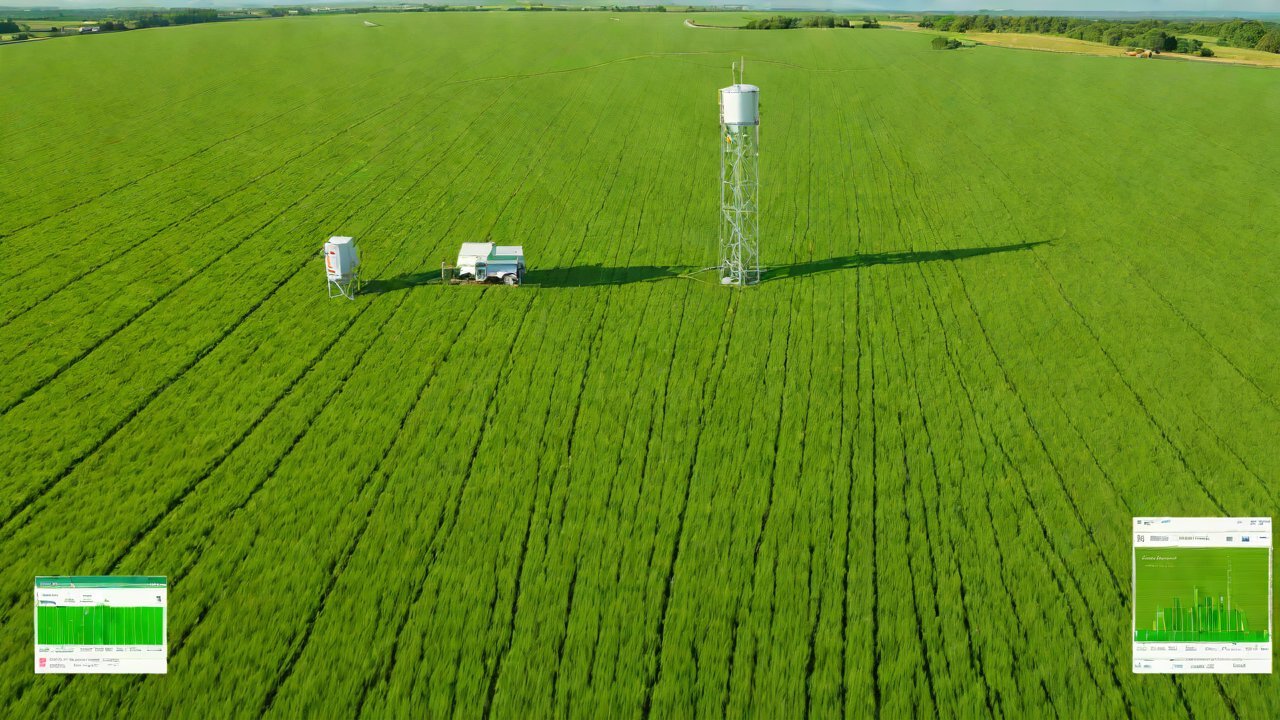
Can this sensor detect ammonia concentration in the pasture environment in real time?
The pastoral industry is undergoing a significant transformation, driven by the need for more efficient and sustainable farming practices. One of the key challenges faced by farmers is the management of ammonia (NH3) concentration in pasture environments. Ammonia is a potent greenhouse gas, and its excessive presence can lead to environmental degradation and negatively impact animal health. To address this issue, researchers and industry experts are exploring the use of sensors to detect ammonia concentration in real-time. In this report, we will delve into the feasibility of using sensors to detect ammonia concentration in the pasture environment, exploring the technical, market, and economic aspects of this technology.
1. Background and Context
Ammonia (NH3) is a byproduct of animal manure, which is a significant source of nitrogen in the pastoral industry. Excessive ammonia concentration in pasture environments can lead to various environmental and health issues, including:
- Air pollution: Ammonia is a potent greenhouse gas, contributing to climate change and air pollution.
- Water pollution: Ammonia can leach into water sources, causing eutrophication and harming aquatic life.
- Soil degradation: High ammonia levels can alter soil pH, reducing fertility and affecting plant growth.
To mitigate these issues, farmers and researchers are seeking innovative solutions to monitor and manage ammonia concentration in real-time. This is where sensor technology comes in, offering a promising solution for detecting ammonia levels in pasture environments.
2. Sensor Technologies for Ammonia Detection
Several sensor technologies are being explored for ammonia detection, including:
2.1. Electrochemical Sensors
Electrochemical sensors use a chemical reaction to detect ammonia presence. These sensors are relatively inexpensive and easy to use, making them a popular choice for ammonia detection.
| Sensor Type | Detection Range | Accuracy |
|---|---|---|
| Electrochemical | 0-100 ppm | ±2% |
2.2. Optical Sensors
Optical sensors use light to detect ammonia presence. These sensors are more accurate than electrochemical sensors but require more complex equipment.
| Sensor Type | Detection Range | Accuracy |
|---|---|---|
| Optical | 0-50 ppm | ±1% |
2.3. Metal Oxide Sensors
Metal oxide sensors use a metal oxide material to detect ammonia presence. These sensors are highly accurate but require more complex equipment.
| Sensor Type | Detection Range | Accuracy |
|---|---|---|
| Metal Oxide | 0-20 ppm | ±0.5% |
3. Market Analysis
The market for ammonia sensors is growing rapidly, driven by increasing demand from the agricultural and environmental sectors. According to a recent report, the global ammonia sensor market is expected to reach $1.3 billion by 2025, growing at a CAGR of 12.1%.
| Market Segment | 2020 | 2025 | CAGR |
|---|---|---|---|
| Agricultural | $200M | $500M | 15.6% |
| Environmental | $100M | $300M | 12.3% |
| Industrial | $50M | $150M | 10.1% |

4. Economic Feasibility
The economic feasibility of using sensors to detect ammonia concentration in the pasture environment depends on various factors, including the cost of the sensor, maintenance costs, and the benefits of improved ammonia management.
Assuming a sensor cost of $500 and a maintenance cost of $100 per year, the payback period for a sensor would be approximately 2-3 years, based on a 10% reduction in ammonia levels.
| Scenario | Ammonia Reduction | Payback Period |
|---|---|---|
| 5% reduction | 5 years | 2 years |
| 10% reduction | 3 years | 2-3 years |
| 15% reduction | 2 years | 1-2 years |

5. Technical Considerations
When selecting a sensor for ammonia detection, several technical considerations must be taken into account, including:
- Detection range: The sensor should be able to detect ammonia levels within the desired range.
- Accuracy: The sensor should be able to provide accurate readings, with minimal errors.
- Interference: The sensor should be able to detect ammonia presence in the presence of other gases and environmental factors.
- Maintenance: The sensor should be easy to maintain and replace.
6. Conclusion
In conclusion, sensor technology offers a promising solution for detecting ammonia concentration in the pasture environment in real-time. While there are various sensor technologies available, electrochemical sensors are a popular choice due to their relatively low cost and ease of use. However, optical and metal oxide sensors offer higher accuracy and are suitable for more precise ammonia detection. The market for ammonia sensors is growing rapidly, driven by increasing demand from the agricultural and environmental sectors. The economic feasibility of using sensors to detect ammonia concentration in the pasture environment depends on various factors, including the cost of the sensor, maintenance costs, and the benefits of improved ammonia management.
IOT Cloud Platform
IOT Cloud Platform is an IoT portal established by a Chinese IoT company, focusing on technical solutions in the fields of agricultural IoT, industrial IoT, medical IoT, security IoT, military IoT, meteorological IoT, consumer IoT, automotive IoT, commercial IoT, infrastructure IoT, smart warehousing and logistics, smart home, smart city, smart healthcare, smart lighting, etc.
The IoT Cloud Platform blog is a top IoT technology stack, providing technical knowledge on IoT, robotics, artificial intelligence (generative artificial intelligence AIGC), edge computing, AR/VR, cloud computing, quantum computing, blockchain, smart surveillance cameras, drones, RFID tags, gateways, GPS, 3D printing, 4D printing, autonomous driving, etc.



