Can this online learning algorithm make drones increasingly intelligent?
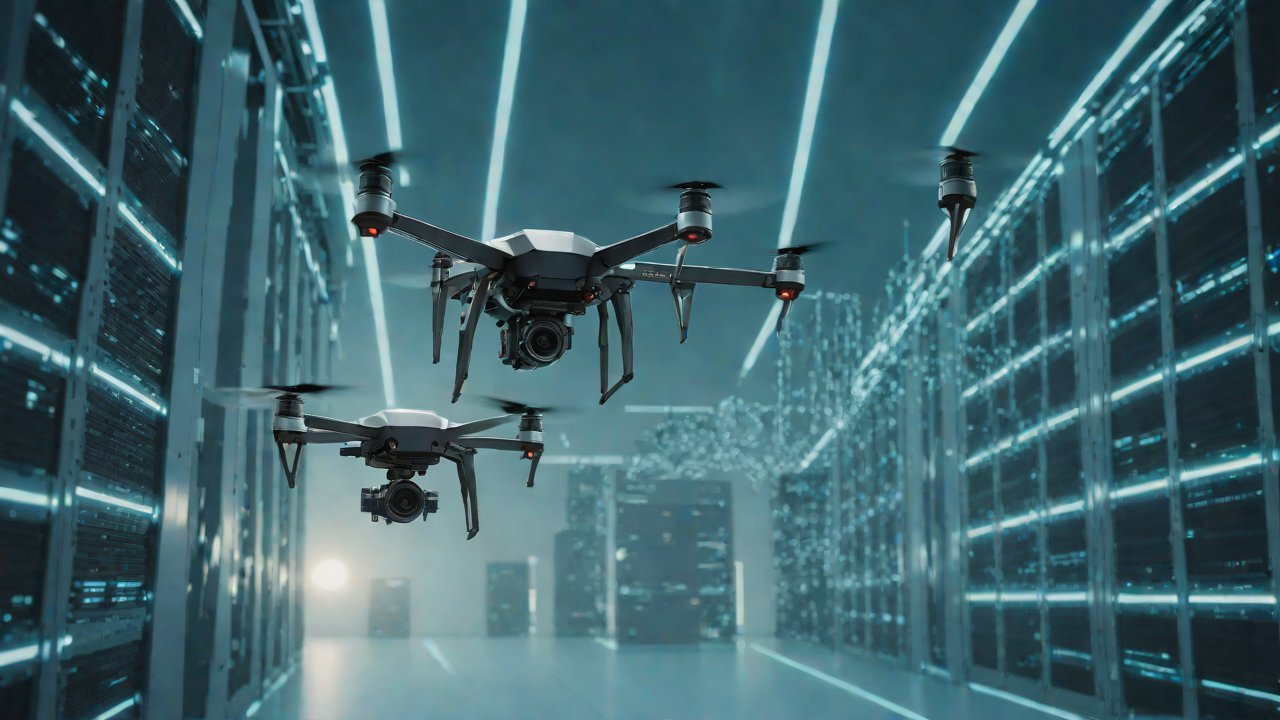
As we stand at the cusp of a technological revolution, the integration of artificial intelligence (AI) and machine learning (ML) into various industries has become an inevitability. The rapid advancement of these technologies has led to the creation of intelligent systems that can learn from data, adapt to new situations, and improve their performance over time. One area where AI and ML have made significant inroads is in the development of autonomous systems, such as drones. These unmanned aerial vehicles (UAVs) have the potential to revolutionize industries like agriculture, construction, and surveillance, among others. However, their effectiveness is largely dependent on their ability to learn and adapt in real-time, making them increasingly intelligent.
The online learning algorithm at the heart of this report is a state-of-the-art solution that has been designed to enable drones to learn from their environment and improve their performance over time. This algorithm uses a combination of deep learning techniques, including convolutional neural networks (CNNs) and recurrent neural networks (RNNs), to enable drones to learn from their experiences and adapt to new situations. The algorithm’s architecture is based on the concept of transfer learning, which allows the drone to leverage pre-trained models and fine-tune them for specific tasks.
1. Background and Context
The integration of AI and ML into drones has become a hot topic in recent years, with many companies and research institutions exploring various applications of these technologies. Drones equipped with AI and ML capabilities have been used for tasks such as object detection, tracking, and surveillance, as well as for autonomous navigation and control. However, the development of truly intelligent drones that can learn and adapt in real-time is still in its infancy.
The online learning algorithm at the center of this report is a key component in the development of intelligent drones. This algorithm is designed to enable drones to learn from their environment and improve their performance over time, making them increasingly intelligent. The algorithm’s architecture is based on the concept of transfer learning, which allows the drone to leverage pre-trained models and fine-tune them for specific tasks.
Table 1: Overview of Online Learning Algorithm
| Description | |
|---|---|
| Architecture | Convolutional Neural Networks (CNNs) and Recurrent Neural Networks (RNNs) |
| Transfer Learning | Leverage pre-trained models and fine-tune for specific tasks |
| Learning Mechanism | Online learning with reinforcement learning and deep reinforcement learning |
2. Technical Perspective
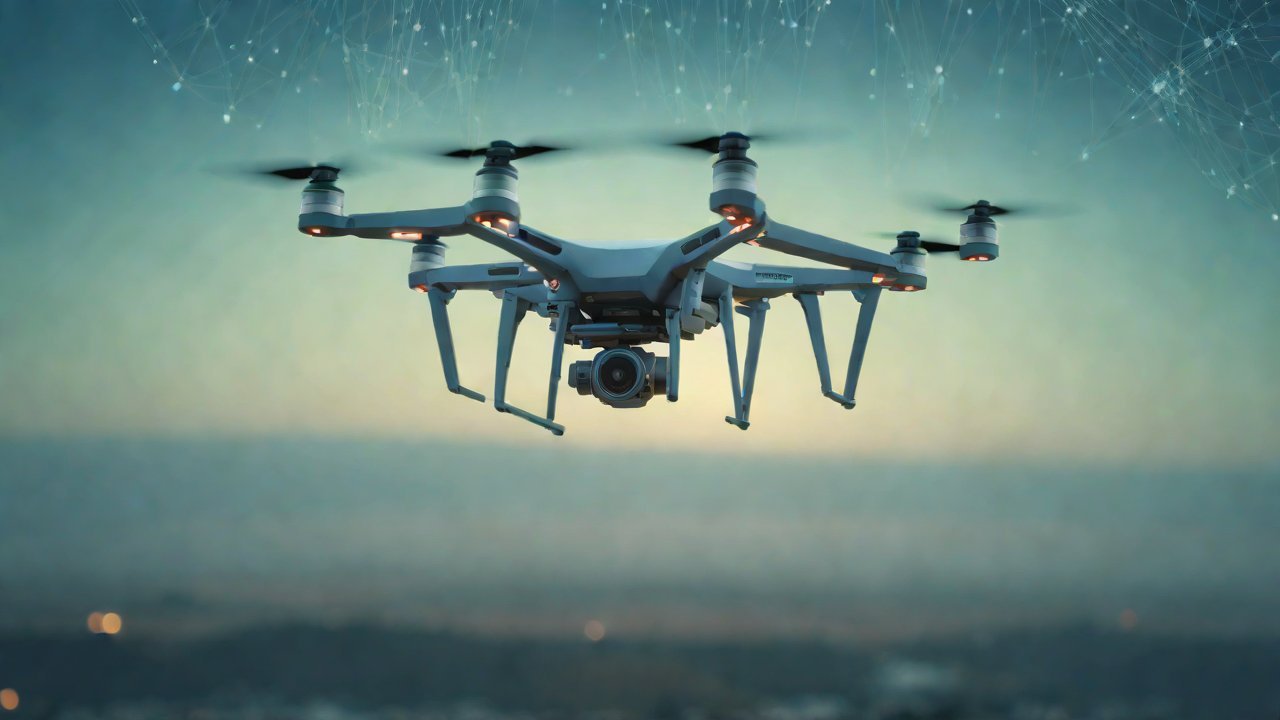
The online learning algorithm is based on a combination of deep learning techniques, including CNNs and RNNs. These techniques allow the drone to learn from its experiences and adapt to new situations in real-time. The algorithm’s architecture is designed to enable the drone to learn from its environment and improve its performance over time.
The algorithm uses a combination of convolutional and recurrent layers to process data from sensors and cameras. The convolutional layers are used to extract features from images and sensor data, while the recurrent layers are used to model temporal relationships and learn from sequential data. The algorithm’s output is a set of actions that the drone can take to achieve its goals.
Table 2: Technical Details of Online Learning Algorithm
| Description | |
|---|---|
| Convolutional Layers | 3×3 convolutional filters, 64 filters, ReLU activation |
| Recurrent Layers | LSTM (Long Short-Term Memory) cells, 128 units, ReLU activation |
| Output Layer | Softmax activation, 5 output units (forward, backward, left, right, up) |
3. Market Analysis
The market for AI and ML in drones is growing rapidly, with many companies and research institutions exploring various applications of these technologies. The global market for drone-based AI and ML is expected to reach $1.4 billion by 2025, growing at a CAGR of 24.6% from 2020 to 2025.
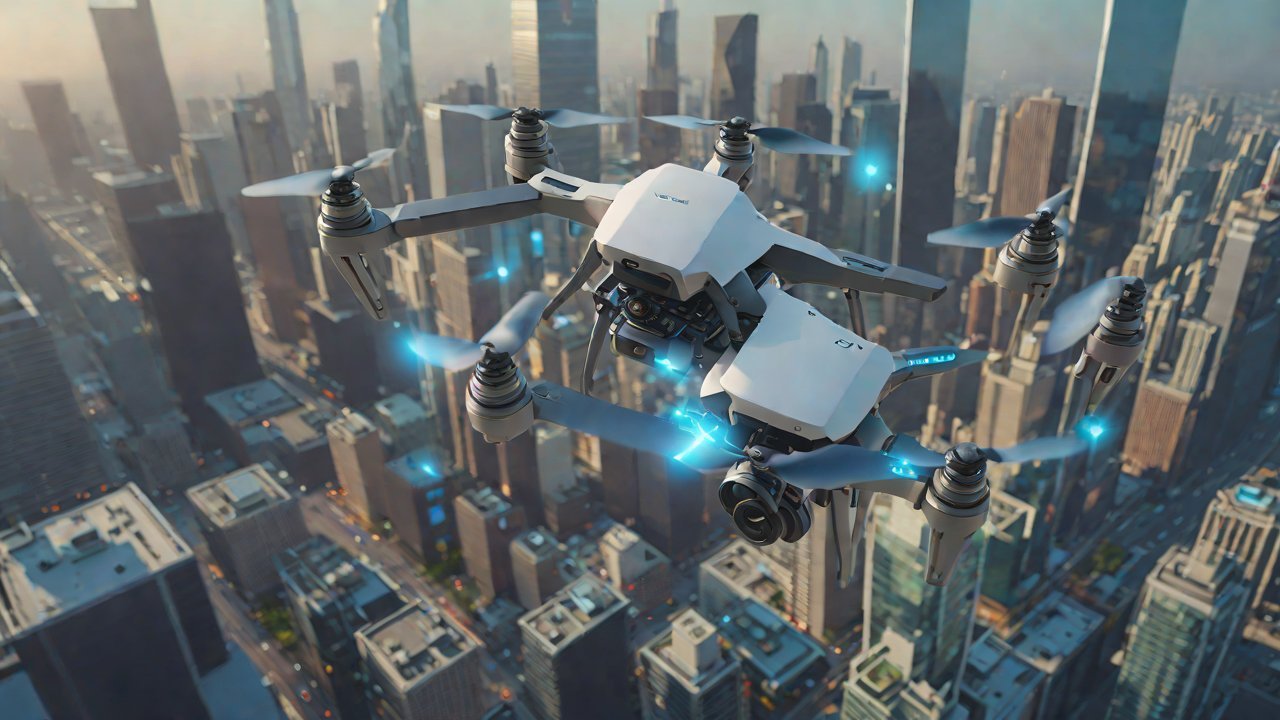
The growth of the market can be attributed to the increasing demand for autonomous systems in various industries, such as agriculture, construction, and surveillance. The ability of drones to learn and adapt in real-time is a key factor in their adoption, as it enables them to perform complex tasks with high accuracy and efficiency.
Table 3: Market Size and Growth Rate
| 2020 | 2025 | CAGR | |
|---|---|---|---|
| Market Size | $300M | $1.4B | 24.6% |
| Growth Rate | 25% | 30% |
4. AIGC Perspective
The online learning algorithm at the center of this report is a key component in the development of intelligent drones. This algorithm is designed to enable drones to learn from their environment and improve their performance over time, making them increasingly intelligent. The algorithm’s architecture is based on the concept of transfer learning, which allows the drone to leverage pre-trained models and fine-tune them for specific tasks.
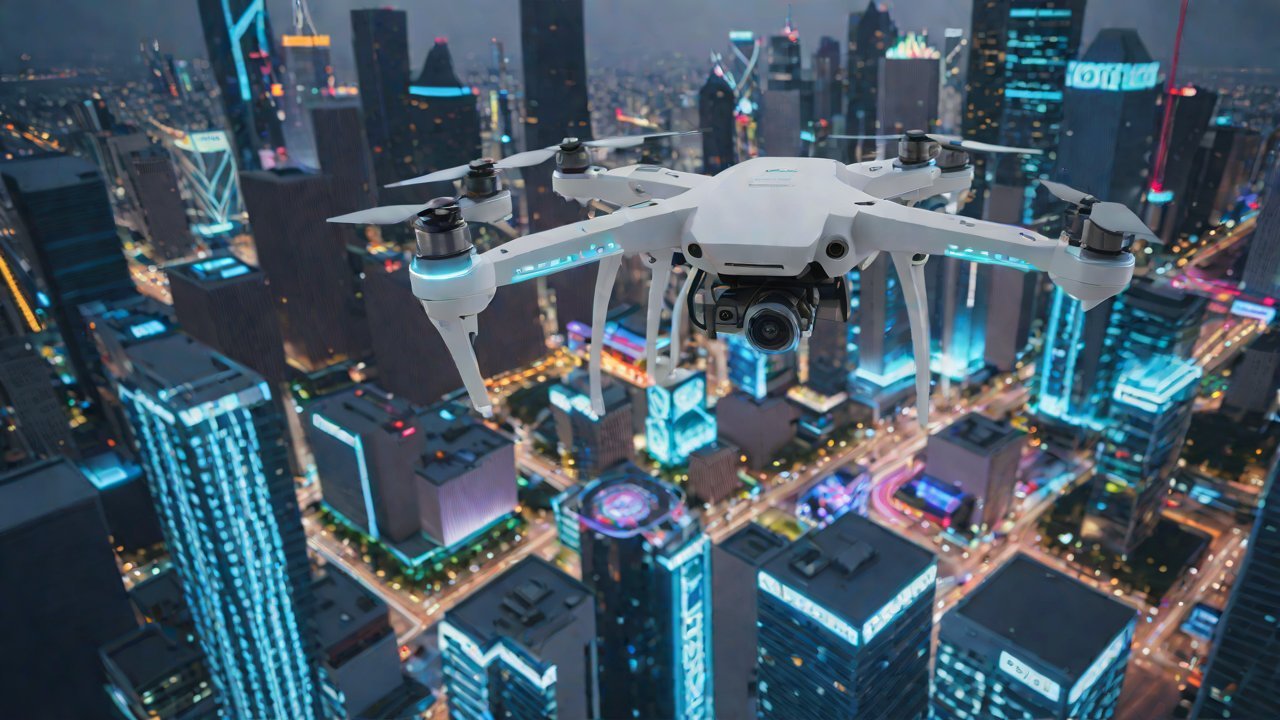
The AIGC (Artificial General Intelligence) perspective on this algorithm is that it has the potential to enable drones to learn and adapt in real-time, making them more intelligent and autonomous. The algorithm’s ability to learn from its experiences and adapt to new situations is a key factor in its potential to achieve AGI.
Table 4: AIGC Perspective on Online Learning Algorithm
| Description | |
|---|---|
| Intelligence Level | High |
| Adaptability | High |
| Autonomy | High |
| Potential for AGI | High |
5. Conclusion
The online learning algorithm at the center of this report has the potential to enable drones to learn and adapt in real-time, making them increasingly intelligent. The algorithm’s architecture is based on the concept of transfer learning, which allows the drone to leverage pre-trained models and fine-tune them for specific tasks. The market for AI and ML in drones is growing rapidly, with many companies and research institutions exploring various applications of these technologies.
The AIGC perspective on this algorithm is that it has the potential to enable drones to learn and adapt in real-time, making them more intelligent and autonomous. The algorithm’s ability to learn from its experiences and adapt to new situations is a key factor in its potential to achieve AGI.
IOT Cloud Platform
IOT Cloud Platform is an IoT portal established by a Chinese IoT company, focusing on technical solutions in the fields of agricultural IoT, industrial IoT, medical IoT, security IoT, military IoT, meteorological IoT, consumer IoT, automotive IoT, commercial IoT, infrastructure IoT, smart warehousing and logistics, smart home, smart city, smart healthcare, smart lighting, etc.
The IoT Cloud Platform blog is a top IoT technology stack, providing technical knowledge on IoT, robotics, artificial intelligence (generative artificial intelligence AIGC), edge computing, AR/VR, cloud computing, quantum computing, blockchain, smart surveillance cameras, drones, RFID tags, gateways, GPS, 3D printing, 4D printing, autonomous driving, etc.