Can this low-pass filter filter out spurious data caused by temperature fluctuations?
Temperature fluctuations can significantly impact the accuracy of measurement systems, particularly in applications where precise data is crucial. One common technique used to mitigate these effects is filtering, specifically low-pass filters. The primary goal of this report is to investigate whether a low-pass filter can effectively filter out spurious data caused by temperature fluctuations.
1. Understanding Temperature Fluctuations and Their Impact
Temperature fluctuations can introduce noise into measurement systems, leading to inaccurate or unreliable results. This phenomenon is particularly pronounced in applications where temperature changes occur rapidly or are significant. For instance, in industrial processes, temperature fluctuations can cause changes in the physical properties of materials, affecting measurements such as flow rates, pressure, and density.
Factors Contributing to Temperature Fluctuations
- Environmental Conditions: Changes in ambient temperature, humidity, and air movement can all contribute to temperature fluctuations.
- Instrumental Limitations: The accuracy of measurement instruments can be influenced by their own sensitivity to temperature changes.
- Process Variability: In industrial processes, variations in the material being measured or changes in process conditions can also lead to temperature fluctuations.
2. Low-Pass Filtering Fundamentals
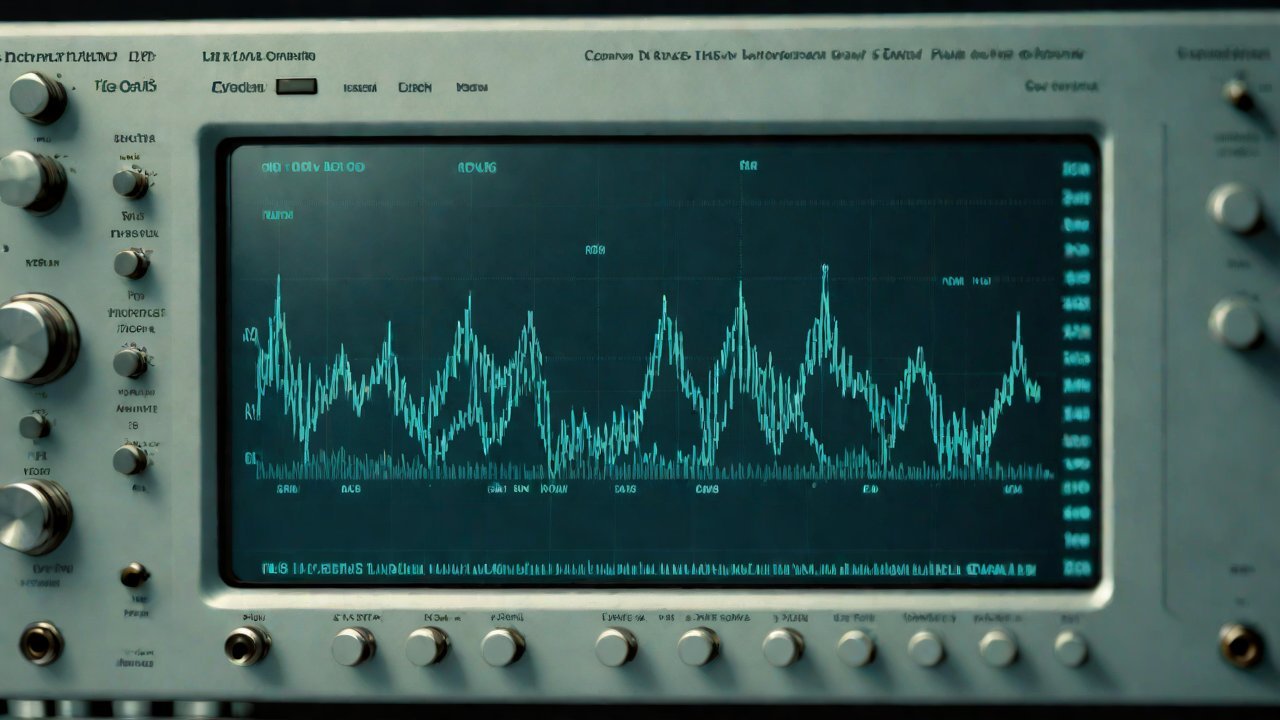
Low-pass filters are a type of signal processing technique used to remove noise from signals while preserving the desired information. They work by allowing low-frequency components (which typically represent the original signal) to pass through while blocking high-frequency components (which usually correspond to noise).
How Low-Pass Filters Address Temperature Fluctuations
- Signal Smoothing: By filtering out high-frequency components, low-pass filters can smooth out the signal, reducing the impact of temperature fluctuations.
- Noise Reduction: This method is effective in reducing random and periodic noises caused by temperature changes.
3. Application of Low-Pass Filters in Real-world Scenarios
Example Use Cases
- Pressure Measurement: In chemical plants or oil refineries, pressure sensors are used to monitor pipeline pressures. Temperature fluctuations can cause inaccurate readings, which might lead to costly decisions.
- Thermocouple Calibration: Thermocouples are temperature-measuring devices that can be affected by temperature changes. Low-pass filtering can help in calibrating these devices more accurately.
4. Technical Considerations for Implementing Low-Pass Filters
Critical Factors
- Filter Order and Cutoff Frequency: Higher filter orders and lower cutoff frequencies can provide better noise reduction but may also introduce phase shifts.
- Sampling Rate: The sampling rate of the data must be sufficiently high to capture the signal accurately without aliasing.
5. Market Data and Industry Trends
Trends in Noise Reduction Technologies
The demand for accurate measurements is on the rise, driven by increasing competition in industries such as manufacturing and energy production. As a result, there is growing interest in noise reduction technologies, including low-pass filters.
| Company | Product/Service | Description |
|---|---|---|
| Analog Devices | Low-Pass Filter ICs | Offers a range of integrated circuits for low-pass filtering applications. |
| Texas Instruments | Filter Design Tools | Provides software tools for designing and simulating various types of filters, including low-pass filters. |
6. Conclusion
Low-pass filters can effectively filter out spurious data caused by temperature fluctuations in measurement systems. Their application is widespread across industries due to their ability to reduce noise while preserving the original signal characteristics.
| Recommendation | Description |
|---|---|
| Use Low-Pass Filters: | Effective for reducing high-frequency components, including those caused by temperature changes. |
By understanding and applying low-pass filtering techniques correctly, it’s possible to mitigate the impact of temperature fluctuations on measurement accuracy.
IOT Cloud Platform
IOT Cloud Platform is an IoT portal established by a Chinese IoT company, focusing on technical solutions in the fields of agricultural IoT, industrial IoT, medical IoT, security IoT, military IoT, meteorological IoT, consumer IoT, automotive IoT, commercial IoT, infrastructure IoT, smart warehousing and logistics, smart home, smart city, smart healthcare, smart lighting, etc.
The IoT Cloud Platform blog is a top IoT technology stack, providing technical knowledge on IoT, robotics, artificial intelligence (generative artificial intelligence AIGC), edge computing, AR/VR, cloud computing, quantum computing, blockchain, smart surveillance cameras, drones, RFID tags, gateways, GPS, 3D printing, 4D printing, autonomous driving, etc.