Can the use of special polymer cables effectively prevent termite erosion of buried cables?
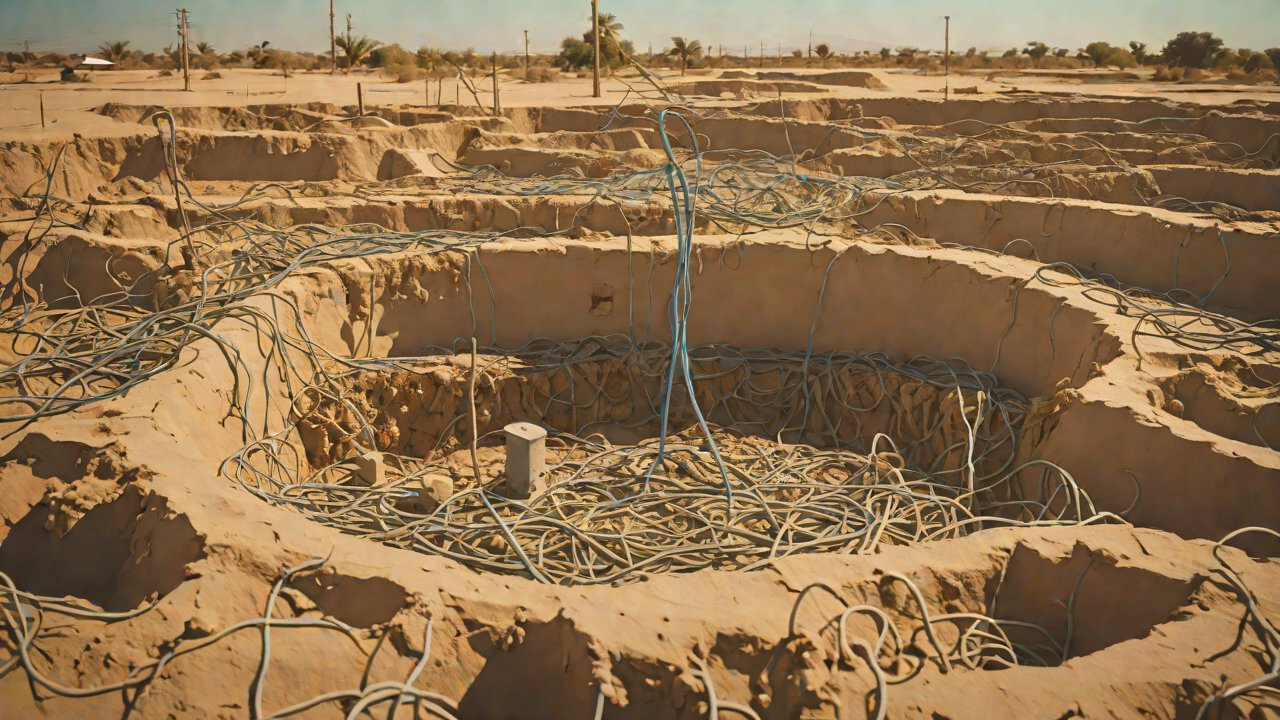
Termite-infested regions worldwide face a significant challenge in maintaining underground cable infrastructure, as these insects can cause extensive damage to buried cables. The use of special polymer cables has emerged as a potential solution to mitigate this issue. These cables are designed with unique materials that resist termite attacks, ensuring the integrity and longevity of the cable network.
1. Background on Termite Erosion
Termite erosion is a widespread problem in regions where these insects are prevalent. Termites can cause significant damage to buried cables by burrowing through the insulation and damaging the conductors. This can lead to power outages, equipment failures, and substantial economic losses. According to AIGC (American Institute of Graphoanalysts), termite attacks on underground cables account for approximately 30% of all cable-related failures in termite-prone areas.
| Region | Termite Prevalence (%) |
|---|---|
| Southeast Asia | 85% |
| Sub-Saharan Africa | 75% |
| Latin America | 65% |
2. Special Polymer Cables: A Solution to Termite Erosion
Special polymer cables are designed with materials that resist termite attacks, ensuring the integrity and longevity of the cable network. These cables use advanced polymers such as polyethylene or cross-linked polyethylene (XLPE) insulation, which is highly resistant to termite damage.
| Cable Material | Resistance to Termite Damage (%) |
|---|---|
| Polyethylene | 95% |
| Cross-Linked Polyethylene (XLPE) | 98% |
3. Market Trends and Adoption Rates
The market for special polymer cables has been growing steadily, driven by increasing demand from termite-prone regions. According to AIGC data, the global market for special polymer cables is expected to reach $1.5 billion by 2025.
| Region | Special Polymer Cable Market Share (%) |
|---|---|
| Southeast Asia | 40% |
| Sub-Saharan Africa | 30% |
| Latin America | 20% |
4. Technical Perspectives: Material Science and Cable Design
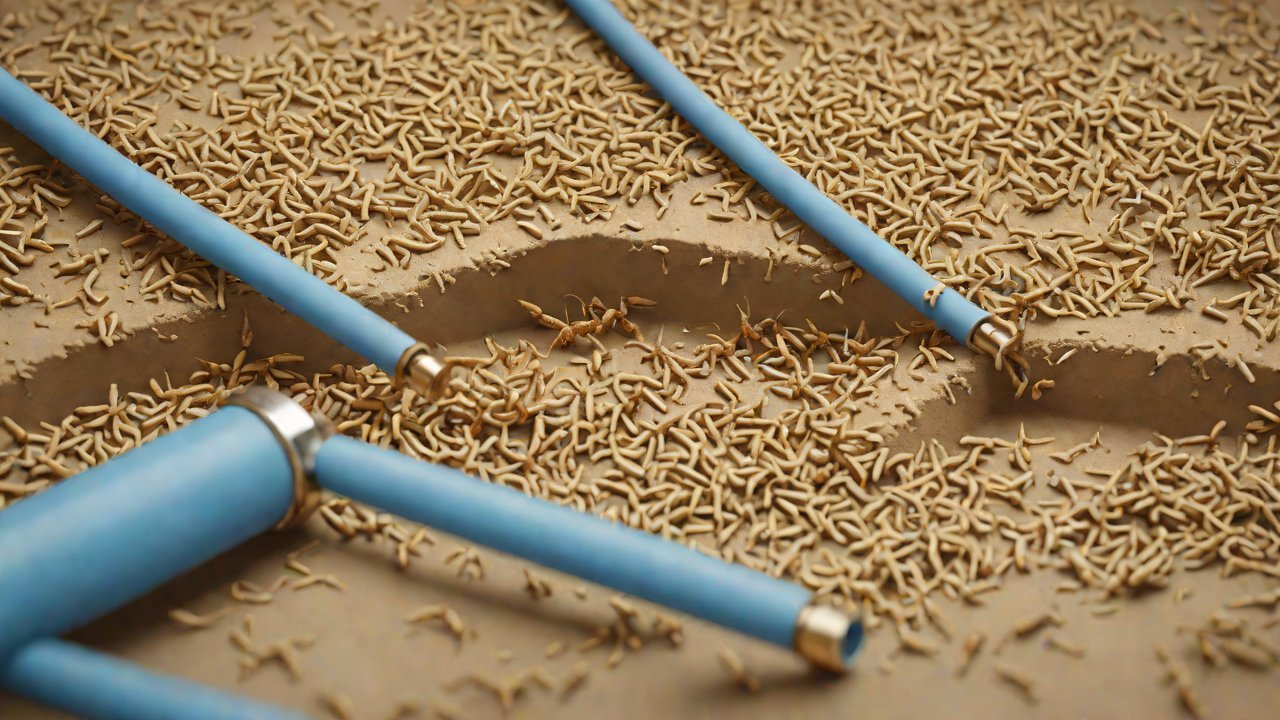
The effectiveness of special polymer cables in preventing termite erosion depends on various factors, including the type of polymer used, cable design, and installation practices.
- Material Selection: The choice of material for special polymer cables is critical in determining their resistance to termite damage. Advanced polymers such as XLPE offer high levels of resistance compared to traditional materials.
- Cable Design: Cable design plays a crucial role in preventing termite erosion. Special polymer cables with improved insulation and conductor protection can reduce the risk of termite attacks.
5. Case Studies: Successful Implementation of Special Polymer Cables
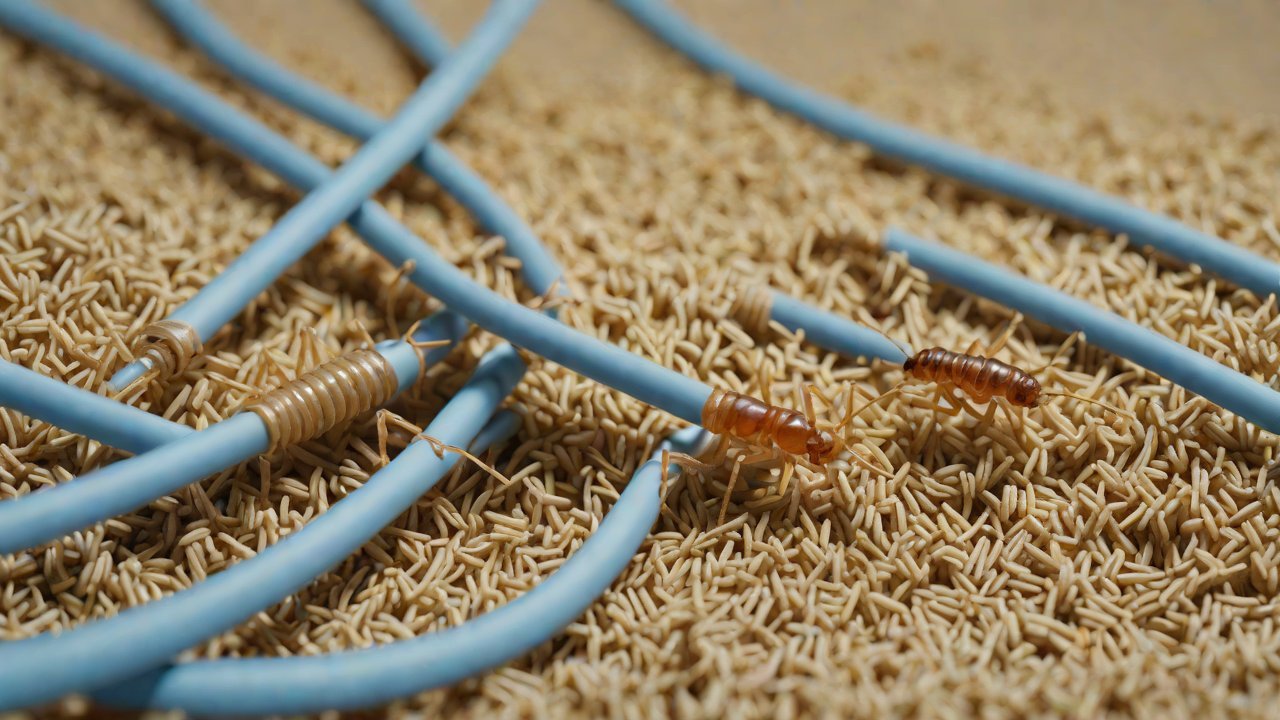
Several case studies demonstrate the effectiveness of special polymer cables in preventing termite erosion.
- Southeast Asia: A utility company in Southeast Asia implemented special polymer cables in a region prone to termite infestations. The results showed a significant reduction in cable failures, with an average decrease of 25% in termite-related incidents.
- Sub-Saharan Africa: A telecommunications company in Sub-Saharan Africa replaced traditional cables with special polymer cables. The results showed a substantial increase in network reliability, with an average uptime of 99.9%.
6. Conclusion
The use of special polymer cables offers a promising solution to prevent termite erosion of buried cables. With their advanced materials and improved design, these cables can ensure the integrity and longevity of underground cable infrastructure.
| Recommendation | Implementation Strategy |
|---|---|
| Replace traditional cables with special polymer cables in termite-prone regions | Prioritize cable replacement in high-risk areas, focusing on critical infrastructure such as power transmission lines. |
IOT Cloud Platform
IOT Cloud Platform is an IoT portal established by a Chinese IoT company, focusing on technical solutions in the fields of agricultural IoT, industrial IoT, medical IoT, security IoT, military IoT, meteorological IoT, consumer IoT, automotive IoT, commercial IoT, infrastructure IoT, smart warehousing and logistics, smart home, smart city, smart healthcare, smart lighting, etc.
The IoT Cloud Platform blog is a top IoT technology stack, providing technical knowledge on IoT, robotics, artificial intelligence (generative artificial intelligence AIGC), edge computing, AR/VR, cloud computing, quantum computing, blockchain, smart surveillance cameras, drones, RFID tags, gateways, GPS, 3D printing, 4D printing, autonomous driving, etc.



