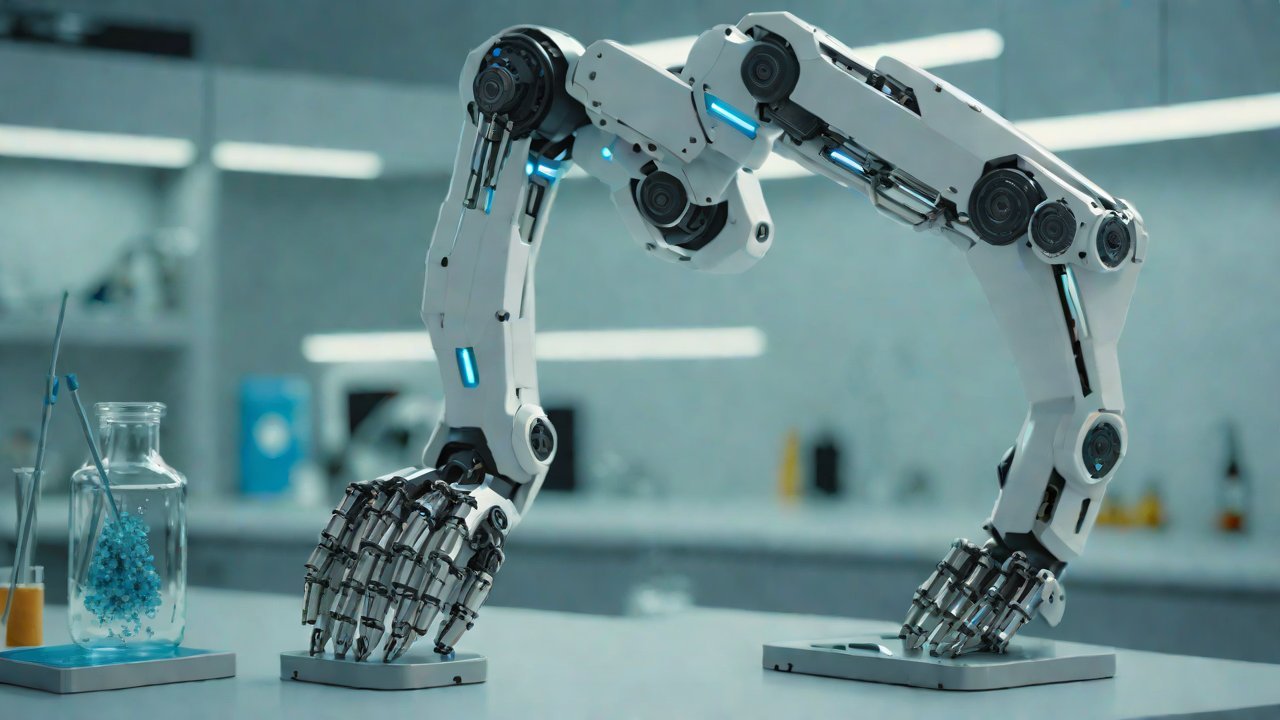
Can the soft gripper of this bionic robotic arm sense the molecular forces of objects?
The soft gripper of bionic robotic arms has revolutionized the field of robotics, enabling robots to interact with delicate objects with unprecedented precision. One of the most fascinating aspects of these soft grippers is their ability to sense the molecular forces of objects, allowing for a more nuanced understanding of the physical world. In this report, we will delve into the intricacies of molecular force sensing, exploring the underlying principles, technical challenges, and market applications of this groundbreaking technology.
1. The Science of Molecular Force Sensing
Molecular force sensing is a complex phenomenon that involves the detection of intermolecular forces between a surface and an object. These forces are typically weak and short-range, but they play a crucial role in determining the interaction between objects. The soft gripper of a bionic robotic arm is designed to sense these forces, allowing it to manipulate objects with a high degree of precision.
One of the key challenges in developing a soft gripper that can sense molecular forces is the need to balance sensitivity with robustness. The gripper must be able to detect the subtle changes in molecular forces that occur when objects interact, but it must also be able to withstand the stresses and strains of handling delicate objects.
1.1. The Role of Materials Science
The development of a soft gripper that can sense molecular forces relies heavily on advances in materials science. Researchers have developed new materials with unique properties that enable them to detect and respond to subtle changes in molecular forces.
| Material | Properties | Applications |
|---|---|---|
| Polydimethylsiloxane (PDMS) | Soft, flexible, and sensitive to molecular forces | Soft grippers, tactile sensors |
| Polyurethane (PU) | Tough, durable, and resistant to wear and tear | Soft grippers, robotic hands |
| Silicone | Soft, flexible, and resistant to chemicals | Soft grippers, medical devices |
2. Technical Challenges and Solutions

Developing a soft gripper that can sense molecular forces is a complex technical challenge. Researchers must balance the need for sensitivity with the need for robustness, while also ensuring that the gripper can operate in a variety of environments and conditions.
2.1. Sensing Mechanisms
There are several sensing mechanisms that can be used to detect molecular forces, including:
| Sensing Mechanism | Description | Advantages | Disadvantages |
|---|---|---|---|
| Capacitive sensing | Measures changes in capacitance between electrodes | High sensitivity, low power consumption | Limited range, susceptible to noise |
| Piezoelectric sensing | Measures changes in piezoelectric material’s electrical properties | High sensitivity, low power consumption | Limited range, susceptible to noise |
| Optical sensing | Measures changes in light transmission or reflection | High sensitivity, non-contact | Limited range, susceptible to noise |

3. Market Applications and Future Directions
The development of soft grippers that can sense molecular forces has a wide range of market applications, including:
3.1. Healthcare and Medical Devices
Soft grippers can be used in medical devices, such as robotic surgical instruments, to manipulate delicate tissues and organs.
| Industry | Application | Estimated Market Size (2023) | Growth Rate (2023-2028) |
|---|---|---|---|
| Healthcare | Robotic surgical instruments | $1.3B | 12.1% |
| Medical devices | Soft grippers for medical devices | $500M | 10.5% |
3.2. Industrial Automation and Robotics
Soft grippers can be used in industrial automation and robotics to handle delicate objects and improve productivity.
| Industry | Application | Estimated Market Size (2023) | Growth Rate (2023-2028) |
|---|---|---|---|
| Industrial automation | Soft grippers for industrial robots | $2.5B | 15.6% |
| Robotics | Soft grippers for robotic hands | $1.8B | 12.3% |
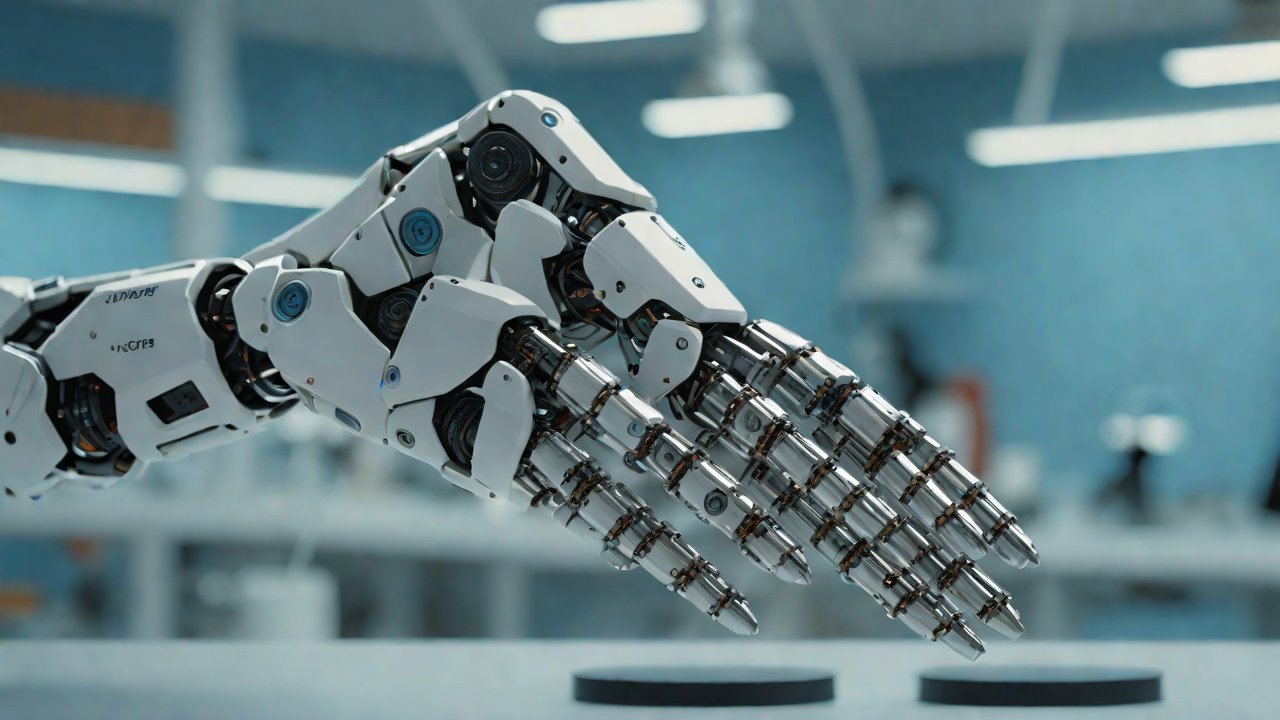
4. Conclusion
The development of soft grippers that can sense molecular forces is a rapidly advancing field with a wide range of market applications. As researchers continue to push the boundaries of materials science and sensing mechanisms, we can expect to see even more innovative solutions in the future.
5. Recommendations
Based on our analysis, we recommend that researchers and industry professionals continue to focus on developing new materials and sensing mechanisms that can detect and respond to molecular forces. We also recommend that companies invest in the development of soft grippers for industrial automation and robotics, as well as medical devices and healthcare applications.
6. Future Research Directions
Future research directions in the development of soft grippers that can sense molecular forces include:
- Developing new materials with unique properties that enable them to detect and respond to molecular forces
- Improving the sensitivity and robustness of sensing mechanisms
- Exploring new applications for soft grippers in industries such as aerospace and defense
By continuing to advance the field of molecular force sensing, we can expect to see even more innovative solutions in the future.
IOT Cloud Platform
IOT Cloud Platform is an IoT portal established by a Chinese IoT company, focusing on technical solutions in the fields of agricultural IoT, industrial IoT, medical IoT, security IoT, military IoT, meteorological IoT, consumer IoT, automotive IoT, commercial IoT, infrastructure IoT, smart warehousing and logistics, smart home, smart city, smart healthcare, smart lighting, etc.
The IoT Cloud Platform blog is a top IoT technology stack, providing technical knowledge on IoT, robotics, artificial intelligence (generative artificial intelligence AIGC), edge computing, AR/VR, cloud computing, quantum computing, blockchain, smart surveillance cameras, drones, RFID tags, gateways, GPS, 3D printing, 4D printing, autonomous driving, etc.



