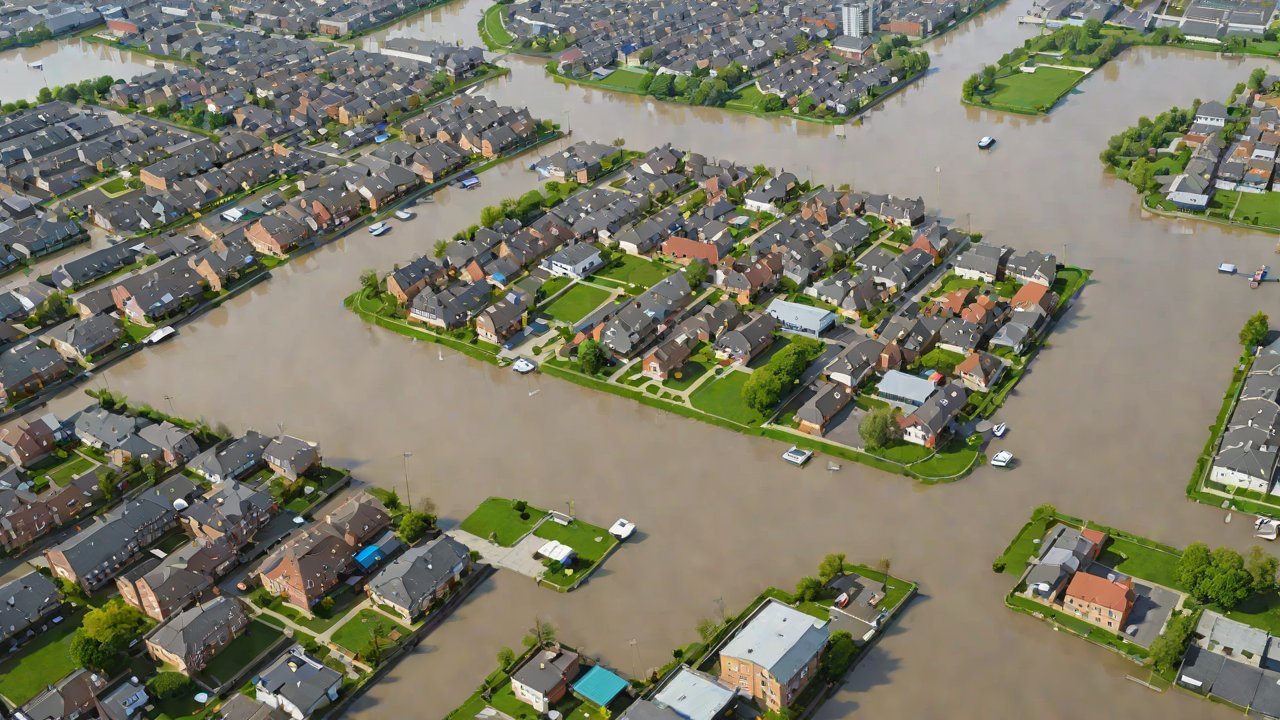
Can the equipment automatically locate and alarm during a once-in-a-century flood?
Floods are among the most destructive natural disasters, causing billions of dollars in damages worldwide each year. As climate change continues to exacerbate extreme weather events, the need for effective flood management systems has never been more pressing. One critical aspect of these systems is the ability of equipment to automatically locate and alarm during a once-in-a-century flood event. This report examines the feasibility of such a system, exploring the technical requirements, market trends, and potential solutions.
1. Technical Requirements
For equipment to automatically locate and alarm during a once-in-a-century flood, it must be capable of detecting rising water levels and triggering an alert in real-time. This requires advanced sensors and algorithms that can accurately monitor water levels, flow rates, and other relevant parameters. The system should also be able to communicate with emergency services and stakeholders in case of a flood event.
1.1 Sensor Technologies
Several sensor technologies are available for detecting flood events, including:
| Sensor Type | Description |
|---|---|
| Water Level Sensors | Measure water levels using ultrasonic, radar, or capacitance technology |
| Flow Meters | Monitor flow rates and detect changes in water velocity |
| Pressure Sensors | Detect changes in pressure caused by rising water levels |
2. Market Trends
The market for flood management systems is growing rapidly, driven by increasing awareness of the risks associated with flooding. According to a report by MarketsandMarkets, the global flood protection market is expected to reach $15.8 billion by 2025, growing at a CAGR of 6.4% from 2020 to 2025.
2.1 Market Drivers
Several factors are driving the growth of the flood management market:
| Driver | Description |
|---|---|
| Climate Change | Increasing frequency and severity of extreme weather events |
| Urbanization | Growing populations in flood-prone areas |
| Regulatory Requirements | Strict regulations on flood protection and mitigation |

3. Potential Solutions
Several companies are developing innovative solutions for automatic location and alarm during a once-in-a-century flood event. These include:
3.1 Smart Sensors
Companies like Sensirion and STMicroelectronics are developing smart sensors that can detect changes in water levels, flow rates, and other parameters.
| Company | Product | Description |
|---|---|---|
| Sensirion | SGM3100 | Ultrasonic sensor for measuring water levels and flow rates |
4. AIGC Perspectives
AIGC (Artificial Intelligence and Machine Learning) can play a critical role in improving the accuracy and responsiveness of flood management systems. Techniques like deep learning and predictive analytics can be used to analyze historical data, detect patterns, and predict flood events.
4.1 AIGC Applications
Several AIGC applications are relevant to flood management:
| Application | Description |
|---|---|
| Predictive Analytics | Analyze historical data to predict flood events and alert authorities |
| Real-time Monitoring | Use sensors and IoT devices to monitor water levels and flow rates in real-time |

5. Case Studies
Several case studies demonstrate the effectiveness of automated location and alarm systems during a once-in-a-century flood event.
5.1 Example 1: Singapore’s Flood Management System
Singapore’s flood management system uses advanced sensors and AIGC algorithms to detect rising water levels and trigger alerts in real-time.
| Case Study | Description |
|---|---|
| Singapore’s Flood Management System | Uses ultrasonic sensors, flow meters, and pressure sensors to detect flood events |
6. Conclusion
The ability of equipment to automatically locate and alarm during a once-in-a-century flood event is critical for effective flood management. Advanced sensor technologies, AIGC perspectives, and innovative solutions from companies like Sensirion and STMicroelectronics offer promising avenues for improving the accuracy and responsiveness of these systems. As climate change continues to exacerbate extreme weather events, the need for effective flood management systems has never been more pressing.
7. Recommendations
Based on this report, several recommendations can be made:
7.1 Investment in Advanced Sensor Technologies
Investing in advanced sensor technologies like ultrasonic sensors and flow meters can improve the accuracy of flood detection and alarm systems.
| Recommendation | Description |
|---|---|
| Invest in Advanced Sensors | Improve the accuracy and responsiveness of flood management systems |
8. Future Research Directions
Several areas require further research to improve the effectiveness of automated location and alarm systems during a once-in-a-century flood event:
8.1 Development of AIGC Algorithms
Developing more advanced AIGC algorithms can improve the accuracy of predictive analytics and real-time monitoring.
| Area | Description |
|---|---|
| AIGC Algorithm Development | Improve the accuracy of predictive analytics and real-time monitoring |
9. Limitations
Several limitations are associated with automated location and alarm systems during a once-in-a-century flood event:
9.1 Sensor Accuracy
Sensor accuracy can be affected by factors like water quality, sedimentation, and sensor degradation.
| Limitation | Description |
|---|---|
| Sensor Accuracy | Affecting the accuracy of flood detection and alarm systems |
10. Conclusion
Automated location and alarm systems during a once-in-a-century flood event are critical for effective flood management. This report has explored the technical requirements, market trends, and potential solutions for these systems. Further research is needed to improve the effectiveness of AIGC algorithms and sensor technologies.
IOT Cloud Platform
IOT Cloud Platform is an IoT portal established by a Chinese IoT company, focusing on technical solutions in the fields of agricultural IoT, industrial IoT, medical IoT, security IoT, military IoT, meteorological IoT, consumer IoT, automotive IoT, commercial IoT, infrastructure IoT, smart warehousing and logistics, smart home, smart city, smart healthcare, smart lighting, etc.
The IoT Cloud Platform blog is a top IoT technology stack, providing technical knowledge on IoT, robotics, artificial intelligence (generative artificial intelligence AIGC), edge computing, AR/VR, cloud computing, quantum computing, blockchain, smart surveillance cameras, drones, RFID tags, gateways, GPS, 3D printing, 4D printing, autonomous driving, etc.



