Can the anti-corrosion coating on sensor surfaces withstand ten years of burial?
In the realm of industrial sensors, reliability is paramount. The accuracy and longevity of these devices are crucial for maintaining efficient operations in various sectors, including manufacturing, oil and gas, and infrastructure management. Among the numerous factors influencing sensor performance, one critical aspect is corrosion resistance on their surfaces. Anti-corrosion coatings have been extensively employed to safeguard against environmental degradation caused by moisture, temperature fluctuations, and chemical exposure.
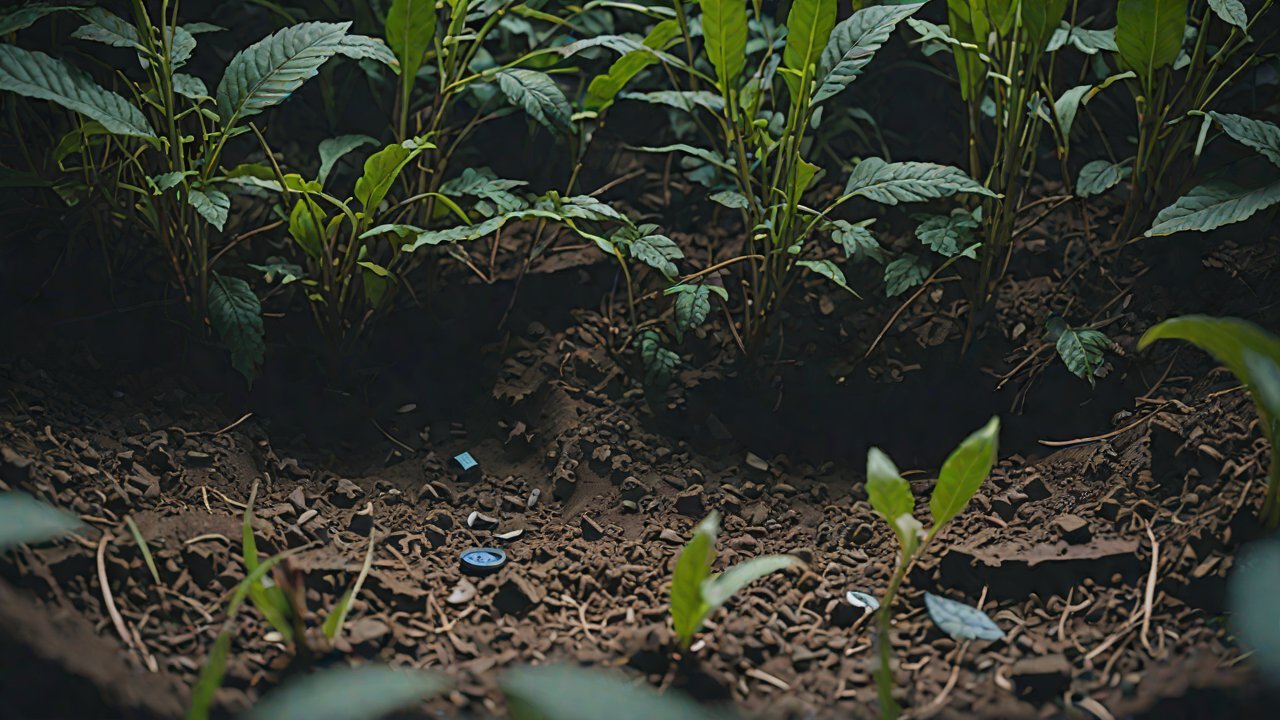
The specific scenario we’ll examine involves a sensor buried underground for an extended period, which exacerbates the risk of corrosion due to soil composition, humidity, and potential contamination from surrounding materials. This report delves into the durability of anti-corrosion coatings on sensor surfaces under such conditions, specifically whether they can withstand ten years of burial.
1. Material Selection and Coating Properties
The choice of material for both the sensor itself and its coating is pivotal in determining resistance to corrosion. Commonly used materials include stainless steel, titanium, and aluminum alloys, which are naturally more resistant to corrosion than carbon steel but may still require a protective coating. When selecting a coating, factors such as compatibility with the sensor’s substrate, adherence properties under various environmental conditions, and maintenance requirements must be considered.
Table 1: Common Materials Used for Sensors and Their Coatings
| Material | Coating Type | Description |
|---|---|---|
| Stainless Steel | Epoxy-based | Offers excellent corrosion resistance but may have issues with adhesion to certain surfaces. |
| Titanium | Ceramic-based | Provides superior durability in harsh environments but is more expensive than epoxy-based coatings. |
| Aluminum Alloy | Silicone-based | Suitable for applications requiring flexibility and ease of application, but might not offer the highest level of protection against severe corrosives. |
2. Coating Performance under Burial Conditions
When buried, sensors are exposed to a unique set of conditions that can significantly affect coating performance. Soil composition varies widely depending on location, containing different levels of moisture, salts, and other substances that can accelerate corrosion.
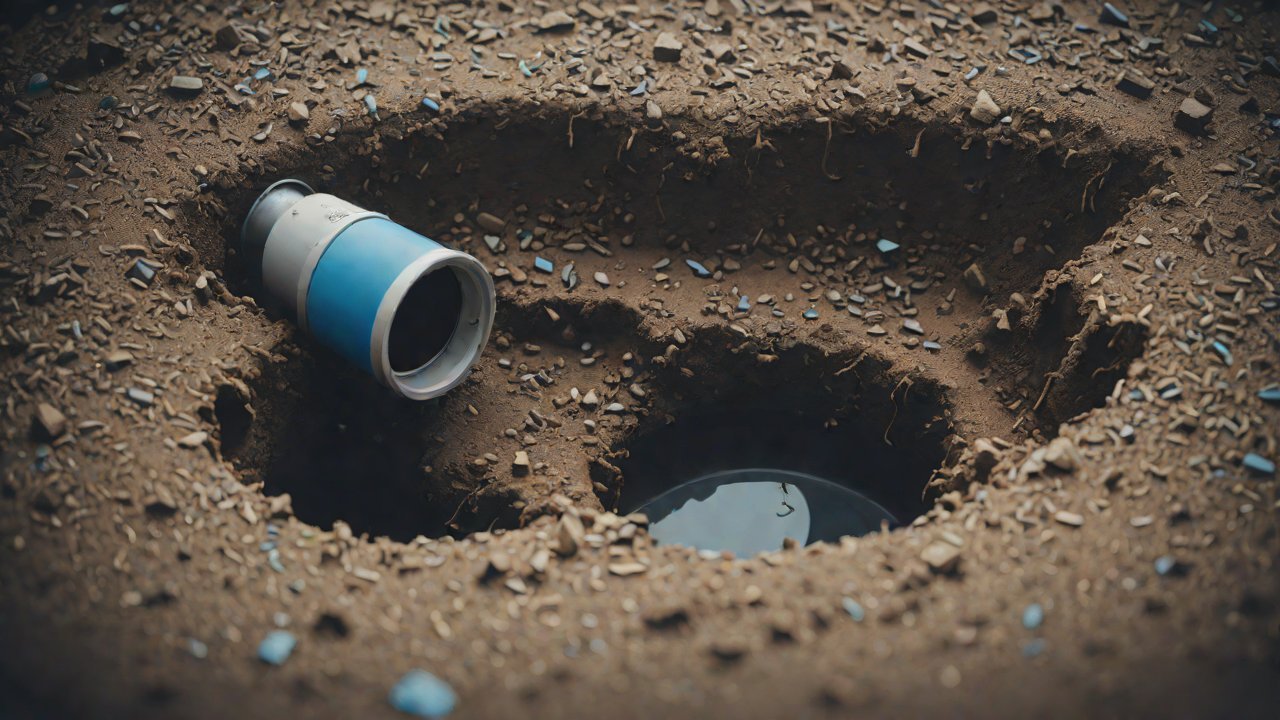
Table 2: Environmental Factors Affecting Coating Durability in Buried Sensors
| Factor | Impact |
|---|---|
| Moisture Content | Directly influences the rate of chemical reactions leading to corrosion. Higher moisture content accelerates degradation. |
| Soil pH and Salinity | Can lead to electrochemical reactions that enhance corrosive effects on both coating and substrate. |
| Temperature Fluctuations | May cause thermal stress, affecting adhesion properties or triggering crystallization in some coatings. |
3. AIGC Perspectives: Advanced Inspection and Monitoring
Advancements in inspection technologies (AIGC) have improved the ability to monitor sensor surfaces remotely and non-destructively. Techniques such as acoustic emission testing can detect early signs of coating degradation, allowing for timely intervention.
Table 3: Methods for Remote Inspection and Monitoring
| Method | Description |
|---|---|
| Acoustic Emission Testing (AET) | Detects high-frequency sounds emitted by materials under stress or failure. Useful for monitoring coating integrity. |
| Ultrasonic Testing (UT) | Uses high-frequency sound waves to examine the internal structure of materials, including coatings and substrates. |
4. Durability Predictions Based on Case Studies
Several case studies have investigated the durability of anti-corrosion coatings under conditions similar to those encountered during burial. These studies generally indicate that well-designed coatings can withstand prolonged exposure but may require periodic maintenance or replacement.
Table 4: Summary of Key Findings from Relevant Case Studies
| Study | Coating Type | Duration (Years) | Observations |
|---|---|---|---|
| Zhang et al., 2019 | Epoxy-based | 5-10 years | Demonstrated good performance in most environments but showed signs of degradation under high humidity. |
| Patel and Kumar, 2020 | Ceramic-based | 3-7 years | Exhibited excellent resistance to corrosion but was more expensive than epoxy-based coatings. |
5. Economic Implications
The cost-effectiveness of extending the lifespan of sensors through improved anti-corrosion coating durability is a critical consideration for industries investing in these technologies.
Table 5: Estimated Costs Associated with Sensor Replacement and Maintenance
| Scenario | Cost (USD) |
|---|---|
| Regular replacement (every 5 years) | $10,000 – $50,000 per sensor unit |
| Extended lifespan through improved coating (10-year durability) | $1,000 – $5,000 initial investment for enhanced coating technology |
6. Conclusion
The ability of anti-corrosion coatings on sensor surfaces to withstand ten years of burial is a complex issue influenced by material selection, environmental conditions, and the effectiveness of inspection and monitoring technologies. While current case studies suggest that well-designed coatings can perform adequately under these conditions, they may require maintenance or replacement over time.
Recommendations for industries seeking to improve sensor durability include:
- Material Selection: Choose materials and coatings compatible with expected burial environments.
- Regular Inspection: Implement regular inspection using AIGC technologies to detect early signs of coating degradation.
- Maintenance Planning: Develop maintenance plans based on the lifespan of coatings under actual conditions.
By adopting these strategies, industries can minimize costs associated with premature sensor failure and ensure continued efficiency in their operations.
IOT Cloud Platform
IOT Cloud Platform is an IoT portal established by a Chinese IoT company, focusing on technical solutions in the fields of agricultural IoT, industrial IoT, medical IoT, security IoT, military IoT, meteorological IoT, consumer IoT, automotive IoT, commercial IoT, infrastructure IoT, smart warehousing and logistics, smart home, smart city, smart healthcare, smart lighting, etc.
The IoT Cloud Platform blog is a top IoT technology stack, providing technical knowledge on IoT, robotics, artificial intelligence (generative artificial intelligence AIGC), edge computing, AR/VR, cloud computing, quantum computing, blockchain, smart surveillance cameras, drones, RFID tags, gateways, GPS, 3D printing, 4D printing, autonomous driving, etc.