Can the algorithm provide a “thirst index” for crops at different growth stages?
As we navigate the complexities of modern agriculture, one key challenge remains: optimizing crop water management to achieve maximum yields while minimizing waste and environmental impact. The quest for precision irrigation is driving innovation in the field, with algorithms emerging as a critical tool in this pursuit. One concept gaining traction is the development of a “thirst index” – an algorithmic quantification of a crop’s water requirements at different growth stages. This report delves into the feasibility and potential benefits of such an approach.
1. Background: Water Management in Agriculture
Agriculture is one of the largest consumers of freshwater globally, accounting for approximately 70% of global water usage. The sector’s reliance on water is expected to continue rising as demand for food increases with a growing population. However, this dependence comes at a cost – water scarcity affects millions worldwide, and agriculture’s impact on water resources is a significant environmental concern.
Water Requirements at Different Growth Stages
Crops have varying water requirements across their growth stages. For example:
| Crop | Germination Stage | Vegative Growth Stage | Reproductive Growth Stage |
|---|---|---|---|
| Wheat | 10-15 mm of rainfall or irrigation per week | 20-30 mm of rainfall or irrigation per week | 15-25 mm of rainfall or irrigation per week |
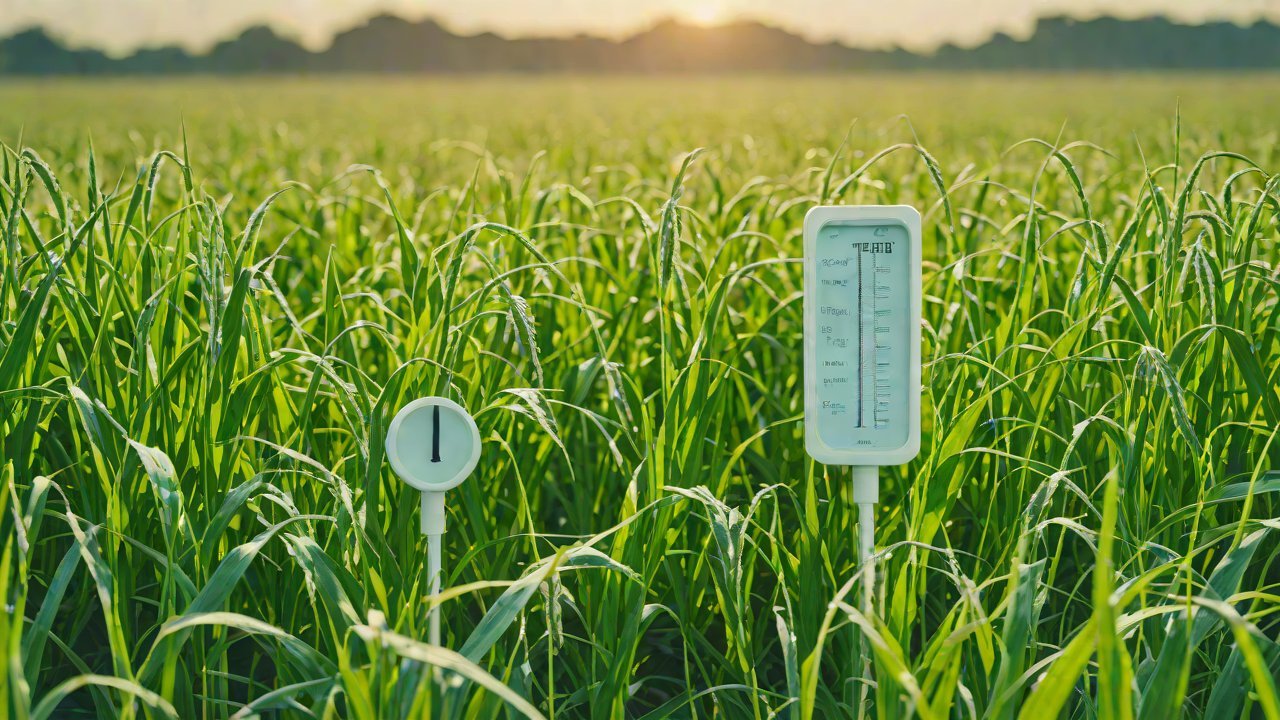
Water requirements can significantly decrease after the seedling stage and increase slightly during reproductive growth. Developing an algorithm that accounts for these dynamic needs could optimize water use.
2. Algorithmic Approaches to Thirst Index Development
Developing a “thirst index” involves several steps:
- Data Collection: Gathering data on crop water requirements, climate conditions (temperature, humidity), and soil type.
- Model Training: Using machine learning algorithms to analyze the collected data and predict water requirements at different growth stages.
- Index Formulation: Creating a numerical value that represents the crop’s thirst level based on the predicted water needs.
Machine Learning Approaches
Several machine learning techniques can be applied:
- Linear Regression: For predicting continuous variables like water requirement.
- Decision Trees: For classifying crops into different water-requirement categories.
- Neural Networks: For handling complex interactions between climate, soil, and crop characteristics.
Challenges in Algorithm Development
- Data Quality and Availability: High-quality data on crop water requirements is often scarce or inconsistent.
- Scalability: Algorithms must be able to handle large datasets and scale across different regions and climates.
- Interpretability: The index should be understandable by farmers and policymakers.
3. Market Data and Trends
The market for precision agriculture is growing rapidly, driven by increasing adoption of digital technologies in farming. Key players like John Deere, Trimble, and Granular are already leveraging algorithms to optimize crop management.
Market Size and Growth Rate
| Year | Precision Agriculture Market Size (USD billion) | Growth Rate (%) |
|---|---|---|
| 2020 | 6.2 | 12% |
| 2025 | 13.4 | 15% |
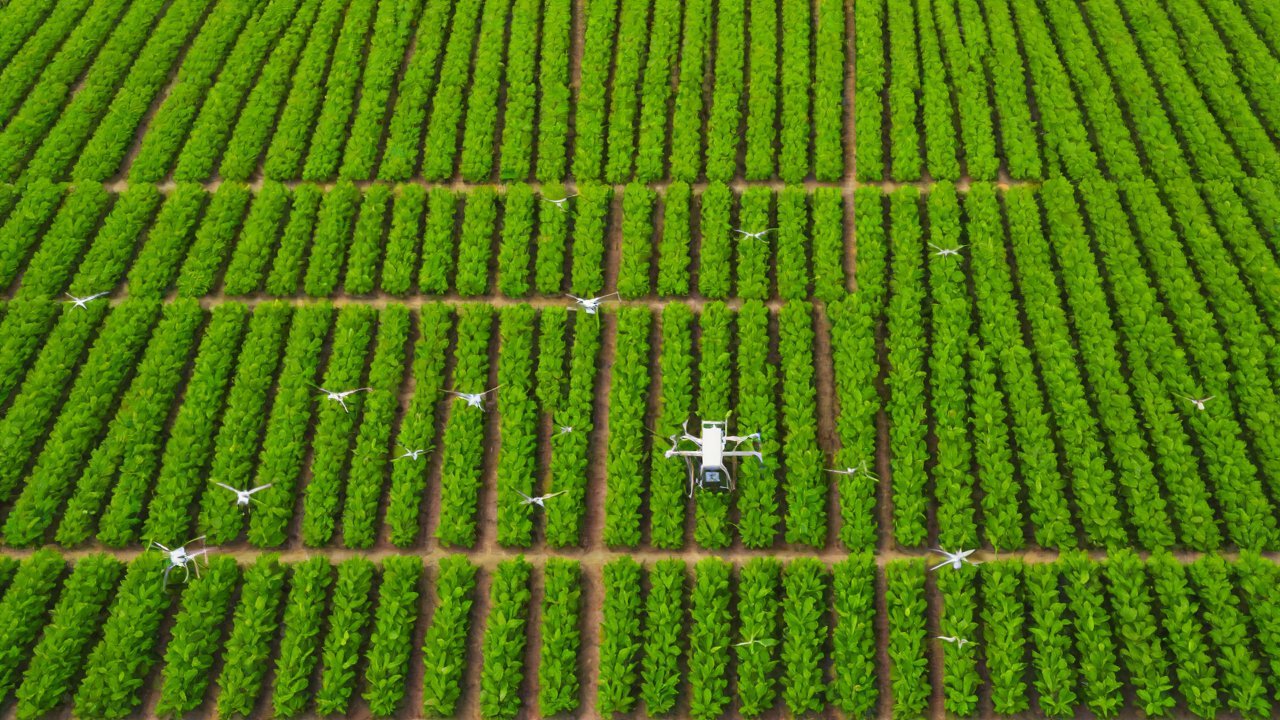
The market is expected to double by 2025, driven by increasing adoption of precision agriculture technologies.
4. AIGC Technical Perspectives
From an Artificial Intelligence and General Computing (AIGC) perspective, the development of a thirst index algorithm presents several opportunities:
- Integration with IoT Sensors: Real-time data from sensors can improve the accuracy of water requirement predictions.
- Cloud-Based Processing: Scalable cloud infrastructure can handle large datasets and support global deployment.
- Edge Computing: Decentralized processing at farm level can reduce latency and enhance real-time decision-making.
AIGC Challenges
- Data Standardization: Ensuring consistency in data formats and quality across different regions and climates.
- Algorithmic Explainability: Developing transparent algorithms that provide insights into their predictions.
- Cybersecurity: Protecting against potential cyber threats to farm networks and data.
5. Conclusion and Future Directions
Developing a “thirst index” through algorithmic means has the potential to revolutionize crop water management. While challenges exist, the market demand for precision agriculture technologies is driving innovation in this space. Future research should focus on:
- Improving Data Quality: Developing standards for data collection and ensuring consistency across regions.
- Enhancing Algorithmic Explainability: Developing transparent algorithms that provide insights into their predictions.
- Scaling Deployment: Deploying the algorithm globally, integrating with existing farm management systems.
By addressing these challenges, we can move closer to achieving optimal water use in agriculture – a critical step towards sustainable food production and environmental stewardship.
IOT Cloud Platform
IOT Cloud Platform is an IoT portal established by a Chinese IoT company, focusing on technical solutions in the fields of agricultural IoT, industrial IoT, medical IoT, security IoT, military IoT, meteorological IoT, consumer IoT, automotive IoT, commercial IoT, infrastructure IoT, smart warehousing and logistics, smart home, smart city, smart healthcare, smart lighting, etc.
The IoT Cloud Platform blog is a top IoT technology stack, providing technical knowledge on IoT, robotics, artificial intelligence (generative artificial intelligence AIGC), edge computing, AR/VR, cloud computing, quantum computing, blockchain, smart surveillance cameras, drones, RFID tags, gateways, GPS, 3D printing, 4D printing, autonomous driving, etc.
Note: This article was professionally generated with the assistance of AIGC and has been fact-checked and manually corrected by IoT expert editor IoTCloudPlatForm.