Can soil moisture sensors remain accurate in extremely cold conditions?
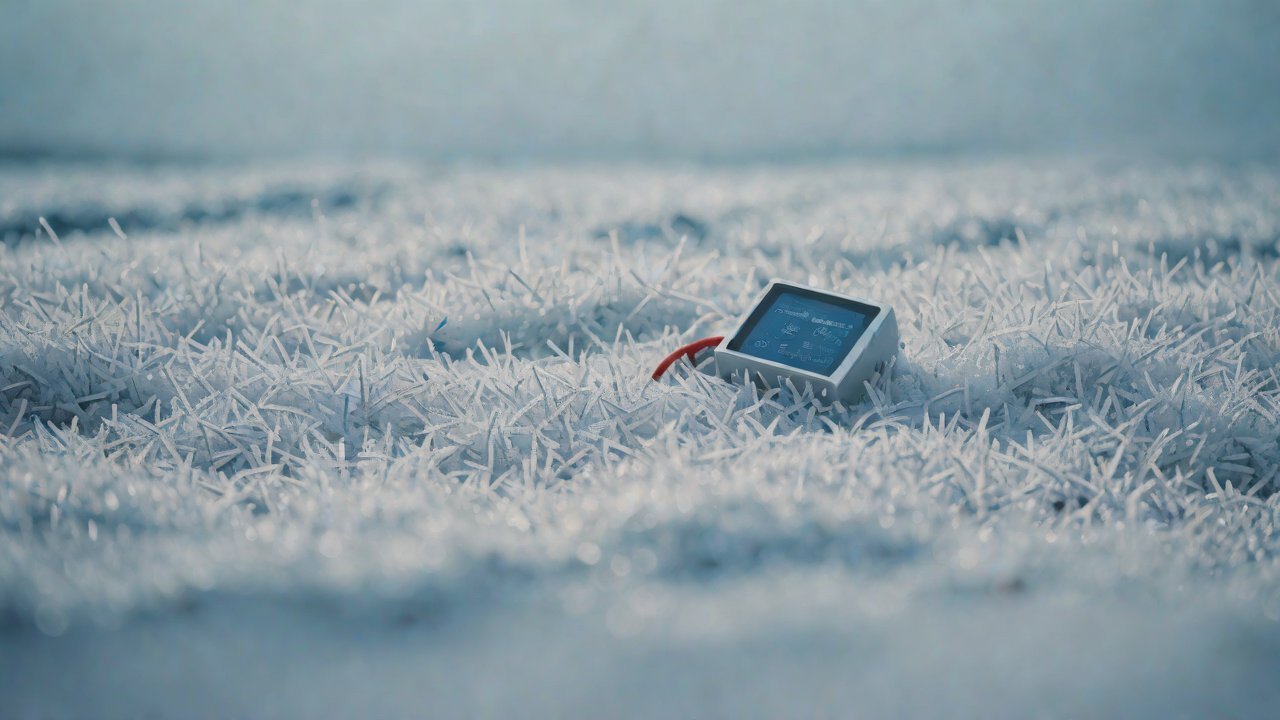
Soil moisture sensors are a crucial tool for farmers, researchers, and water management professionals worldwide. These sensors enable real-time monitoring of soil moisture levels, which is essential for optimizing irrigation systems, predicting crop yields, and understanding ecosystem dynamics. However, their accuracy can be compromised in extremely cold conditions, where the sensor’s performance may degrade due to temperature-related issues.
The demand for precise soil moisture measurements has led to significant advancements in sensor technology over the past decade. Modern sensors use a range of techniques, including capacitance, frequency domain reflectometry (FDR), and time-domain transmission (TDT) to measure soil moisture. Despite these innovations, many soil moisture sensors on the market are still susceptible to temperature-related errors.
1. Soil Moisture Sensors: An Overview
Soil moisture sensors can be broadly categorized into two types: contact and non-contact sensors. Contact sensors, such as those using capacitance or TDT techniques, come into direct physical contact with the soil. Non-contact sensors, including FDR-based systems, use a probe to measure the dielectric properties of the surrounding soil.
The choice of sensor technology depends on various factors, including soil type, depth, and moisture levels. For example, capacitive sensors are commonly used for shallow soil measurements (less than 1 meter), while TDT sensors are more suitable for deeper applications.
Table 1: Soil Moisture Sensor Technologies
| Technology | Description |
|---|---|
| Capacitance | Measures changes in capacitance between sensor and soil |
| Frequency Domain Reflectometry (FDR) | Uses a probe to measure dielectric properties of surrounding soil |
| Time-Domain Transmission (TDT) | Measures signal transmission time through the soil |

2. Temperature-Related Issues
Temperature is a critical factor affecting soil moisture sensors’ performance. As temperatures drop, the sensor’s accuracy can degrade due to various reasons:
- Sensor material limitations: Many sensors are made from materials that have limited operating temperature ranges.
- Electrical conductivity changes: Soil electrical conductivity decreases with decreasing temperatures, which affects sensor measurements.
- Dielectric constant variations: The dielectric constant of the soil increases with decreasing temperatures, leading to inaccurate measurements.
3. Sensor-Specific Temperature Limitations
Different sensors have varying temperature limitations:
- Capacitance sensors: Typically operate within -20°C to +50°C (-4°F to +122°F) temperature range.
- FDR sensors: Can operate in temperatures ranging from -40°C to +70°C (-40°F to +158°F).
- TDT sensors: Often have a wider operating temperature range, typically between -30°C and +60°C (-22°F to +140°F).
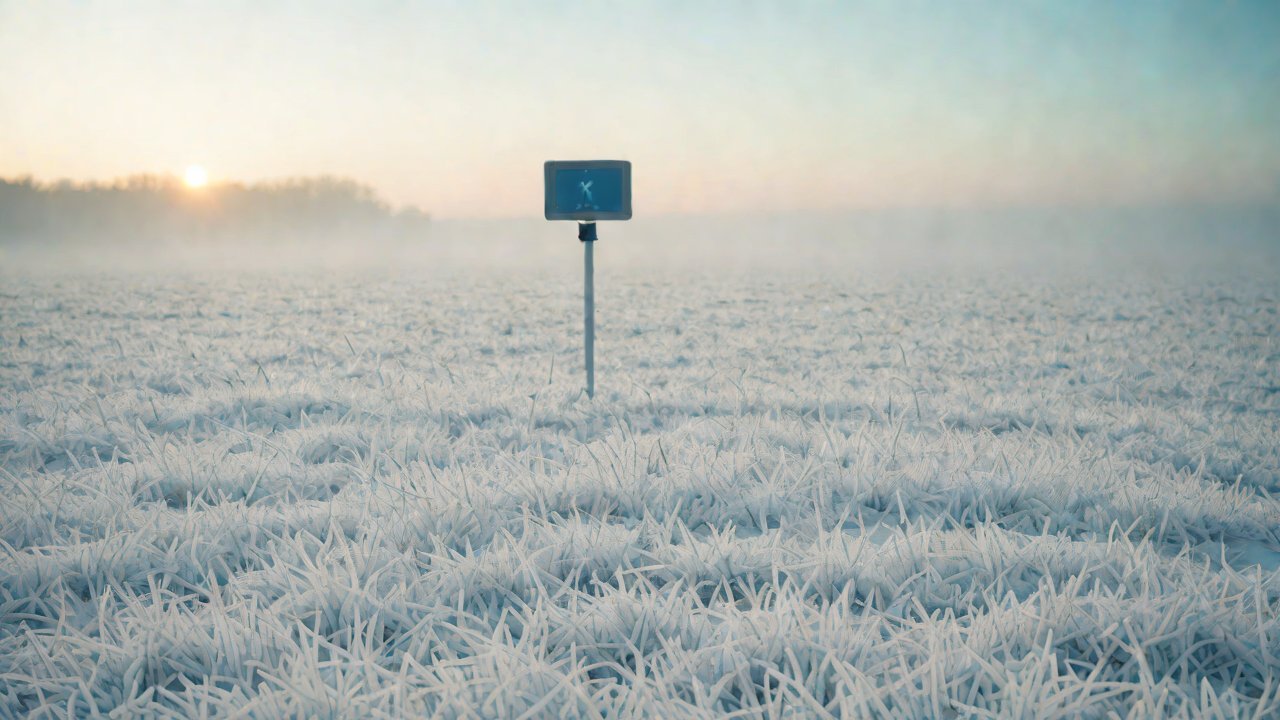
Table 2: Sensor-Specific Temperature Limitations
| Technology | Typical Operating Range |
|---|---|
| Capacitance | -20°C to +50°C (-4°F to +122°F) |
| FDR | -40°C to +70°C (-40°F to +158°F) |
| TDT | -30°C to +60°C (-22°F to +140°F) |

4. Market Demand and Technical Perspectives
The market demand for accurate soil moisture sensors in extreme cold conditions is growing rapidly:
- Precision agriculture: Farmers require precise irrigation management, especially in areas with limited water resources.
- Water resource management: Accurate soil moisture measurements help optimize water allocation and reduce waste.
- Climate change research: Scientists need reliable data to study the effects of climate change on ecosystems.
AIGC technical perspectives emphasize the importance of sensor accuracy in extreme cold conditions:
- Sensor development: Manufacturers are focusing on creating sensors with improved temperature stability and accuracy.
- Calibration procedures: Standardized calibration methods are being developed to ensure accurate measurements across different temperatures.
5. Future Research Directions
To address the challenges posed by extremely cold conditions, future research should focus on:
- Sensor material innovations: Developing materials that can withstand extreme temperatures without compromising sensor accuracy.
- Advanced calibration techniques: Creating standardized calibration methods for various sensor technologies and operating temperatures.
- Multi-sensor approaches: Integrating multiple sensors to improve overall system accuracy and robustness.
In conclusion, while soil moisture sensors face significant challenges in extremely cold conditions, advancements in technology and market demand are driving innovation. By understanding the limitations of current sensors and developing new solutions, we can ensure accurate soil moisture measurements even in the most extreme temperatures.
IOT Cloud Platform
IOT Cloud Platform is an IoT portal established by a Chinese IoT company, focusing on technical solutions in the fields of agricultural IoT, industrial IoT, medical IoT, security IoT, military IoT, meteorological IoT, consumer IoT, automotive IoT, commercial IoT, infrastructure IoT, smart warehousing and logistics, smart home, smart city, smart healthcare, smart lighting, etc.
The IoT Cloud Platform blog is a top IoT technology stack, providing technical knowledge on IoT, robotics, artificial intelligence (generative artificial intelligence AIGC), edge computing, AR/VR, cloud computing, quantum computing, blockchain, smart surveillance cameras, drones, RFID tags, gateways, GPS, 3D printing, 4D printing, autonomous driving, etc.