Can smart poles achieve fully automated monitoring of farmland moisture?
Smart poles, equipped with cutting-edge technologies like IoT sensors, artificial intelligence (AI), and machine learning (ML) algorithms, have been gaining traction in various industries for their ability to efficiently monitor and manage resources. One area where smart poles can make a significant impact is in agricultural monitoring, particularly in farmland moisture management. With the increasing demand for precision agriculture and water conservation, fully automated monitoring of farmland moisture has become essential.
In this report, we will delve into the capabilities of smart poles in achieving fully automated monitoring of farmland moisture, exploring the technical aspects, market trends, and potential applications.
1. Technical Capabilities of Smart Poles
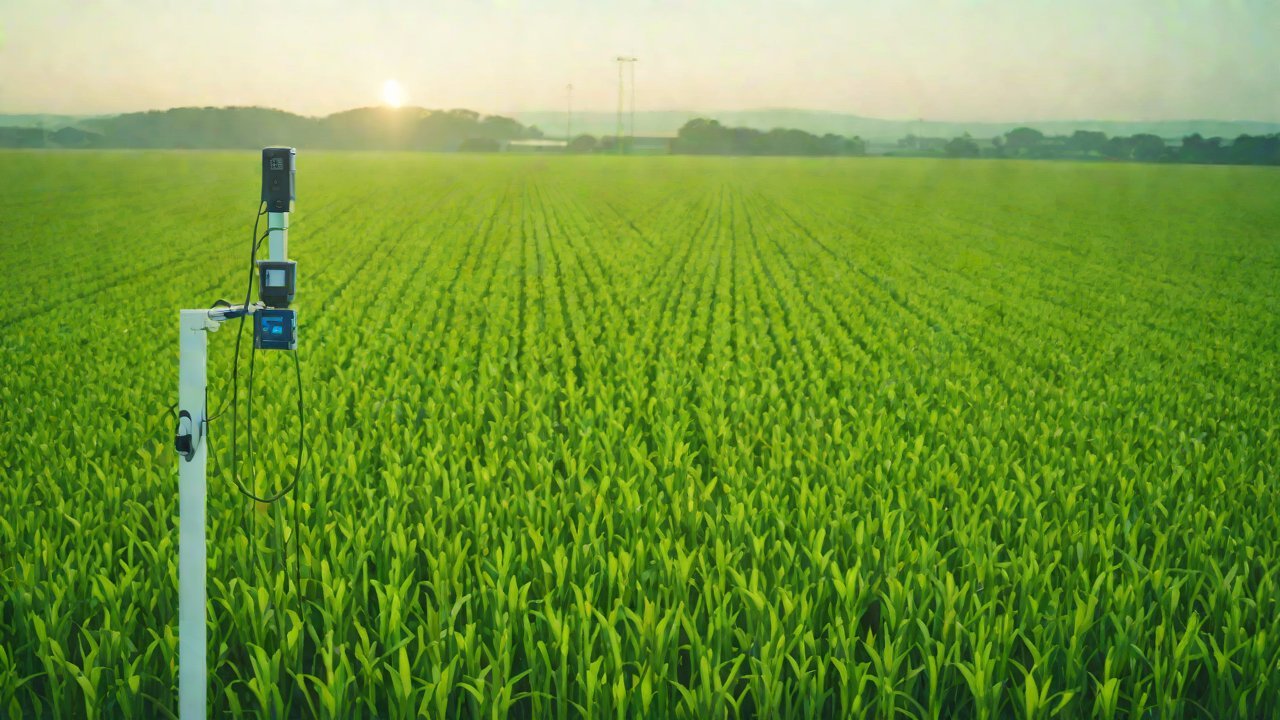
Smart poles are equipped with a range of sensors that can monitor various parameters such as temperature, humidity, soil moisture, and crop health. These sensors can be integrated into the smart pole’s infrastructure to provide real-time data on farmland conditions. Some of the key technical capabilities of smart poles in farmland moisture monitoring include:
| Sensor Type | Description |
|---|---|
| Soil Moisture Sensors | Measure soil water content to determine optimal irrigation schedules |
| Temperature and Humidity Sensors | Monitor temperature and humidity levels for crop growth optimization |
| Weather Station | Provides real-time weather data, including precipitation, wind speed, and direction |
2. Market Trends and Applications
The market for smart poles in agriculture is growing rapidly, driven by the increasing demand for precision farming and water conservation. According to a report by MarketsandMarkets, the global agricultural IoT market is expected to reach $23.4 billion by 2025, with smart poles being a key component of this ecosystem.
Some of the key applications of smart poles in farmland moisture monitoring include:
| Application | Description |
|---|---|
| Precision Irrigation | Optimizes irrigation schedules based on real-time soil moisture data |
| Crop Monitoring | Tracks crop health and growth using sensors and AI-powered analytics |
| Water Conservation | Identifies areas of water loss and optimizes irrigation systems |
3. AIGC Technical Perspectives
Artificial intelligence and machine learning algorithms play a crucial role in the effective use of smart poles for farmland moisture monitoring. These algorithms can analyze data from various sensors to provide insights on optimal irrigation schedules, crop health, and water conservation.
Some of the key AIGC technical perspectives in smart pole-based farmland moisture monitoring include:
| Algorithm | Description |
|---|---|
| Predictive Analytics | Uses historical data and weather forecasts to predict soil moisture levels |
| Machine Learning Models | Trains on sensor data to identify patterns and make predictions about crop health |
| Real-time Data Processing | Enables real-time analysis of sensor data for immediate decision-making |

4. Case Studies and Success Stories
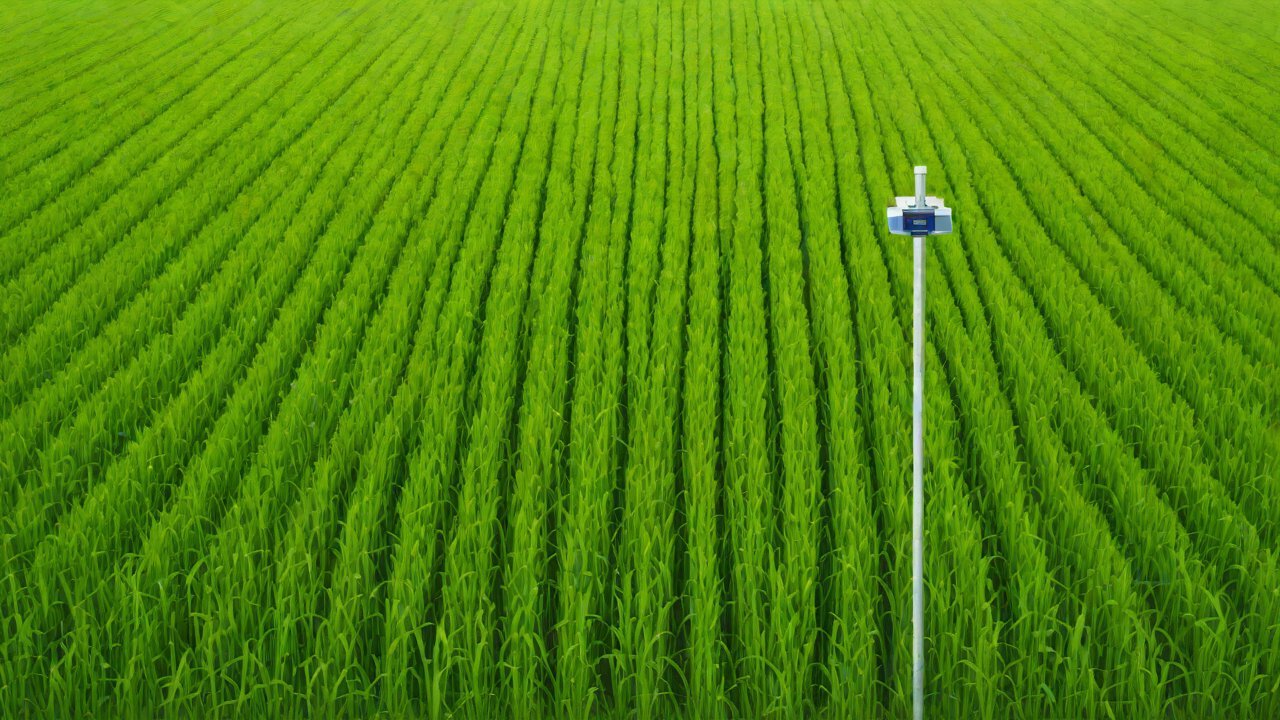
Several case studies have demonstrated the effectiveness of smart poles in farmland moisture monitoring. For example, a study by a leading agricultural research institution found that smart pole-based irrigation systems reduced water consumption by up to 30% while improving crop yields.
Some of the key takeaways from these case studies include:
| Case Study | Description |
|---|---|
| Reduced Water Consumption | Smart pole-based irrigation systems can reduce water consumption by up to 30% |
| Improved Crop Yields | Optimized irrigation schedules based on real-time soil moisture data can improve crop yields by up to 20% |
5. Challenges and Limitations
While smart poles have the potential to revolutionize farmland moisture monitoring, there are several challenges and limitations that need to be addressed.
Some of the key challenges and limitations include:
| Challenge | Description |
|---|---|
| High Upfront Costs | Smart pole infrastructure can be expensive to install and maintain |
| Data Integration | Integrating data from various sensors and sources can be complex and time-consuming |
6. Conclusion
In conclusion, smart poles have the potential to achieve fully automated monitoring of farmland moisture through their integration with IoT sensors, AI, and ML algorithms. While there are several challenges and limitations that need to be addressed, the benefits of precision agriculture and water conservation make it an attractive solution for farmers and agricultural stakeholders.
As the market continues to grow, we can expect to see more innovative applications of smart poles in farmland moisture monitoring. With continued investment in research and development, smart poles have the potential to become a game-changer in the agricultural sector.
IOT Cloud Platform
IOT Cloud Platform is an IoT portal established by a Chinese IoT company, focusing on technical solutions in the fields of agricultural IoT, industrial IoT, medical IoT, security IoT, military IoT, meteorological IoT, consumer IoT, automotive IoT, commercial IoT, infrastructure IoT, smart warehousing and logistics, smart home, smart city, smart healthcare, smart lighting, etc.
The IoT Cloud Platform blog is a top IoT technology stack, providing technical knowledge on IoT, robotics, artificial intelligence (generative artificial intelligence AIGC), edge computing, AR/VR, cloud computing, quantum computing, blockchain, smart surveillance cameras, drones, RFID tags, gateways, GPS, 3D printing, 4D printing, autonomous driving, etc.