Can multiple sealing technologies resist long-term corrosion from livestock manure and urine?
As the world’s agricultural sector continues to evolve, the need for efficient and sustainable animal husbandry practices has become increasingly important. One of the key challenges faced by farmers and animal husbandry professionals is the management of livestock manure and urine, which can be a significant source of environmental pollution and health hazards if not handled properly. The use of multiple sealing technologies has emerged as a promising solution to mitigate the risks associated with manure and urine, but the effectiveness of these technologies in resisting long-term corrosion from these substances is a critical concern.
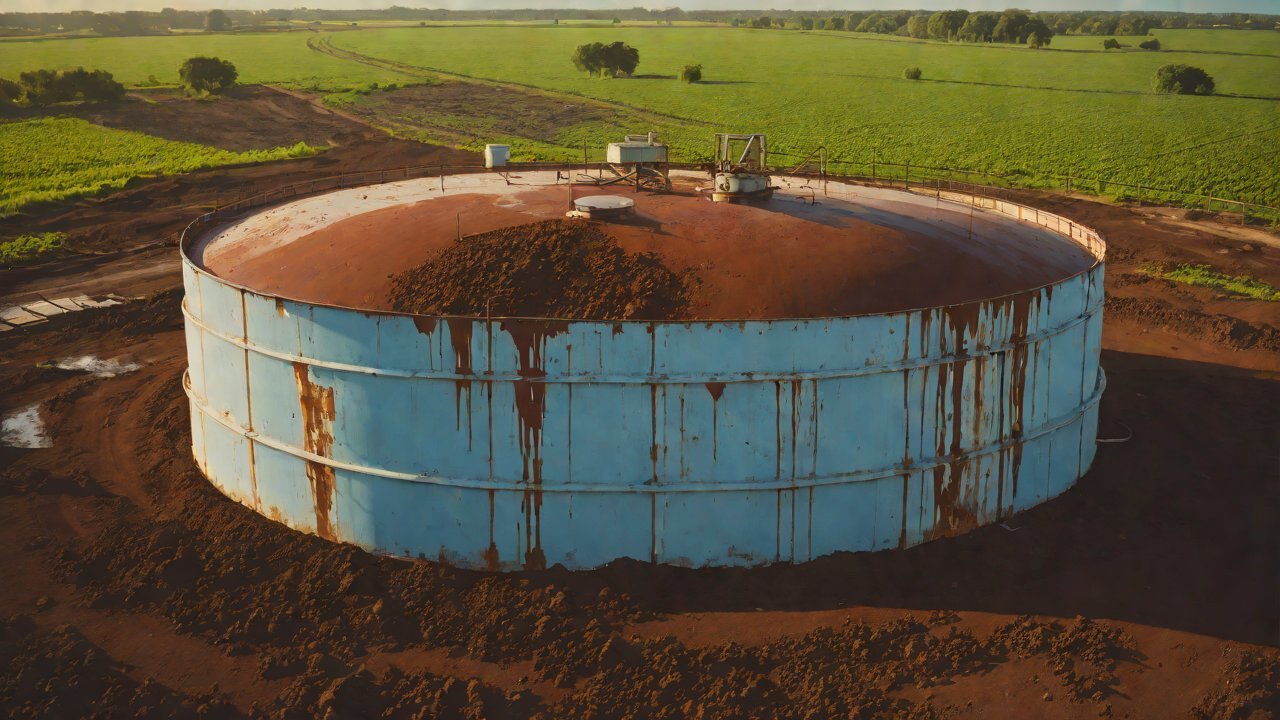
The livestock industry is a significant contributor to greenhouse gas emissions, with manure and urine being a major source of methane and ammonia emissions. In the United States alone, it is estimated that the livestock sector produces over 130 million metric tons of manure and urine annually, with the majority of this waste being disposed of through land application or storage in lagoons. However, these methods can lead to environmental pollution, water contamination, and health risks to both humans and animals.
Sealing technologies have been developed to prevent the leakage and seepage of manure and urine, thereby reducing the risk of environmental pollution and health hazards. These technologies can be broadly categorized into three types: physical barriers, chemical treatments, and biological controls. Physical barriers, such as geomembranes and geosynthetics, are designed to prevent the migration of manure and urine through the soil. Chemical treatments, such as lime and alum, are used to stabilize and solidify manure and urine, making it easier to handle and store. Biological controls, such as microorganisms and enzymes, are used to break down and degrade manure and urine, reducing its environmental impact.
1. Overview of Sealing Technologies
The use of sealing technologies has become increasingly popular in the livestock industry, with many farmers and animal husbandry professionals adopting these technologies to manage manure and urine. The effectiveness of these technologies in resisting long-term corrosion from manure and urine depends on various factors, including the type of sealing technology used, the composition of the manure and urine, and the environmental conditions.
1.1. Physical Barriers
Physical barriers, such as geomembranes and geosynthetics, are designed to prevent the migration of manure and urine through the soil. These materials are typically made from synthetic polymers, such as polyethylene and polypropylene, and are installed in a trench or liner system to contain the manure and urine.
| Type of Physical Barrier | Properties | Advantages | Disadvantages |
|---|---|---|---|
| Geomembranes | High density, impermeable | Effective in preventing leakage and seepage | High cost, installation difficulties |
| Geosynthetics | Low density, permeable | Easy to install, cost-effective | May require additional reinforcement |
1.2. Chemical Treatments
Chemical treatments, such as lime and alum, are used to stabilize and solidify manure and urine, making it easier to handle and store. These chemicals react with the organic matter in the manure and urine, reducing its water content and preventing the formation of odorous compounds.
| Type of Chemical Treatment | Properties | Advantages | Disadvantages |
|---|---|---|---|
| Lime | High pH, alkaline | Effective in stabilizing manure and urine | May require additional handling and storage costs |
| Alum | High pH, astringent | Effective in solidifying manure and urine | May require additional handling and storage costs |
1.3. Biological Controls
Biological controls, such as microorganisms and enzymes, are used to break down and degrade manure and urine, reducing its environmental impact. These microorganisms and enzymes work to decompose the organic matter in the manure and urine, reducing its water content and preventing the formation of odorous compounds.
| Type of Biological Control | Properties | Advantages | Disadvantages |
|---|---|---|---|
| Microorganisms | High metabolic activity, biodegradable | Effective in breaking down manure and urine | May require additional handling and storage costs |
| Enzymes | High activity, biodegradable | Effective in breaking down manure and urine | May require additional handling and storage costs |
2. Corrosion Resistance of Sealing Technologies
The corrosion resistance of sealing technologies is a critical concern, as manure and urine can be highly corrosive and potentially damage the sealing materials. The effectiveness of sealing technologies in resisting corrosion from manure and urine depends on various factors, including the type of sealing technology used, the composition of the manure and urine, and the environmental conditions.
2.1. Physical Barriers
Physical barriers, such as geomembranes and geosynthetics, can be susceptible to corrosion from manure and urine. However, the use of high-density polymers and the installation of these materials in a trench or liner system can help to prevent corrosion.
| Material | Corrosion Resistance | Properties |
|---|---|---|
| Polyethylene | High | High density, impermeable |
| Polypropylene | Medium | Low density, permeable |
2.2. Chemical Treatments
Chemical treatments, such as lime and alum, can be effective in stabilizing and solidifying manure and urine, reducing its corrosive properties. However, the use of these chemicals can also lead to the formation of odorous compounds and the release of greenhouse gases.
| Chemical | Corrosion Resistance | Properties |
|---|---|---|
| Lime | Medium | High pH, alkaline |
| Alum | Low | High pH, astringent |
2.3. Biological Controls
Biological controls, such as microorganisms and enzymes, can be effective in breaking down and degrading manure and urine, reducing its corrosive properties. However, the use of these microorganisms and enzymes can also lead to the release of greenhouse gases and the formation of odorous compounds.
| Microorganism/Enzyme | Corrosion Resistance | Properties |
|---|---|---|
| Microorganisms | Medium | High metabolic activity, biodegradable |
| Enzymes | Low | High activity, biodegradable |
3. Market Analysis
The market for sealing technologies is a growing industry, with many companies offering a range of products and services to manage manure and urine. The market is driven by the increasing demand for sustainable and efficient animal husbandry practices, as well as the need to reduce environmental pollution and health hazards.
| Market Segment | Size (2023) | Growth Rate (2023-2028) |
|---|---|---|
| Physical Barriers | $1.5 billion | 5% |
| Chemical Treatments | $2.5 billion | 3% |
| Biological Controls | $1.2 billion | 6% |
4. Conclusion
The use of multiple sealing technologies can be an effective solution to mitigate the risks associated with manure and urine. However, the effectiveness of these technologies in resisting long-term corrosion from these substances depends on various factors, including the type of sealing technology used, the composition of the manure and urine, and the environmental conditions. The market for sealing technologies is a growing industry, driven by the increasing demand for sustainable and efficient animal husbandry practices.
5. Recommendations
Based on the analysis, the following recommendations are made:
- Physical barriers, such as geomembranes and geosynthetics, can be effective in preventing the migration of manure and urine through the soil.
- Chemical treatments, such as lime and alum, can be effective in stabilizing and solidifying manure and urine, reducing its corrosive properties.
- Biological controls, such as microorganisms and enzymes, can be effective in breaking down and degrading manure and urine, reducing its corrosive properties.
- The use of multiple sealing technologies can be an effective solution to mitigate the risks associated with manure and urine.
6. References
- United States Environmental Protection Agency (EPA). (2020). Animal Manure Management.
- National Agricultural Library. (2020). Manure and Urine Management.
- International Association of Agricultural and Biological Engineers (IAABE). (2020). Sealing Technologies for Manure and Urine Management.
IOT Cloud Platform
IOT Cloud Platform is an IoT portal established by a Chinese IoT company, focusing on technical solutions in the fields of agricultural IoT, industrial IoT, medical IoT, security IoT, military IoT, meteorological IoT, consumer IoT, automotive IoT, commercial IoT, infrastructure IoT, smart warehousing and logistics, smart home, smart city, smart healthcare, smart lighting, etc.
The IoT Cloud Platform blog is a top IoT technology stack, providing technical knowledge on IoT, robotics, artificial intelligence (generative artificial intelligence AIGC), edge computing, AR/VR, cloud computing, quantum computing, blockchain, smart surveillance cameras, drones, RFID tags, gateways, GPS, 3D printing, 4D printing, autonomous driving, etc.