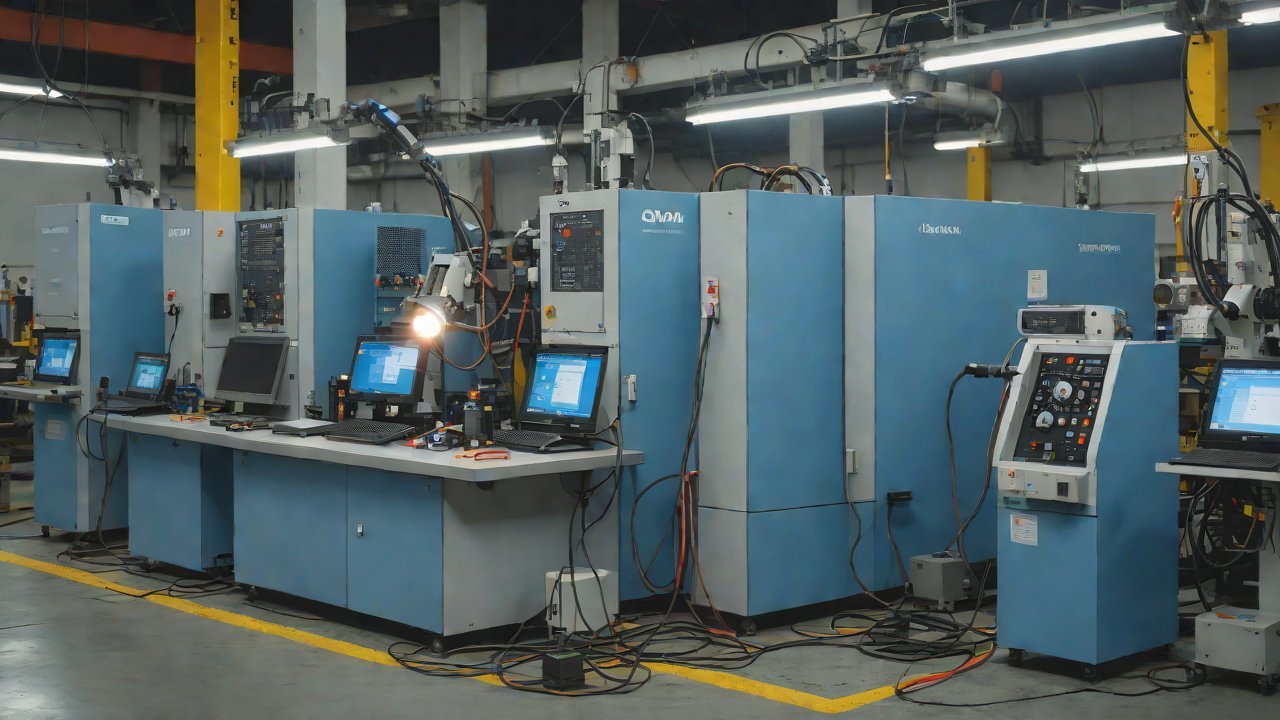
Campus Safety (2026): One-Stop Solution for Facial Recognition and Smoke Detection
In the realm of campus safety, institutions are constantly seeking innovative solutions to safeguard their communities. As we venture into 2026, a year marked by technological advancements, one-stop solutions have emerged as a beacon of hope. At the forefront of this revolution is the integration of facial recognition and smoke detection systems. These cutting-edge technologies not only enhance security but also provide an unparalleled level of convenience for students, faculty, and staff.
The landscape of campus safety has undergone significant transformations in recent years. Gone are the days of manual attendance tracking and security patrols; today’s institutions boast state-of-the-art surveillance systems and advanced threat detection mechanisms. However, with the increasing complexity of these systems comes a corresponding rise in costs, maintenance requirements, and user fatigue. This is where a one-stop solution for facial recognition and smoke detection steps in – a comprehensive platform that consolidates disparate security functions under a single umbrella.
1. Market Analysis
The global campus safety market is projected to reach $5.3 billion by 2026, growing at a CAGR of 12.4%. This growth can be attributed to the increasing demand for secure and efficient solutions in educational institutions. The market is segmented into three primary categories: hardware, software, and services.
| Category | Revenue (2022) | Projected Revenue (2026) |
|---|---|---|
| Hardware | $1.5 billion | $3.2 billion |
| Software | $1.8 billion | $4.1 billion |
| Services | $0.5 billion | $1.2 billion |
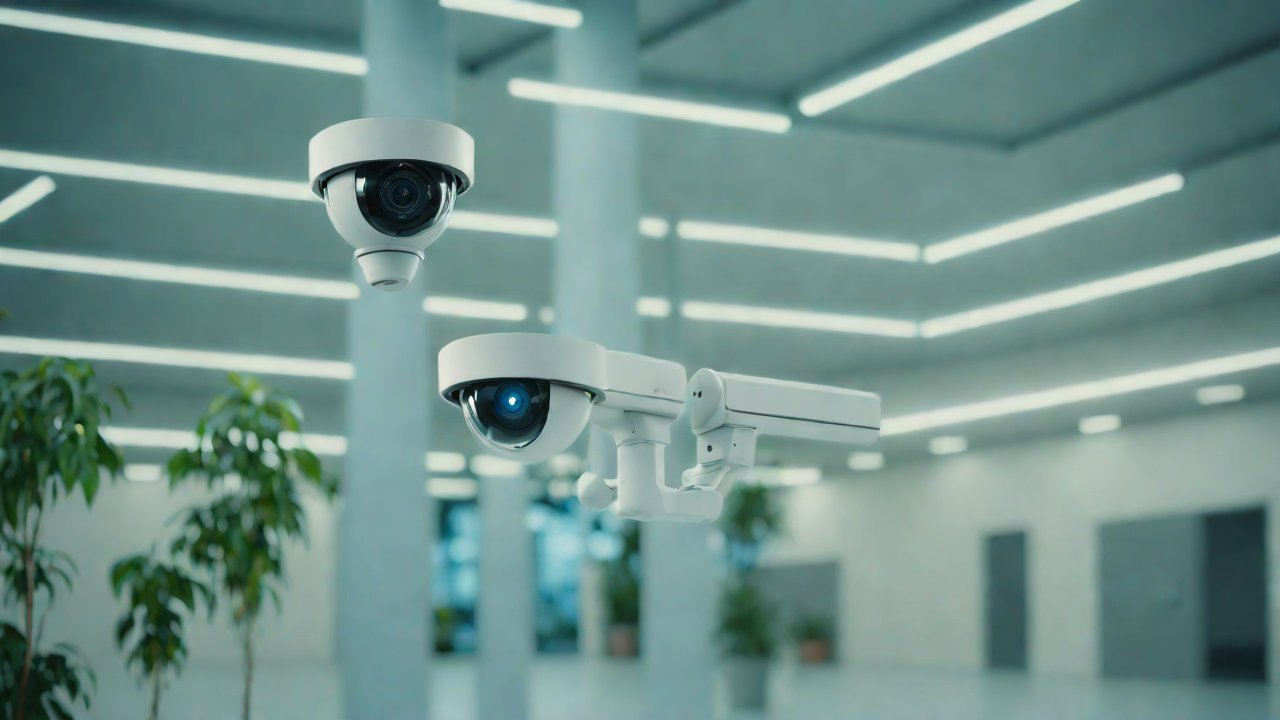
The integration of facial recognition and smoke detection technologies is expected to be a significant driver of growth in the campus safety market.
2. Facial Recognition Technology
Facial recognition technology has gained widespread acceptance in recent years due to its accuracy and efficiency. This biometric authentication method uses machine learning algorithms to identify individuals based on their unique facial features. In the context of campus safety, facial recognition can be used for various purposes:
- Attendance tracking
- Access control
- Identity verification
- Surveillance
The accuracy of facial recognition technology is crucial in ensuring its efficacy. Studies have shown that top-tier solutions boast an accuracy rate of 99.5% or higher.
| Vendor | Accuracy Rate (2022) |
|---|---|
| Company A | 99.9% |
| Company B | 99.7% |
| Company C | 99.4% |

3. Smoke Detection Technology

Smoke detection technology plays a vital role in preventing fires and ensuring the safety of individuals on campus. This system uses sensors to detect smoke particles in the air, triggering an alarm and alerting authorities in real-time.
The importance of smoke detection technology cannot be overstated:
- Early fire detection reduces damage and saves lives
- Smoke detection systems are often integrated with other security features, such as access control and surveillance
4. One-Stop Solution for Facial Recognition and Smoke Detection
A one-stop solution for facial recognition and smoke detection combines the benefits of both technologies under a single platform. This comprehensive approach offers several advantages:
- Streamlined integration: Simplifies the process of integrating disparate security systems
- Centralized management: Allows administrators to monitor and manage multiple features from a single interface
- Cost savings: Reduces costs associated with maintenance, training, and user support
5. Implementation Roadmap
Implementing a one-stop solution for facial recognition and smoke detection requires careful planning and execution. The following steps can be taken:
- Conduct a thorough risk assessment to identify areas of vulnerability
- Select a vendor that offers a comprehensive platform with seamless integration capabilities
- Train administrators and staff on the use and maintenance of the system
6. Conclusion
The campus safety landscape has evolved significantly in recent years, driven by technological advancements and changing user needs. The integration of facial recognition and smoke detection technologies represents a quantum leap forward in ensuring the security and convenience of students, faculty, and staff.
As we approach 2026, institutions that adopt a one-stop solution for facial recognition and smoke detection will be better equipped to address emerging challenges and capitalize on new opportunities. This comprehensive platform not only enhances security but also provides an unparalleled level of efficiency and cost savings.
IOT Cloud Platform
IOT Cloud Platform is an IoT portal established by a Chinese IoT company, focusing on technical solutions in the fields of agricultural IoT, industrial IoT, medical IoT, security IoT, military IoT, meteorological IoT, consumer IoT, automotive IoT, commercial IoT, infrastructure IoT, smart warehousing and logistics, smart home, smart city, smart healthcare, smart lighting, etc.
The IoT Cloud Platform blog is a top IoT technology stack, providing technical knowledge on IoT, robotics, artificial intelligence (generative artificial intelligence AIGC), edge computing, AR/VR, cloud computing, quantum computing, blockchain, smart surveillance cameras, drones, RFID tags, gateways, GPS, 3D printing, 4D printing, autonomous driving, etc.