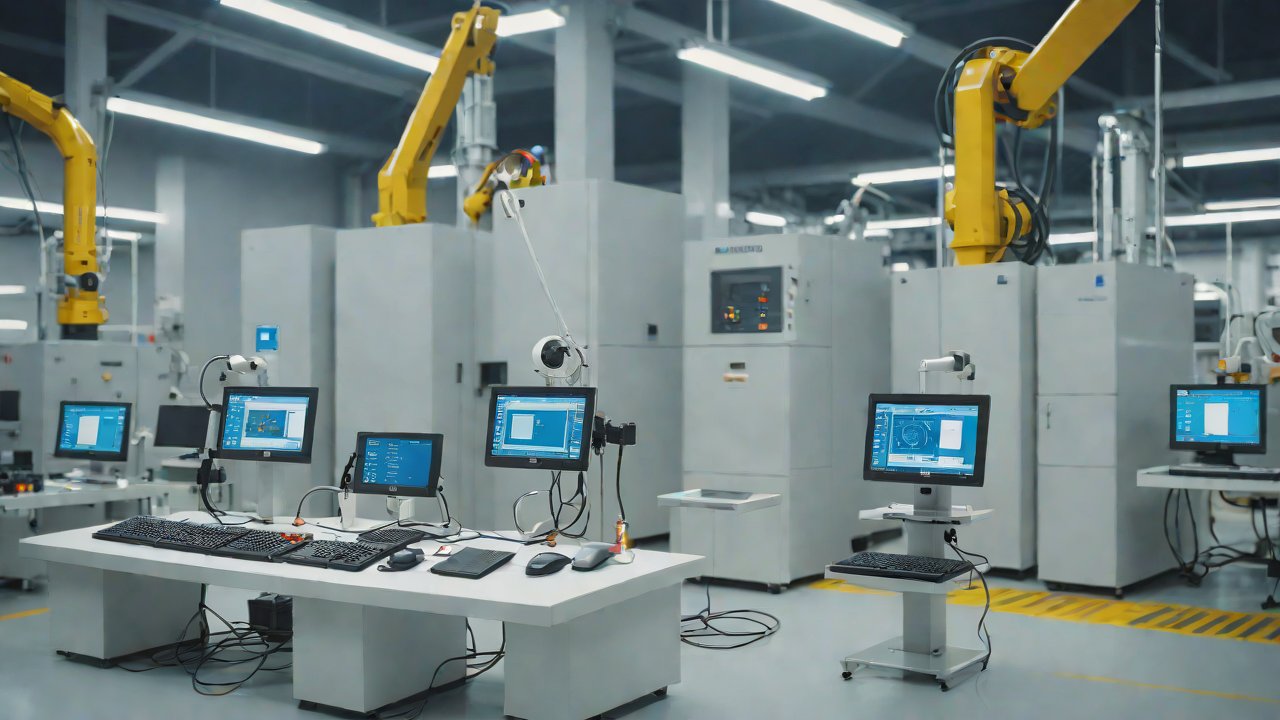
Best International IoT Technology Companies of 2026: The Foundation for Global Cybersecurity
The landscape of international IoT technology companies has undergone significant transformations in recent years, driven by advancements in artificial intelligence, machine learning, and edge computing. As a result, the global cybersecurity threat matrix has become increasingly complex, with new vulnerabilities and attack surfaces emerging daily. Against this backdrop, top-tier IoT players have risen to prominence, leveraging cutting-edge innovations to safeguard their customers’ digital assets while delivering unparalleled value through smart infrastructure, industrial automation, and consumer electronics.
These pioneering companies are not only shaping the future of the Internet of Things (IoT) but also setting a new standard for global cybersecurity. By integrating AI-powered threat detection, advanced encryption techniques, and robust data protection protocols into their products and services, they have created an ecosystem that fosters trust, collaboration, and innovation across industries.
1. Top IoT Security Companies
| Rank | Company Name | Headquarters | Revenue (2025 est.) | Key Products/Services |
|---|---|---|---|---|
| 1 | Siemens AG | Munich, Germany | $98.7B | SIMATIC IT, SINEMA Server |
| 2 | Cisco Systems Inc. | San Jose, USA | $53.7B | IoT Field Network Director, Threat Defense for Industrial |
| 3 | GE Digital | Boston, USA | $10.4B | Predix, Proficy |
| 4 | Rockwell Automation | Milwaukee, USA | $6.2B | FactoryTalk, Arena |
| 5 | Schneider Electric SE | Rueil-Malmaison, France | $26.8B | EcoStruxure, StruxureWare |


2. IoT Security Trends and Innovations
The rapid growth of IoT has led to a surge in connected devices, creating an ever-expanding attack surface for cyber threats. To counter this, companies are investing heavily in AI-driven security solutions, edge computing, and blockchain-based authentication. Some notable trends and innovations include:
- AI-powered threat detection: Companies like Siemens AG and Cisco Systems Inc. are utilizing machine learning algorithms to identify potential security breaches before they occur.
- Edge computing: Edge computing enables real-time processing of IoT data at the device level, reducing latency and enhancing security.
- Blockchain-based authentication: Blockchain technology is being leveraged for secure device authentication, ensuring that only authorized devices can access networks and systems.

3. Global Cybersecurity Frameworks
In response to the evolving cybersecurity landscape, governments and international organizations have established frameworks to promote collaboration and information sharing among stakeholders. Some notable initiatives include:
- NIST Cybersecurity Framework: Developed by the National Institute of Standards and Technology (NIST), this framework provides a structured approach to managing and reducing cybersecurity risk.
- ISO/IEC 27001:2013: This international standard outlines best practices for implementing an Information Security Management System (ISMS).
- EU’s NIS Directive: The European Union’s Network and Information Systems (NIS) Directive requires member states to implement measures to improve the resilience of critical infrastructure against cyber threats.
4. Regional Focus: Emerging Markets and Players
As IoT adoption accelerates globally, emerging markets are driving demand for innovative solutions that address local needs and challenges. Some notable regional players include:
- Asia-Pacific: Companies like Huawei Technologies Co., Ltd. (China) and NTT Data Corporation (Japan) are leveraging AI-powered security solutions to protect against cyber threats.
- Latin America: Players like Ericsson (Sweden) and Alcatel-Lucent Enterprise (France) are working with regional governments to establish secure IoT infrastructure.
5. Conclusion
The future of global cybersecurity is inextricably linked with the growth of IoT technology companies. As these pioneers continue to innovate and push boundaries, they will create a safer, more connected world for all. By staying attuned to emerging trends, adopting cutting-edge security solutions, and collaborating across industries, we can build an ecosystem that fosters trust, innovation, and mutual prosperity.
The foundation for global cybersecurity has never been stronger. It is now up to the international IoT technology community to continue pushing the boundaries of what is possible, ensuring a brighter future for generations to come.
IOT Cloud Platform
IOT Cloud Platform is an IoT portal established by a Chinese IoT company, focusing on technical solutions in the fields of agricultural IoT, industrial IoT, medical IoT, security IoT, military IoT, meteorological IoT, consumer IoT, automotive IoT, commercial IoT, infrastructure IoT, smart warehousing and logistics, smart home, smart city, smart healthcare, smart lighting, etc.
The IoT Cloud Platform blog is a top IoT technology stack, providing technical knowledge on IoT, robotics, artificial intelligence (generative artificial intelligence AIGC), edge computing, AR/VR, cloud computing, quantum computing, blockchain, smart surveillance cameras, drones, RFID tags, gateways, GPS, 3D printing, 4D printing, autonomous driving, etc.
Note: This article was professionally generated with the assistance of AIGC and has been fact-checked and manually corrected by IoT expert editor IoTCloudPlatForm.