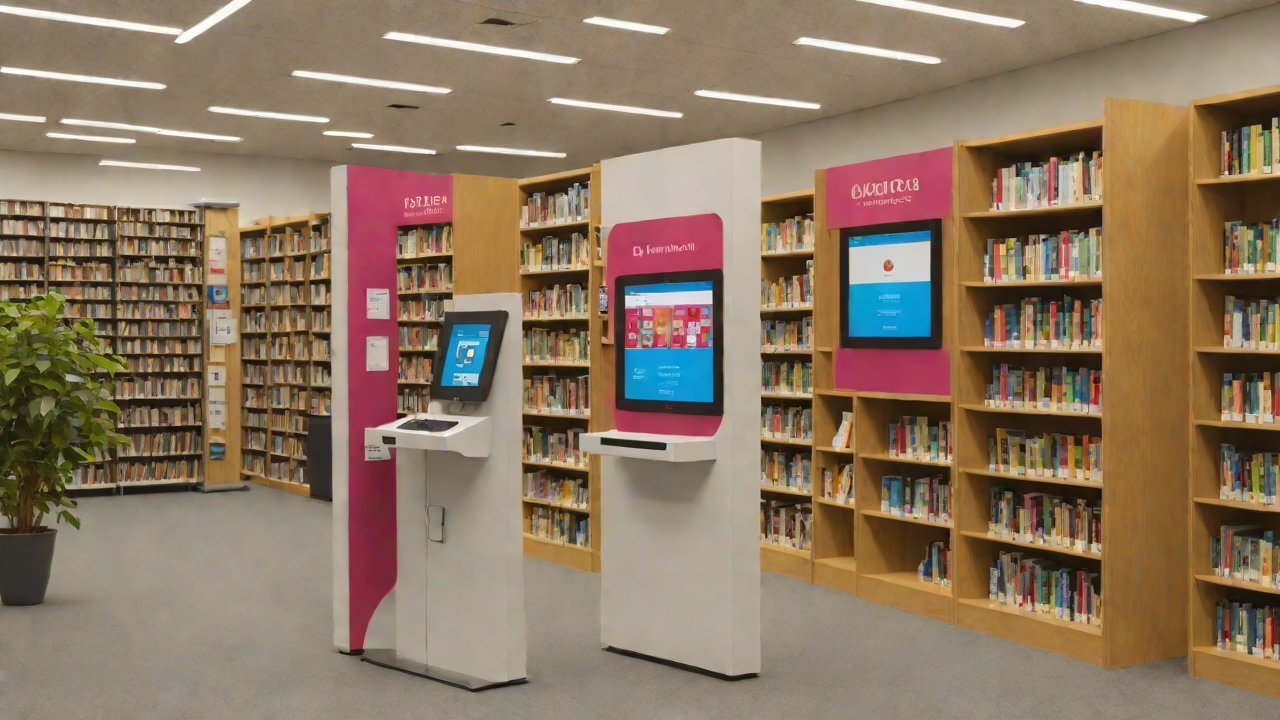
Applications of Raspberry Pi in Smart Library Self-Service Book Lending and Return (2026)
Raspberry Pi has emerged as a versatile and cost-effective platform for various applications, including smart library self-service book lending and return systems. The mini-computer’s capabilities have made it an attractive option for libraries seeking to modernize their operations while reducing costs.
The integration of Raspberry Pi in library automation has several benefits. Firstly, the device can be easily integrated with existing library management software, enabling seamless data exchange and minimizing manual intervention. Secondly, Raspberry Pi’s compact size allows for discreet placement within the library’s infrastructure, ensuring minimal visual impact on the environment. Finally, its low power consumption makes it an energy-efficient solution, contributing to a reduction in operational costs.
1. Market Trends and Drivers
The global market for smart library self-service systems is expected to experience significant growth over the next few years, driven by increasing demand for digitalization and automation in libraries. Key drivers of this trend include:
| Driver | Description |
|---|---|
| Digitalization | Growing need for digital content access and management |
| Automation | Increasing adoption of automated processes for library operations |
| Cost Savings | Reduced operational costs through energy-efficient solutions |
According to a report by MarketsandMarkets, the global smart library self-service market is projected to reach $1.3 billion by 2026, growing at a CAGR of 15.2% during the forecast period.
2. Raspberry Pi-Based Smart Library Systems
Raspberry Pi-based smart library systems offer several advantages over traditional solutions:
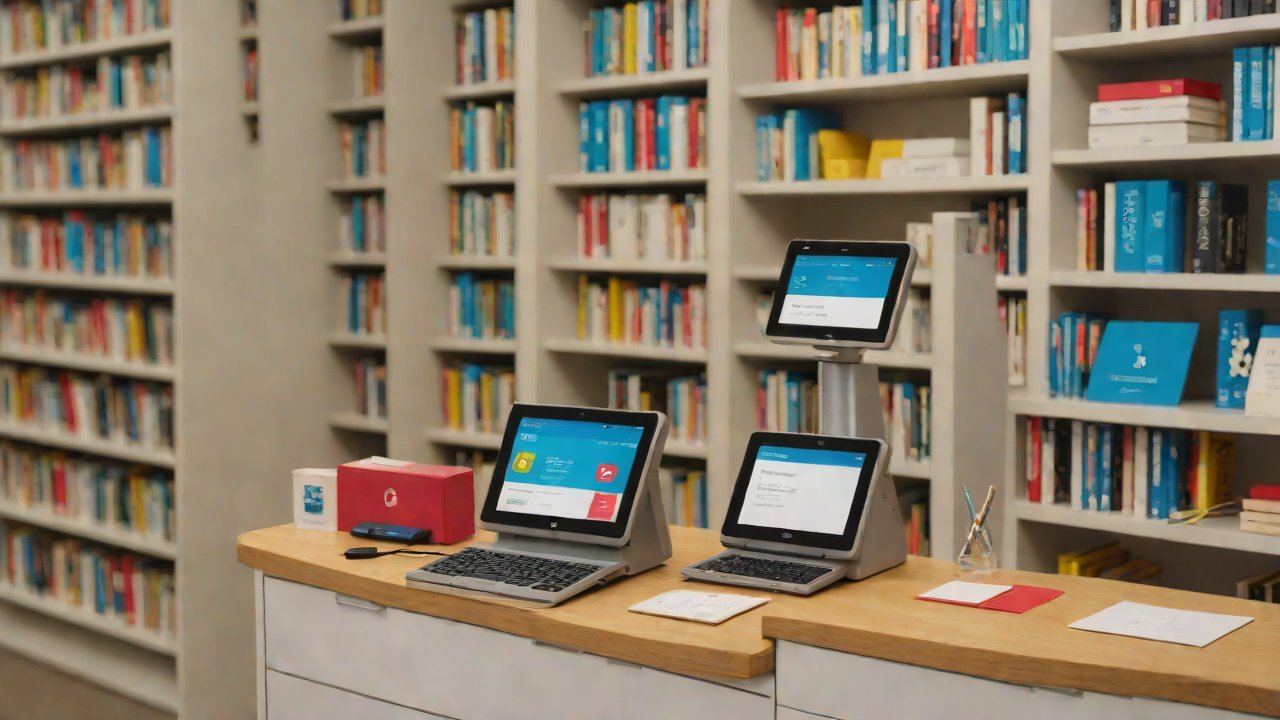
| Advantage | Description |
|---|---|
| Cost-Effectiveness | Lower upfront costs compared to proprietary systems |
| Customizability | Ability to design and develop tailored solutions for specific library needs |
| Scalability | Easy integration with existing infrastructure and expansion capabilities |
Some notable examples of Raspberry Pi-based smart library projects include:
- The “Smart Library” project in the UK, which used Raspberry Pi to create a self-service book lending system
- The “Raspberry Pi-based Library Management System” developed by researchers at the University of California, Los Angeles (UCLA)
3. Technical Specifications and Requirements
To develop an effective Raspberry Pi-based smart library system, several technical specifications and requirements must be considered:
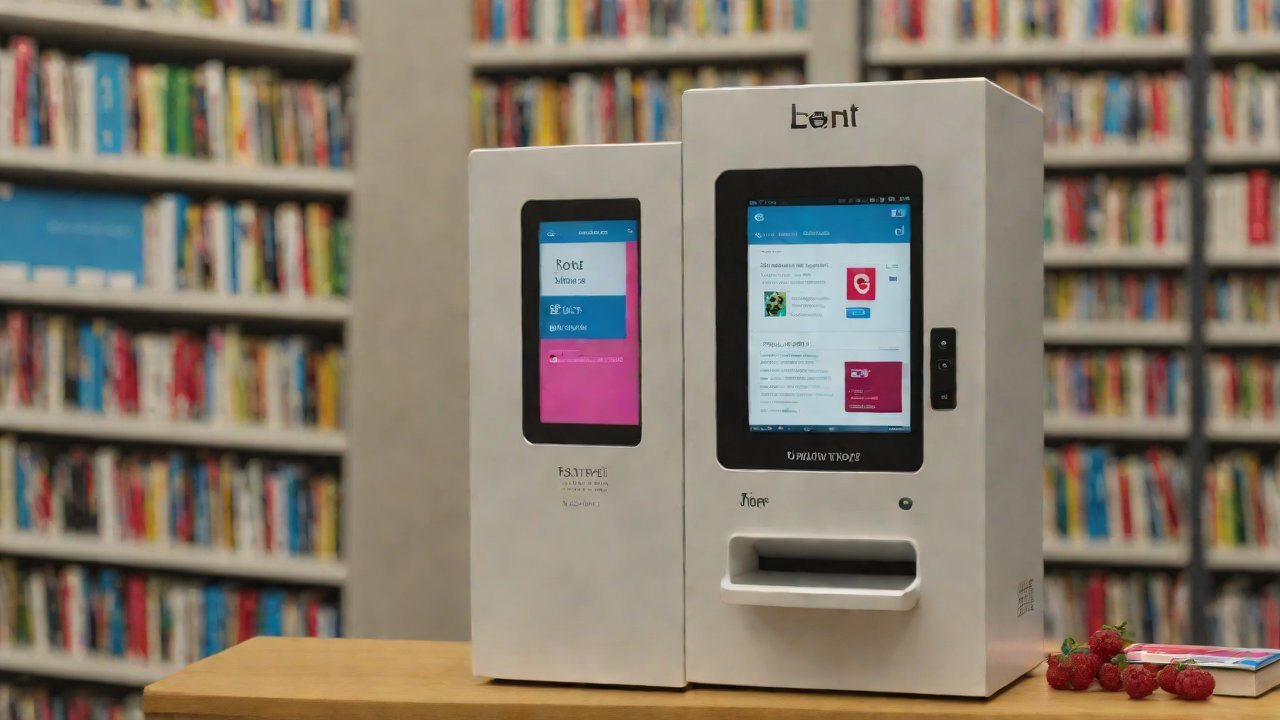
| Specification | Requirement |
|---|---|
| Hardware | Raspberry Pi model 4 or later, with a minimum of 2GB RAM and 16GB storage |
| Software | Linux-based operating system (e.g., Raspbian), with necessary libraries and frameworks for library management software integration |
| Connectivity | Wi-Fi and Ethernet connectivity for communication with the library’s network and cloud services |
4. Implementation Roadmap
The implementation roadmap for a Raspberry Pi-based smart library self-service book lending and return system can be broken down into several stages:
Stage 1: Needs Assessment and Planning (Weeks 1-4)
- Conduct stakeholder interviews to identify requirements and expectations
- Develop a detailed project plan, including timelines, budgets, and resource allocation

Stage 2: Hardware and Software Configuration (Weeks 5-8)
- Configure the Raspberry Pi with necessary software and libraries for library management software integration
- Ensure hardware compatibility and configure network settings as needed
Stage 3: Library Management Software Integration (Weeks 9-12)
- Integrate library management software with the Raspberry Pi-based system
- Test and validate data exchange between the two systems
5. Future Developments and Considerations
As the adoption of Raspberry Pi in smart libraries continues to grow, several future developments and considerations are worth noting:
| Development | Description |
|---|---|
| AI-Powered Recommendations | Integration with AI algorithms for personalized book recommendations |
| Mobile App Development | Creation of mobile apps for users to access library services remotely |
In conclusion, the use of Raspberry Pi in smart libraries offers numerous benefits, including cost-effectiveness, customizability, and scalability. As the market continues to evolve, it is essential to stay abreast of emerging trends and developments, ensuring that libraries remain at the forefront of innovation and digitalization.
IOT Cloud Platform
IOT Cloud Platform is an IoT portal established by a Chinese IoT company, focusing on technical solutions in the fields of agricultural IoT, industrial IoT, medical IoT, security IoT, military IoT, meteorological IoT, consumer IoT, automotive IoT, commercial IoT, infrastructure IoT, smart warehousing and logistics, smart home, smart city, smart healthcare, smart lighting, etc.
The IoT Cloud Platform blog is a top IoT technology stack, providing technical knowledge on IoT, robotics, artificial intelligence (generative artificial intelligence AIGC), edge computing, AR/VR, cloud computing, quantum computing, blockchain, smart surveillance cameras, drones, RFID tags, gateways, GPS, 3D printing, 4D printing, autonomous driving, etc.