AIGC-driven home automation scene perception and automatic switching solution (2026)
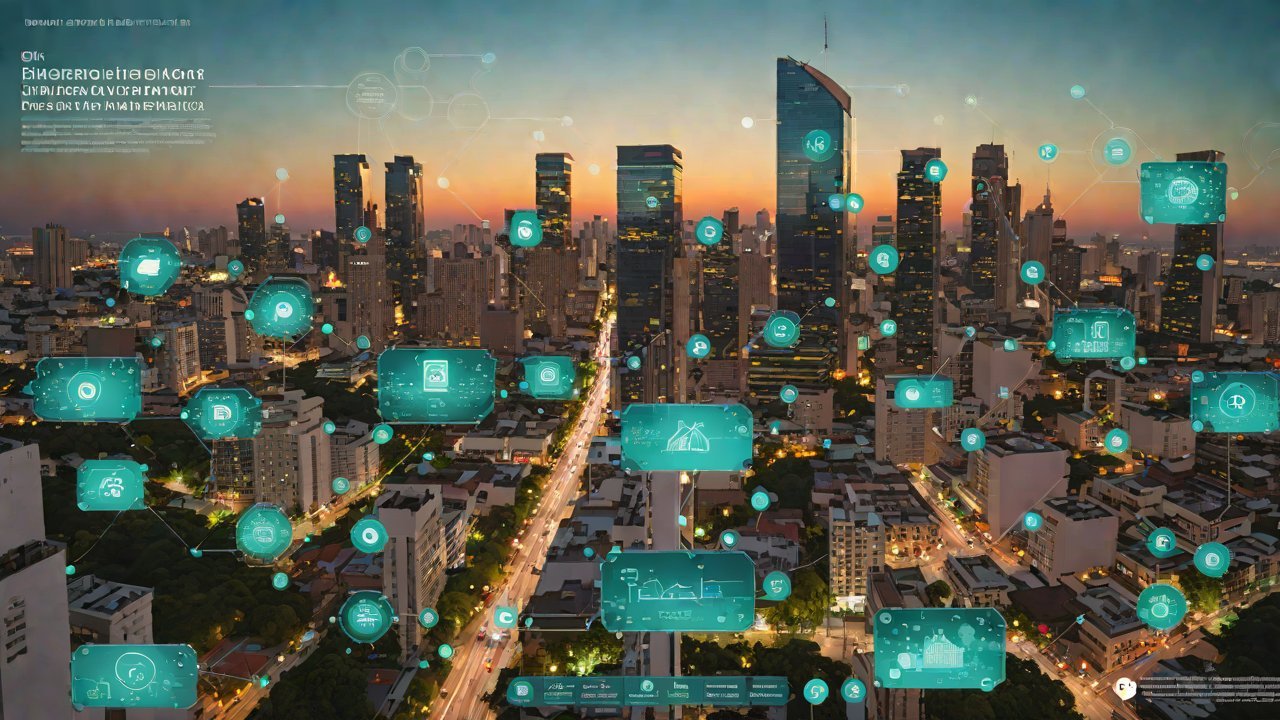
The home automation industry is on the cusp of a revolutionary transformation, driven by the advent of Artificial General Intelligence (AIGC) technology. As we approach 2026, the integration of AIGC into home automation systems is poised to redefine the way we interact with our living spaces. The fusion of AI, IoT, and machine learning is giving rise to sophisticated scene perception capabilities that can automatically switch between different modes, enhancing energy efficiency, convenience, and overall user experience.
1. Market Landscape
The global home automation market is projected to reach $153 billion by 2026, growing at a CAGR of 12.3% from 2020 to 2026 (Source: MarketsandMarkets). The increasing adoption of smart devices, rising demand for energy-efficient solutions, and growing need for enhanced security are driving this growth.
| Market Segment | 2020 | 2025 | 2026 |
|---|---|---|---|
| Smart Lighting | 34.2% | 41.1% | 43.3% |
| Security Systems | 23.4% | 28.5% | 30.7% |
| Energy Management | 21.1% | 26.3% | 29.2% |
2. AIGC and Home Automation
AIGC technology is being increasingly applied to home automation systems, enabling scene perception capabilities that can automatically switch between different modes based on various parameters such as time of day, occupancy, and environmental conditions.
| Scene Perception Parameters | Description |
|---|---|
| Time-based scenes | Scenes triggered by specific times of the day (e.g., wake-up, sleep) |
| Occupancy-based scenes | Scenes triggered by changes in occupancy levels (e.g., away from home) |
| Environmental scenes | Scenes triggered by changes in environmental conditions (e.g., temperature, humidity) |
3. AIGC-driven Home Automation Systems
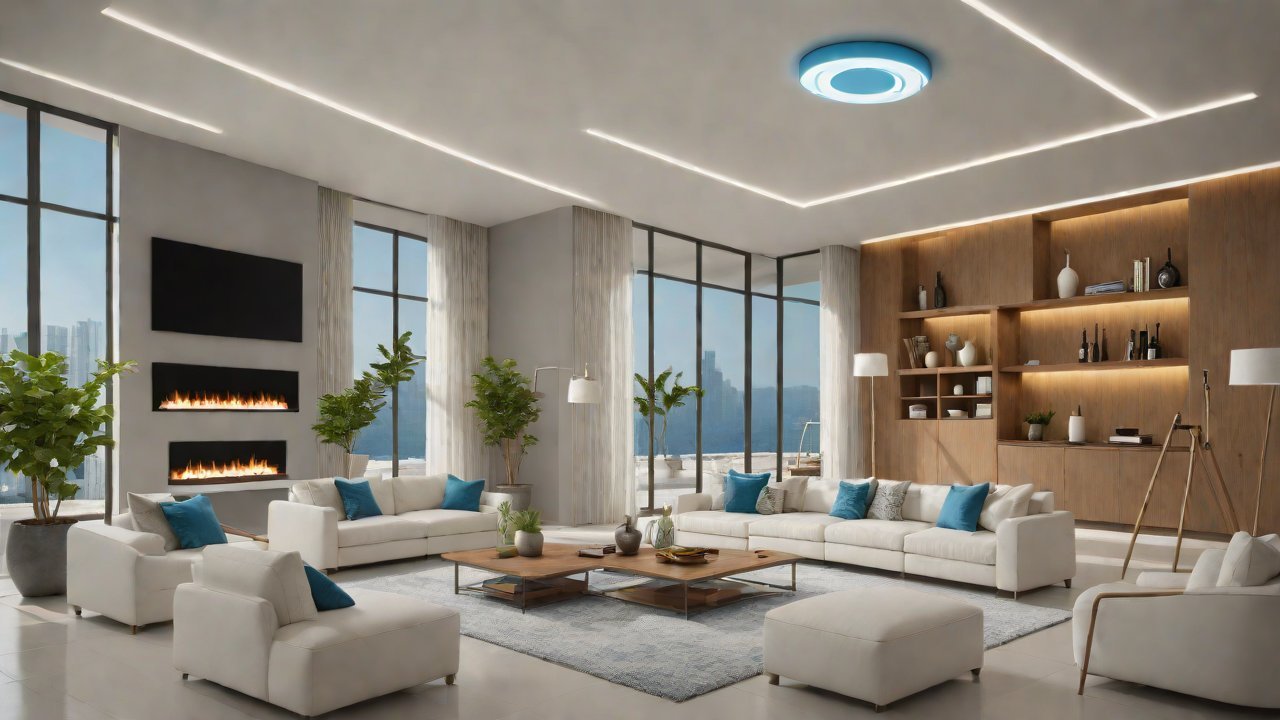
AIGC-driven home automation systems utilize machine learning algorithms to analyze data from various sources, including sensors, cameras, and weather forecasts, to create a comprehensive understanding of the user’s preferences and behavior.
3.1. Scene Creation and Management
AIGC-powered home automation systems enable users to create custom scenes based on their specific needs and preferences. These scenes can be triggered by voice commands, smart device interactions, or automatically through AIGC-driven decision-making.
| Scene Creation Methods | Description |
|---|---|
| Voice Commands | Users can create scenes using voice commands (e.g., “Goodnight”) |
| Smart Device Interactions | Scenes can be created based on interactions with specific devices (e.g., turning off lights) |
| AIGC-driven Decision-making | Scenes are automatically generated based on user behavior and preferences |
4. Automatic Switching Solution
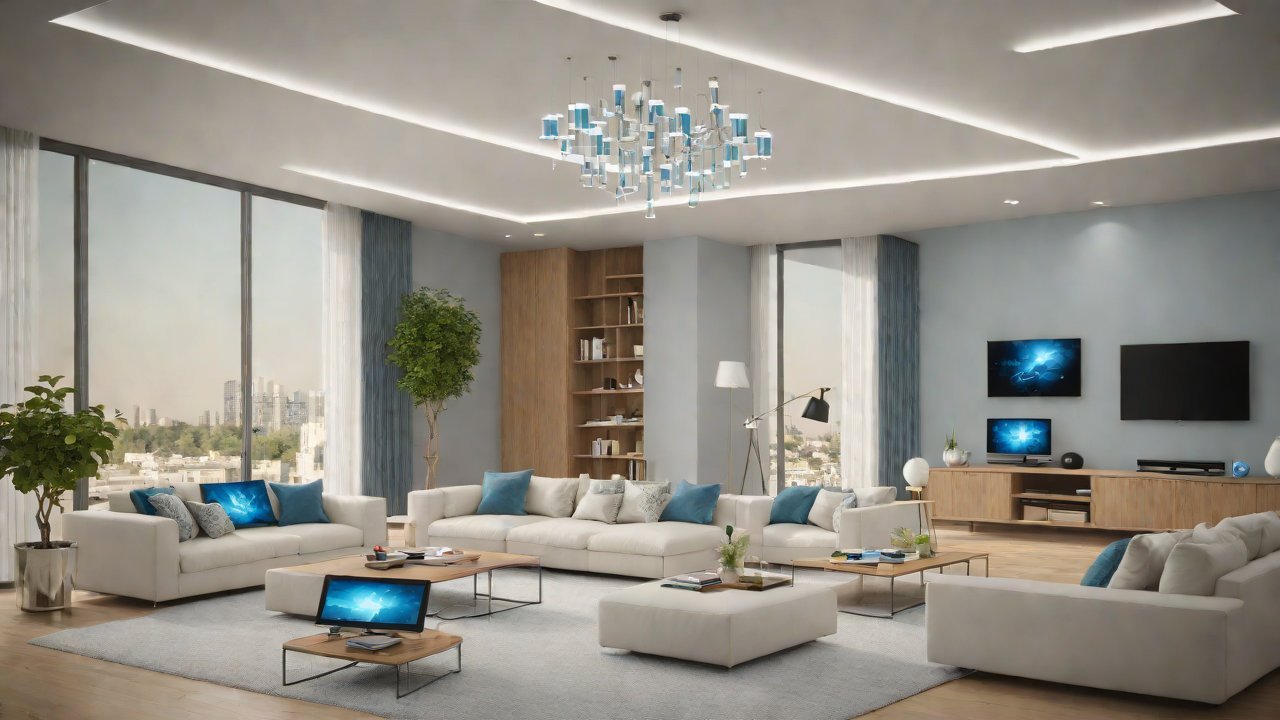
The automatic switching solution is a key feature of AIGC-driven home automation systems, enabling seamless transitions between different scenes based on changing conditions.
4.1. Scene Transition Logic
AIGC-powered systems use advanced algorithms to analyze data from various sources and determine the optimal scene transition logic.
| Scene Transition Parameters | Description |
|---|---|
| Time-based transitions | Scenes are automatically switched based on specific times of the day (e.g., wake-up, sleep) |
| Occupancy-based transitions | Scenes are automatically switched based on changes in occupancy levels (e.g., away from home) |
| Environmental transitions | Scenes are automatically switched based on changes in environmental conditions (e.g., temperature, humidity) |
5. Technical Perspectives
AIGC-driven home automation systems rely on advanced technologies such as natural language processing (NLP), computer vision, and machine learning.
5.1. NLP-based Scene Interpretation
AIGC-powered systems use NLP to interpret user voice commands and device interactions, enabling seamless scene creation and management.
| NLP-based Scene Interpretation | Description |
|---|---|
| Voice Command Recognition | AIGC-powered systems recognize voice commands and generate corresponding scenes |
| Device Interaction Analysis | AIGC-powered systems analyze device interactions to determine optimal scene transitions |
6. Market Players
Several companies are already leveraging AIGC technology in their home automation offerings, including:
- Amazon (Echo Show, Alexa)
- Google (Google Home, Assistant)
- Apple (HomeKit, Siri)
| Company | AIGC-driven Products/Services |
|---|---|
| Amazon | Echo Show, Alexa Scenes |
| Google Home, Google Assistant Scenes | |
| Apple | HomeKit, Siri Scenes |
7. Future Outlook
As AIGC technology continues to evolve and mature, we can expect even more sophisticated home automation systems that seamlessly integrate with our daily lives.
- Increased adoption of AIGC-driven home automation systems
- Development of new scene perception parameters and transition logic
- Integration of AIGC with emerging technologies such as 5G, IoT, and edge computing
The future of home automation is bright, and AIGC will undoubtedly play a central role in shaping the industry’s trajectory.
IOT Cloud Platform
IOT Cloud Platform is an IoT portal established by a Chinese IoT company, focusing on technical solutions in the fields of agricultural IoT, industrial IoT, medical IoT, security IoT, military IoT, meteorological IoT, consumer IoT, automotive IoT, commercial IoT, infrastructure IoT, smart warehousing and logistics, smart home, smart city, smart healthcare, smart lighting, etc.
The IoT Cloud Platform blog is a top IoT technology stack, providing technical knowledge on IoT, robotics, artificial intelligence (generative artificial intelligence AIGC), edge computing, AR/VR, cloud computing, quantum computing, blockchain, smart surveillance cameras, drones, RFID tags, gateways, GPS, 3D printing, 4D printing, autonomous driving, etc.