A solar-powered IoT solution for field atmospheric background stations in 2026
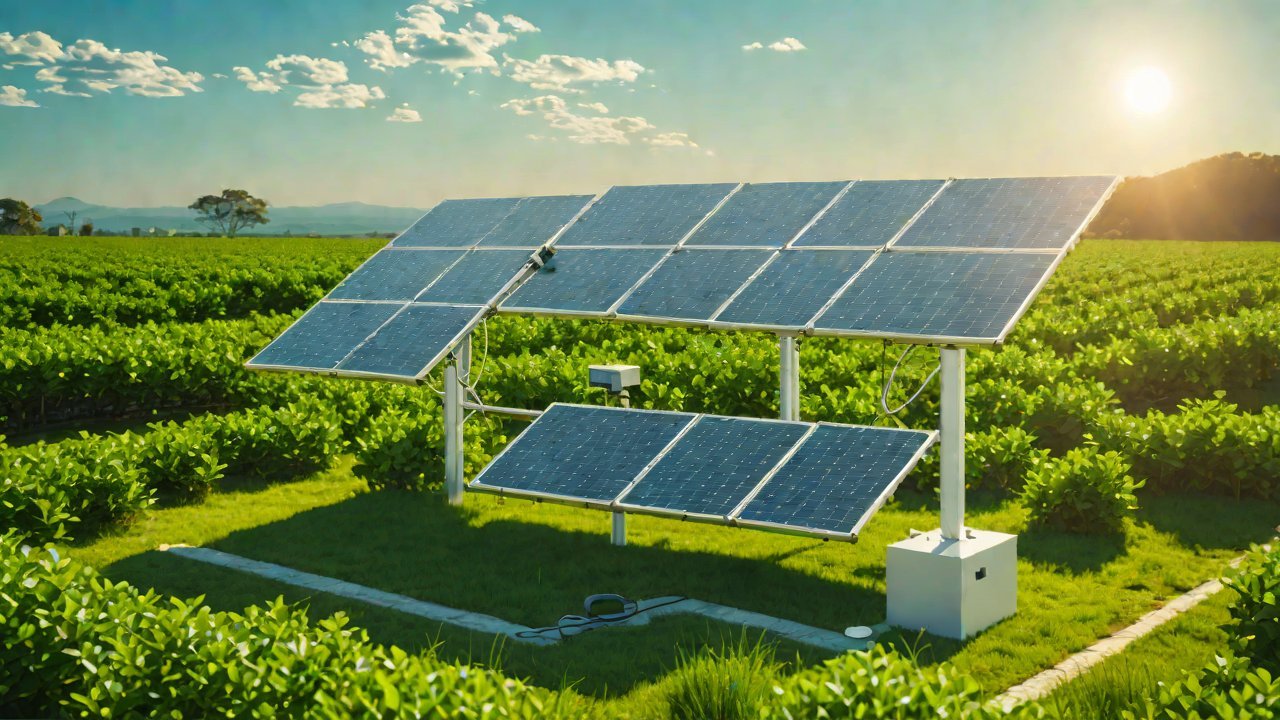
The sun-drenched expanse of a rural landscape, where atmospheric background stations dot the horizon, monitoring the ever-changing tapestry of air quality and composition. As we embark on a new decade, the demand for more accurate and efficient data collection from these remote locations is growing exponentially. The confluence of emerging technologies – solar power, IoT, and advanced analytics – presents an unparalleled opportunity to revolutionize the field of atmospheric research. By harnessing the limitless energy of the sun, we can empower these stations with cutting-edge infrastructure that not only enhances their operational capabilities but also fortifies their resilience against the unforgiving forces of nature.
1. Background and Market Analysis
The importance of atmospheric background stations cannot be overstated. These remote outposts serve as sentinels, continuously monitoring the atmosphere for pollutants, greenhouse gases, and other critical indicators that inform our understanding of climate change. As global concerns about air quality and environmental sustainability intensify, the need for high-quality data from these stations has become paramount.
The market landscape for IoT solutions in the field of atmospheric research is dynamic and rapidly evolving. According to a report by MarketsandMarkets, the global IoT in environmental monitoring market size is projected to grow from USD 2.4 billion in 2020 to USD 5.6 billion by 2025, at a Compound Annual Growth Rate (CAGR) of 17.3% during the forecast period.
Table 1: Market Size and Growth Rate for IoT in Environmental Monitoring
| Year | Market Size (USD million) | CAGR (%) |
|---|---|---|
| 2020 | 2,400 | – |
| 2025 | 5,600 | 17.3 |
2. Technical Requirements and Challenges
Implementing a solar-powered IoT solution for field atmospheric background stations requires addressing several technical challenges:
- Energy Efficiency: High-capacity solar panels must be integrated to provide a reliable source of energy in areas with variable sunlight.
- Data Transmission: IoT devices need to transmit data efficiently, often over long distances, ensuring real-time monitoring and minimal latency.
- Hardware Durability: The equipment used must withstand harsh environmental conditions, including extreme temperatures and humidity.
- Communication Protocols: Standardized protocols for communication between the stations and a central hub or cloud are essential for seamless integration.
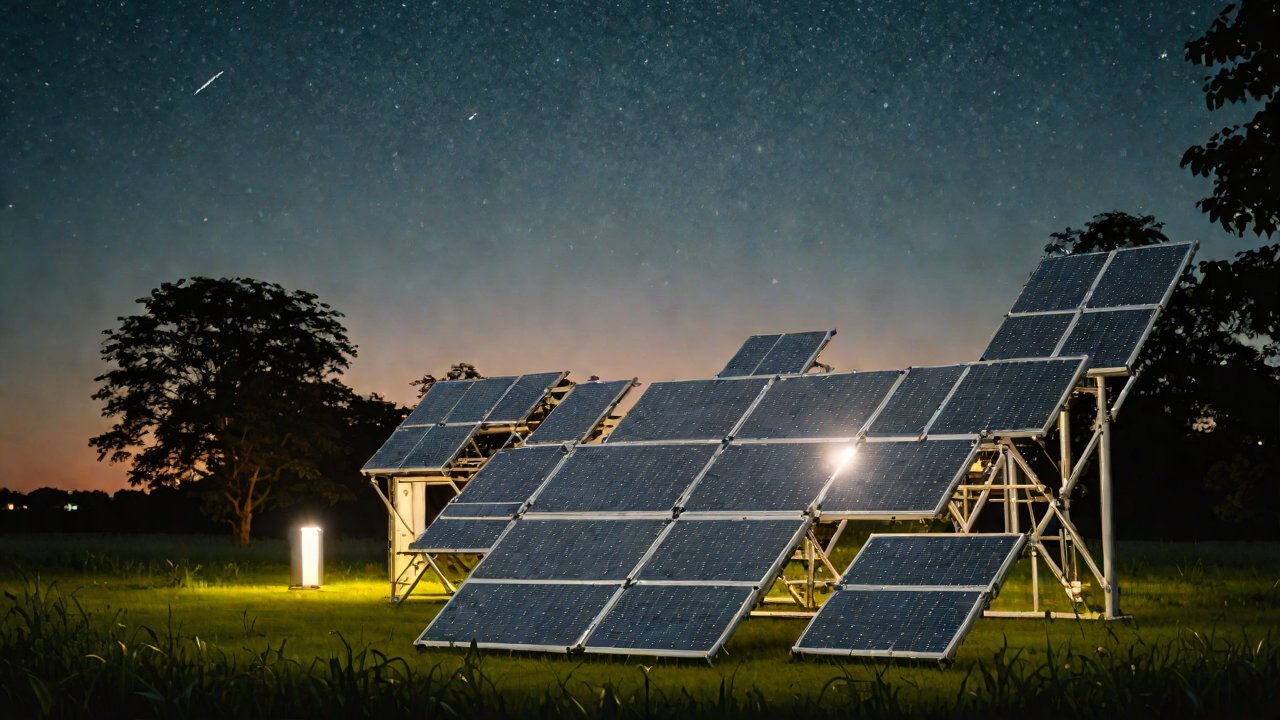
Table 2: Technical Requirements for Solar-Powered IoT Solution
| Component | Requirements |
|---|---|
| Solar Panels | High efficiency (min. 20%) and durability |
| Data Transmission | Real-time data transmission over long distances with minimal latency |
| Hardware | Durable, resistant to extreme temperatures and humidity |
| Communication Protocols | Standardized protocols for seamless integration |
3. Design and Implementation
A solar-powered IoT solution can be designed around a modular architecture that includes:
- Solar Power Generation: High-efficiency solar panels integrated into the station’s infrastructure.
- IoT Devices: Advanced sensors and data loggers capable of real-time monitoring and transmission.
- Data Transmission: Robust communication protocols ensuring stable connectivity over long distances.
- Central Hub/Cloud: Cloud-based platform for storing, analyzing, and visualizing data.
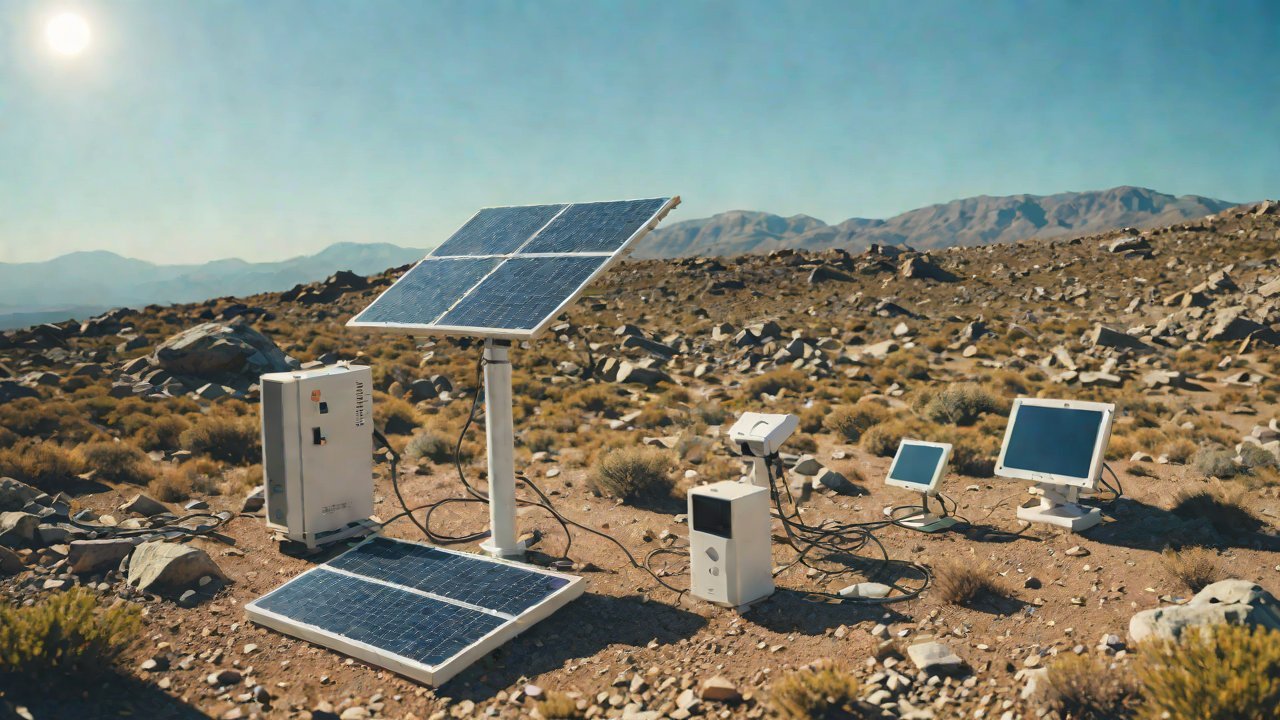
Table 3: Modular Architecture of Solar-Powered IoT Solution
| Module | Description |
|---|---|
| Solar Power Generation | High-efficiency solar panels providing reliable energy source |
| IoT Devices | Advanced sensors and loggers for real-time monitoring and transmission |
| Data Transmission | Robust communication protocols ensuring stable connectivity |
| Central Hub/Cloud | Cloud-based platform for data storage, analysis, and visualization |
4. Benefits and Impact
The integration of a solar-powered IoT solution into field atmospheric background stations will have far-reaching implications:
- Improved Accuracy: Real-time monitoring and advanced analytics enhance the accuracy of air quality and composition data.
- Enhanced Efficiency: Solar power reduces reliance on grid electricity, lowering operational costs and carbon footprint.
- Increased Resilience: Robust infrastructure ensures continued operation even in extreme weather conditions.
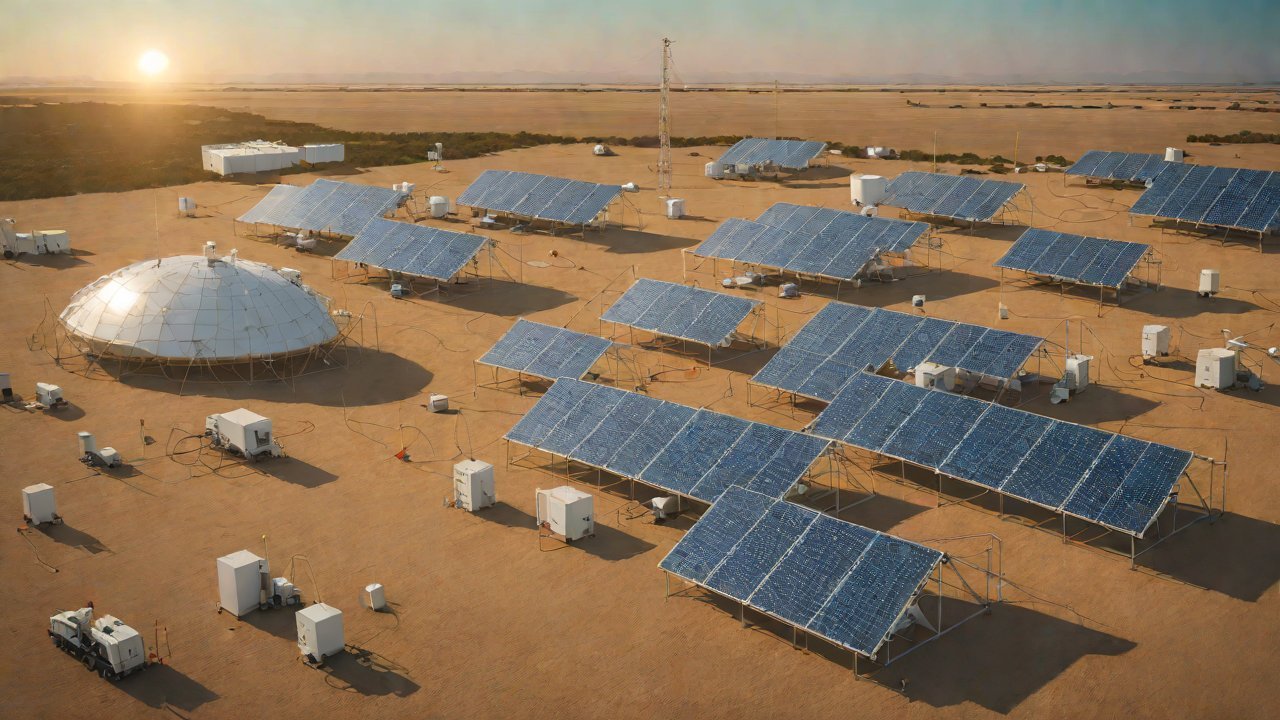
Table 4: Benefits of Solar-Powered IoT Solution
| Benefit | Description |
|---|---|
| Improved Accuracy | Enhanced data quality through real-time monitoring and advanced analytics |
| Enhanced Efficiency | Reduced operational costs and carbon footprint through solar power integration |
| Increased Resilience | Robust infrastructure for continued operation in extreme weather conditions |
5. Future Outlook
The convergence of solar power, IoT, and advanced analytics is poised to revolutionize the field of atmospheric research. As technology continues to evolve, we can expect even more sophisticated solutions that address emerging challenges:
- Artificial Intelligence: Integration with AI algorithms for predictive analytics and real-time decision-making.
- 5G Networks: Utilization of 5G networks for faster data transmission and reduced latency.
- Edge Computing: Deployment of edge computing capabilities at the station level for enhanced processing power.
The implementation of a solar-powered IoT solution in field atmospheric background stations represents a crucial step towards more accurate, efficient, and resilient monitoring of our atmosphere. As we navigate the complexities of climate change, this innovative approach will play a pivotal role in informing policy decisions and protecting public health.
IOT Cloud Platform
IOT Cloud Platform is an IoT portal established by a Chinese IoT company, focusing on technical solutions in the fields of agricultural IoT, industrial IoT, medical IoT, security IoT, military IoT, meteorological IoT, consumer IoT, automotive IoT, commercial IoT, infrastructure IoT, smart warehousing and logistics, smart home, smart city, smart healthcare, smart lighting, etc.
The IoT Cloud Platform blog is a top IoT technology stack, providing technical knowledge on IoT, robotics, artificial intelligence (generative artificial intelligence AIGC), edge computing, AR/VR, cloud computing, quantum computing, blockchain, smart surveillance cameras, drones, RFID tags, gateways, GPS, 3D printing, 4D printing, autonomous driving, etc.
Note: This article was professionally generated with the assistance of AIGC and has been fact-checked and manually corrected by IoT expert editor IoTCloudPlatForm.
