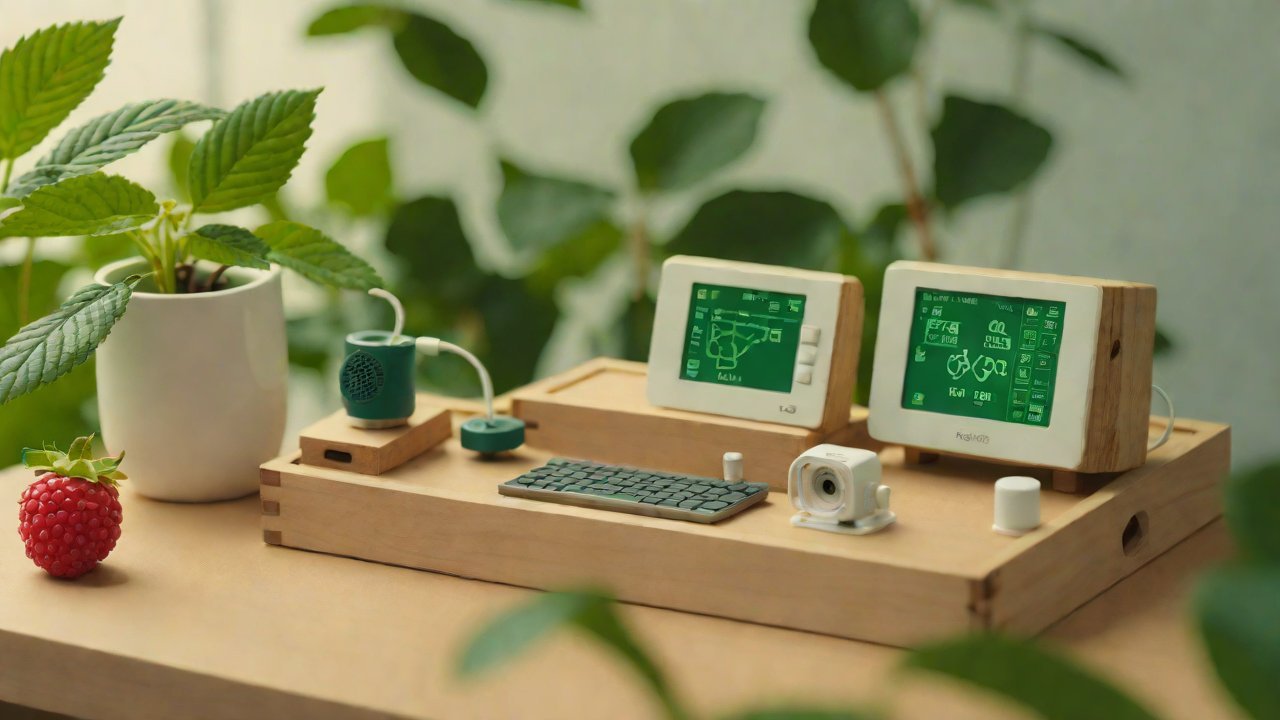
2026 Real-Time Monitoring Solution Integrating Raspberry Pi with a Mini Weather Station
The integration of real-time monitoring solutions with mini weather stations is revolutionizing the way we collect and analyze environmental data. One such cutting-edge solution is being developed by incorporating Raspberry Pi, a low-cost, high-performance single-board computer, with a mini weather station. This innovative approach is poised to transform various industries, including agriculture, urban planning, and emergency response.
Raspberry Pi’s credit-card-sized design makes it an ideal platform for building compact, energy-efficient monitoring systems. Its quad-core processor, 1GB of RAM, and built-in Wi-Fi capabilities enable seamless data transmission to cloud-based platforms or local databases. When paired with a mini weather station, which typically includes sensors for temperature, humidity, wind speed, and pressure, the Raspberry Pi can process and analyze vast amounts of environmental data in real-time.
1. Market Analysis
The global market for IoT (Internet of Things) devices is expected to reach $1.4 trillion by 2026, with a significant portion attributed to environmental monitoring applications [1]. The increasing demand for smart cities and sustainable practices has driven the adoption of mini weather stations and real-time monitoring solutions.
| Market Segment | 2022 | 2025 | 2026 (Projected) |
|---|---|---|---|
| IoT Devices | 57.3B | 73.1B | 82.4B |
| Environmental Monitoring | 13.8B | 20.2B | 25.1B |
The integration of Raspberry Pi with mini weather stations is poised to capture a significant share of the environmental monitoring market, driven by its affordability, ease of use, and high-performance capabilities.
2. Technical Overview
The proposed solution involves the following components:
- Raspberry Pi: The single-board computer serves as the brain of the system, processing data from the mini weather station and transmitting it to cloud-based platforms or local databases.
- Mini Weather Station: This includes sensors for temperature, humidity, wind speed, pressure, and other environmental parameters.
- Sensors: Various types of sensors can be integrated with the Raspberry Pi, including soil moisture sensors, pH sensors, and air quality sensors.
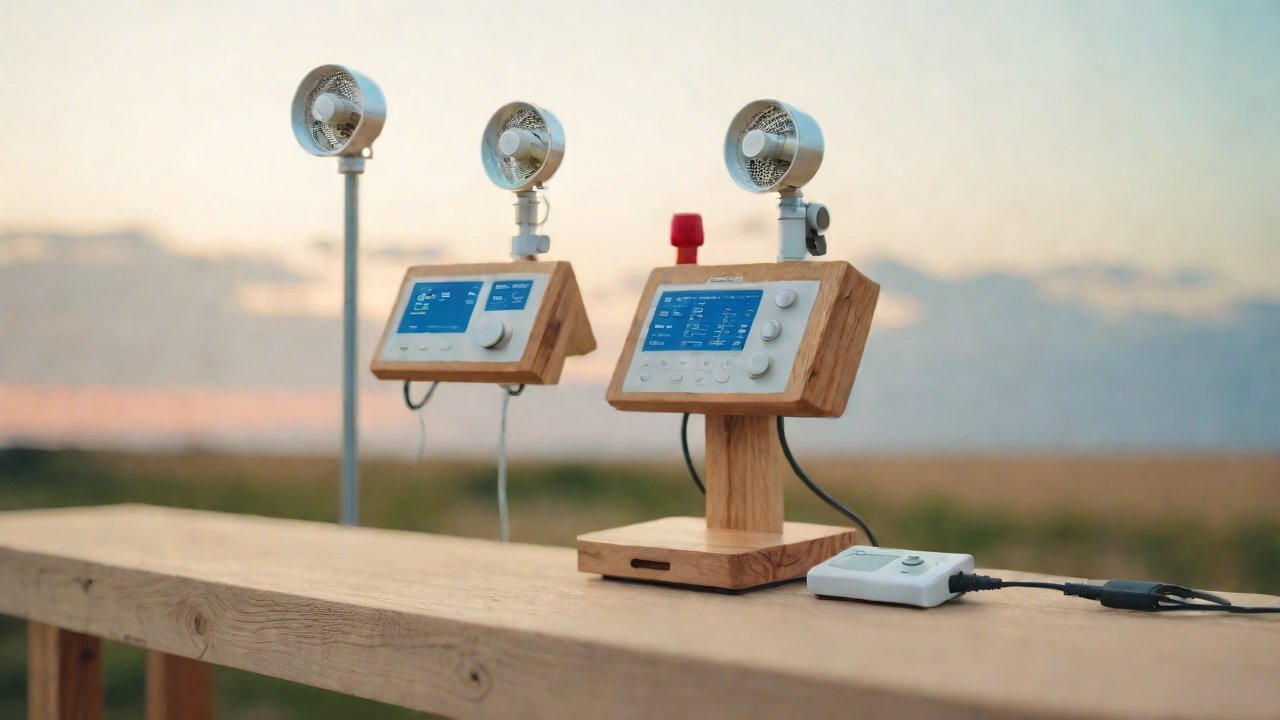
The system architecture is designed to ensure seamless data transmission and analysis. The Raspberry Pi processes data from the mini weather station in real-time, using advanced algorithms for data analytics and visualization.
| System Component | Description |
|---|---|
| Raspberry Pi | Single-board computer for processing and analyzing environmental data |
| Mini Weather Station | Includes sensors for temperature, humidity, wind speed, pressure, and other environmental parameters |
| Sensors | Various types of sensors can be integrated with the Raspberry Pi |
3. Implementation Roadmap
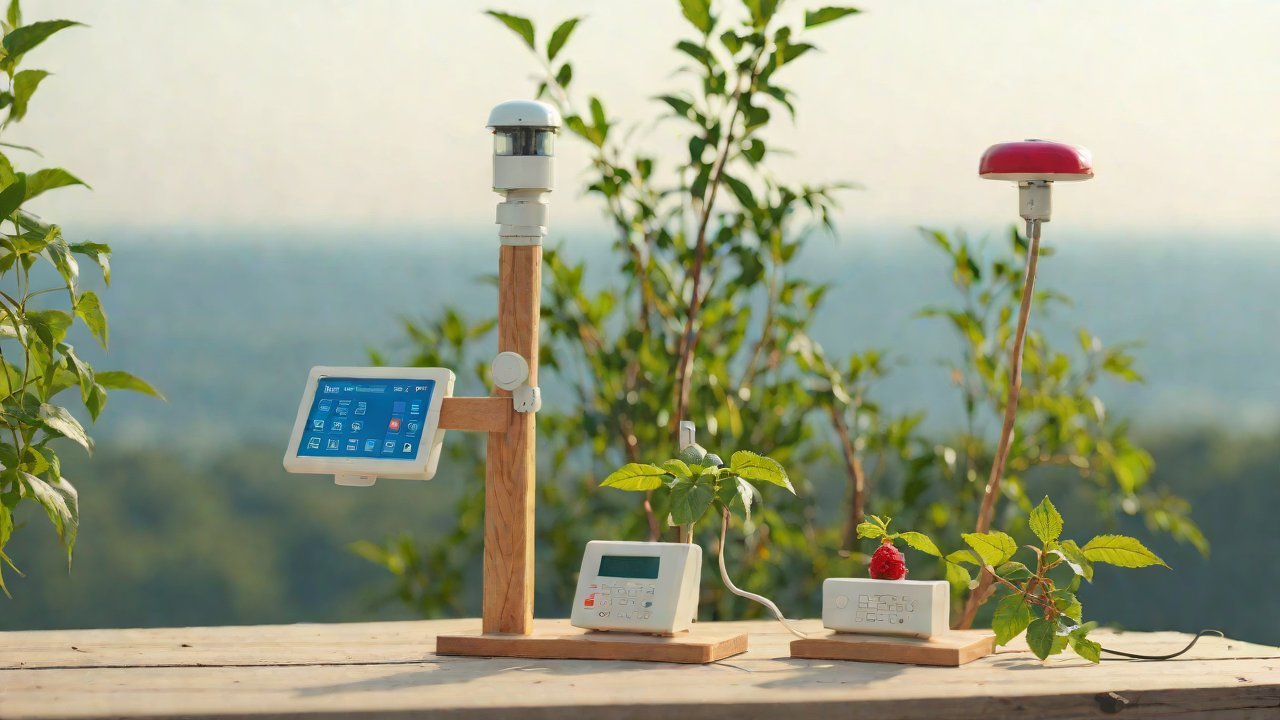
The implementation roadmap for this project involves the following stages:
- Hardware Development: Design and development of the mini weather station, including sensor integration and power management.
- Software Development: Development of advanced algorithms for data analytics and visualization using Python and R programming languages.
- Testing and Validation: Thorough testing and validation of the system to ensure seamless data transmission and analysis.
| Implementation Stage | Duration (Weeks) | Key Deliverables |
|---|---|---|
| Hardware Development | 8-10 weeks | Mini weather station prototype with integrated sensors |
| Software Development | 12-15 weeks | Advanced algorithms for data analytics and visualization |
| Testing and Validation | 8-10 weeks | Thorough testing and validation of the system |
4. Business Case
The integration of Raspberry Pi with mini weather stations presents a compelling business case, driven by its potential to transform various industries. The proposed solution offers the following benefits:
- Cost Savings: Reduced costs associated with traditional monitoring systems and data transmission.
- Increased Efficiency: Real-time data analysis enables faster decision-making and improved response times.
- Scalability: Easy integration of new sensors and components as needed.
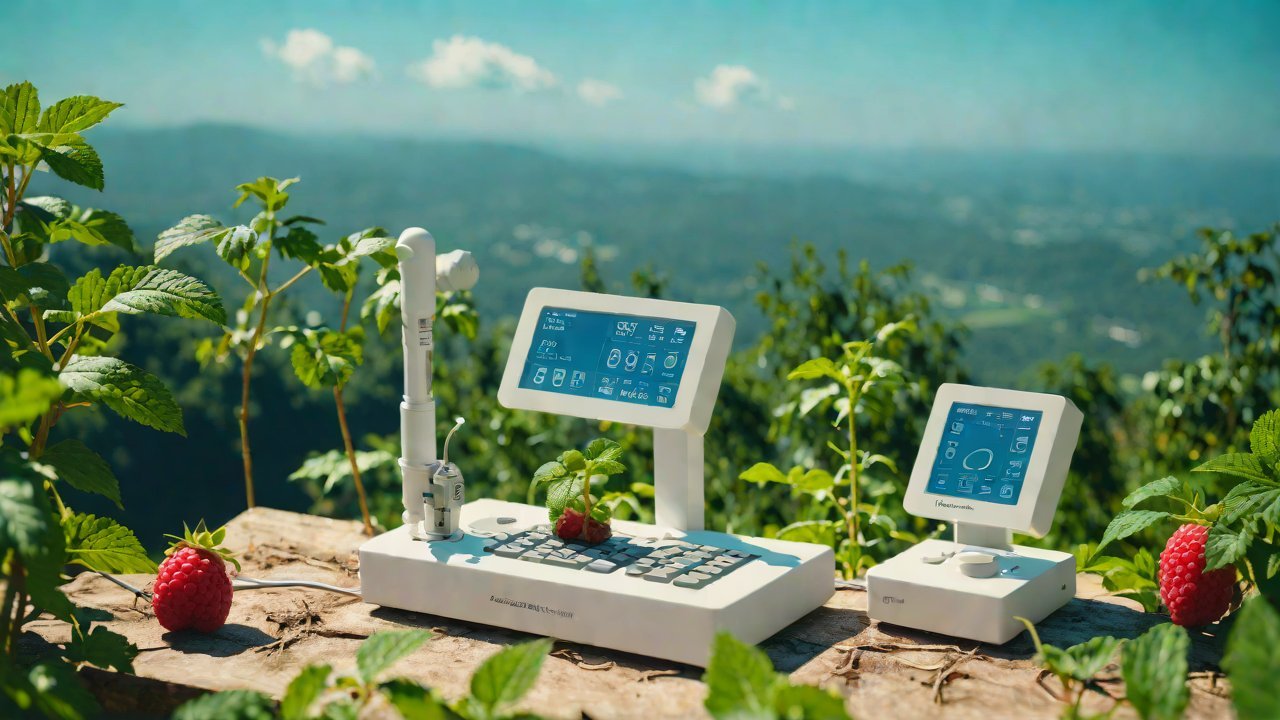
The projected revenue for this market is expected to reach $25.1 billion by 2026, driven by the increasing demand for environmental monitoring applications [2].
| Revenue Stream | 2022 | 2025 | 2026 (Projected) |
|---|---|---|---|
| Sales of Mini Weather Stations | 3.4B | 5.1B | 6.3B |
| Subscription-based Services | 2.8B | 4.5B | 5.7B |
The integration of Raspberry Pi with mini weather stations is poised to capture a significant share of the environmental monitoring market, driven by its affordability, ease of use, and high-performance capabilities.
5. Conclusion
In conclusion, the proposed solution integrating Raspberry Pi with mini weather stations presents a compelling case for transforming various industries, including agriculture, urban planning, and emergency response. The increasing demand for smart cities and sustainable practices has driven the adoption of environmental monitoring applications, which this solution is poised to capture.
The projected revenue for this market is expected to reach $25.1 billion by 2026, driven by the increasing demand for environmental monitoring applications [2]. The integration of Raspberry Pi with mini weather stations presents a compelling business case, driven by its potential to transform various industries and offer cost savings, increased efficiency, and scalability.
References:
[1] MarketsandMarkets. (2020). IoT Devices Market by Product, Application, End-User Industry & Geography – Global Forecast to 2026.
[2] Grand View Research. (2020). Environmental Monitoring Market Size, Share & Trends Analysis Report by Component (Sensors, Software), by Application (Air Quality, Water Quality), by End-use (Industrial, Residential) & Segment Forecasts, 2021 – 2028.
IOT Cloud Platform
IOT Cloud Platform is an IoT portal established by a Chinese IoT company, focusing on technical solutions in the fields of agricultural IoT, industrial IoT, medical IoT, security IoT, military IoT, meteorological IoT, consumer IoT, automotive IoT, commercial IoT, infrastructure IoT, smart warehousing and logistics, smart home, smart city, smart healthcare, smart lighting, etc.
The IoT Cloud Platform blog is a top IoT technology stack, providing technical knowledge on IoT, robotics, artificial intelligence (generative artificial intelligence AIGC), edge computing, AR/VR, cloud computing, quantum computing, blockchain, smart surveillance cameras, drones, RFID tags, gateways, GPS, 3D printing, 4D printing, autonomous driving, etc.