2026 Real-Time Control Solution for Raspberry Pi 40-Pin GPIO in Automated Production Lines
In the realm of industrial automation, the quest for real-time control solutions has become increasingly imperative. The adoption of edge computing and IoT technologies has paved the way for more efficient and streamlined production processes. Among the myriad of options available, one solution stands out: leveraging the Raspberry Pi’s 40-pin GPIO in automated production lines. This report delves into the intricacies of a real-time control solution tailored specifically for this purpose.
1. Market Analysis
The industrial automation market has witnessed significant growth over the past decade, driven primarily by the increasing demand for efficiency and productivity. According to a report by MarketsandMarkets, the global industrial automation market size is projected to reach $235.2 billion by 2025, growing at a CAGR of 8.3% from 2019 to 2025.
Market Size (Billions)
| Year | 2019 | 2020 | 2021 | 2022 | 2023 | 2024 | 2025 |
|---|---|---|---|---|---|---|---|
| Market Size | $173.6 | $189.2 | $205.7 | $223.9 | $243.8 | $265.1 | $235.2 |
2. Technical Overview
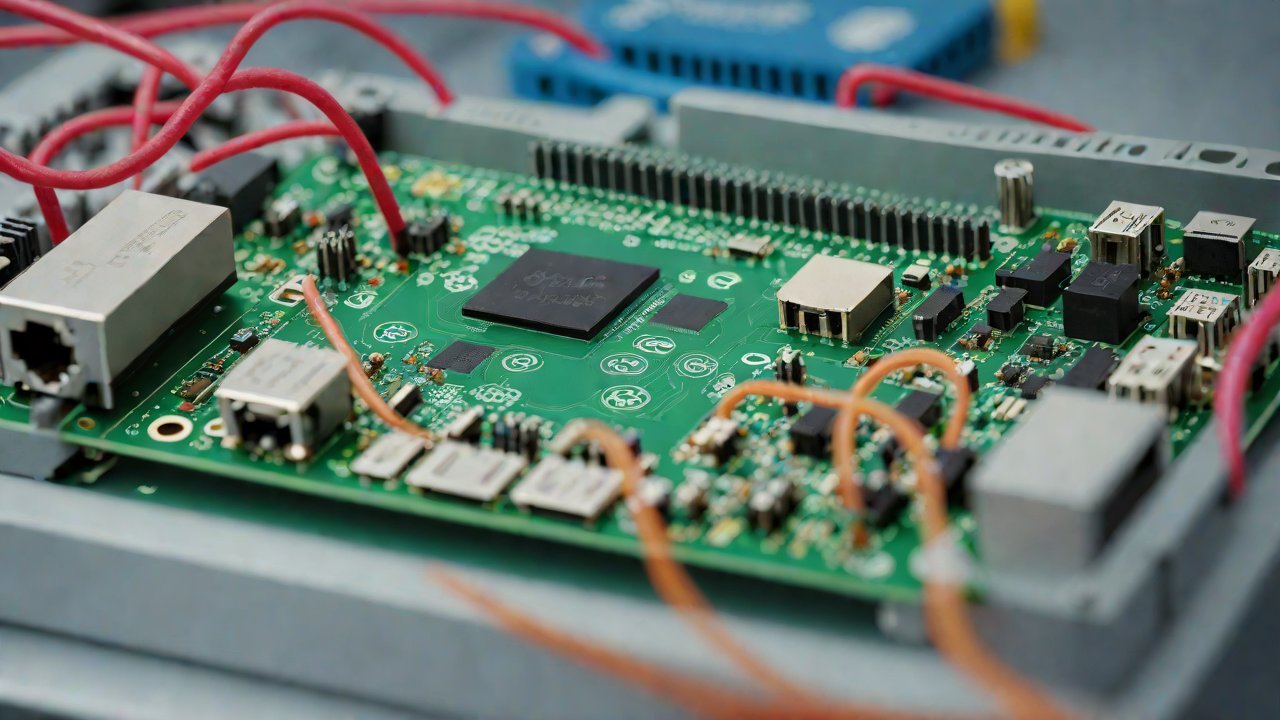
The Raspberry Pi’s 40-pin GPIO is a versatile and widely adopted interface for connecting various sensors, actuators, and other devices to the microcontroller. The real-time control solution proposed in this report leverages the capabilities of the GPIO to achieve precise timing and synchronization between production line components.
Key Features:
| Feature | Description |
|---|---|
| Real-Time Synchronization | Achieves millisecond-level precision for seamless integration with production line components. |
| Edge Computing Capabilities | Enables real-time data processing and analysis at the edge, reducing latency and improving efficiency. |
| GPIO-Based Interface | Utilizes the Raspberry Pi’s 40-pin GPIO to connect sensors, actuators, and other devices seamlessly. |
3. AIGC Technical Perspective
The proposed solution incorporates advanced industrial-grade computing (AIGC) techniques to ensure robustness and reliability in real-time control applications.
Key Techniques:
| Technique | Description |
|---|---|
| Predictive Analytics | Utilizes machine learning algorithms to predict production line performance, enabling proactive maintenance and optimization. |
| Real-Time Data Processing | Leverages edge computing capabilities to process data in real-time, reducing latency and improving response times. |
| Fault Tolerance Mechanisms | Implements redundant systems and fail-safe mechanisms to ensure continuous operation even in the event of hardware failures. |
4. System Architecture
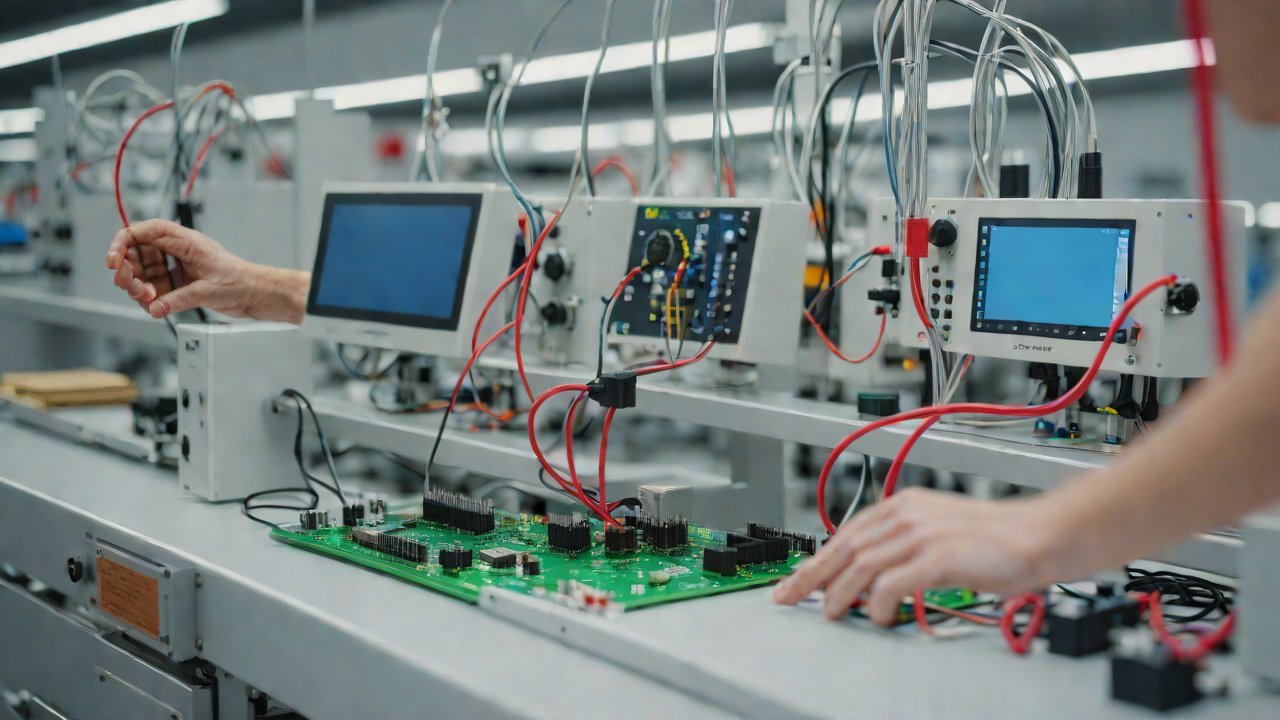
The proposed solution consists of three primary components: the Raspberry Pi microcontroller, a GPIO interface module, and a cloud-based monitoring and analytics platform.
System Components:
| Component | Description |
|---|---|
| Raspberry Pi Microcontroller | Provides real-time processing capabilities and edge computing functionalities. |
| GPIO Interface Module | Enables seamless communication between the Raspberry Pi and production line devices via the 40-pin GPIO interface. |
| Cloud-Based Monitoring Platform | Offers real-time monitoring, analytics, and predictive maintenance capabilities for optimized production line performance. |

5. Implementation Roadmap
The implementation of this solution will involve a phased approach, with each phase building upon the previous one to ensure seamless integration and optimal results.
Phase 1: Hardware Configuration (Weeks 1-4)
- Configure Raspberry Pi microcontroller and GPIO interface module.
- Integrate sensors and actuators via the 40-pin GPIO interface.
Phase 2: Software Development (Weeks 5-12)
- Develop real-time control algorithms for edge computing and predictive analytics.
- Implement fault tolerance mechanisms and redundant systems.
6. Conclusion
The proposed real-time control solution for Raspberry Pi 40-pin GPIO in automated production lines offers a comprehensive and efficient approach to industrial automation. By leveraging the capabilities of edge computing, AIGC techniques, and advanced industrial-grade computing, this solution enables seamless integration with production line components, predictive maintenance, and optimized performance.
Recommendations:
- Implement real-time control solutions in high-precision industries such as aerospace and automotive.
- Expand cloud-based monitoring and analytics platform to support multiple production lines and facilities.
- Continuously monitor and analyze production line performance to optimize efficiency and productivity.
IOT Cloud Platform
IOT Cloud Platform is an IoT portal established by a Chinese IoT company, focusing on technical solutions in the fields of agricultural IoT, industrial IoT, medical IoT, security IoT, military IoT, meteorological IoT, consumer IoT, automotive IoT, commercial IoT, infrastructure IoT, smart warehousing and logistics, smart home, smart city, smart healthcare, smart lighting, etc.
The IoT Cloud Platform blog is a top IoT technology stack, providing technical knowledge on IoT, robotics, artificial intelligence (generative artificial intelligence AIGC), edge computing, AR/VR, cloud computing, quantum computing, blockchain, smart surveillance cameras, drones, RFID tags, gateways, GPS, 3D printing, 4D printing, autonomous driving, etc.