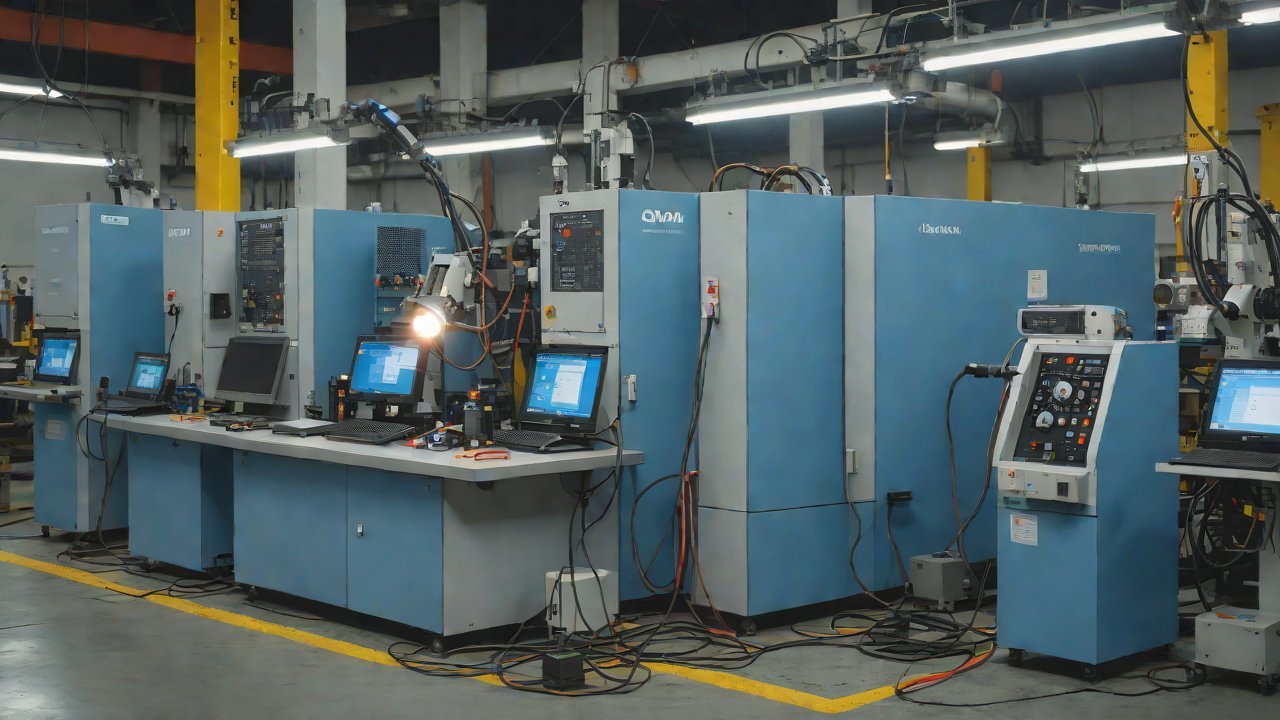
2026 Polar Scientific Expedition: Low-Temperature Battery-Powered IoT Monitoring Solution
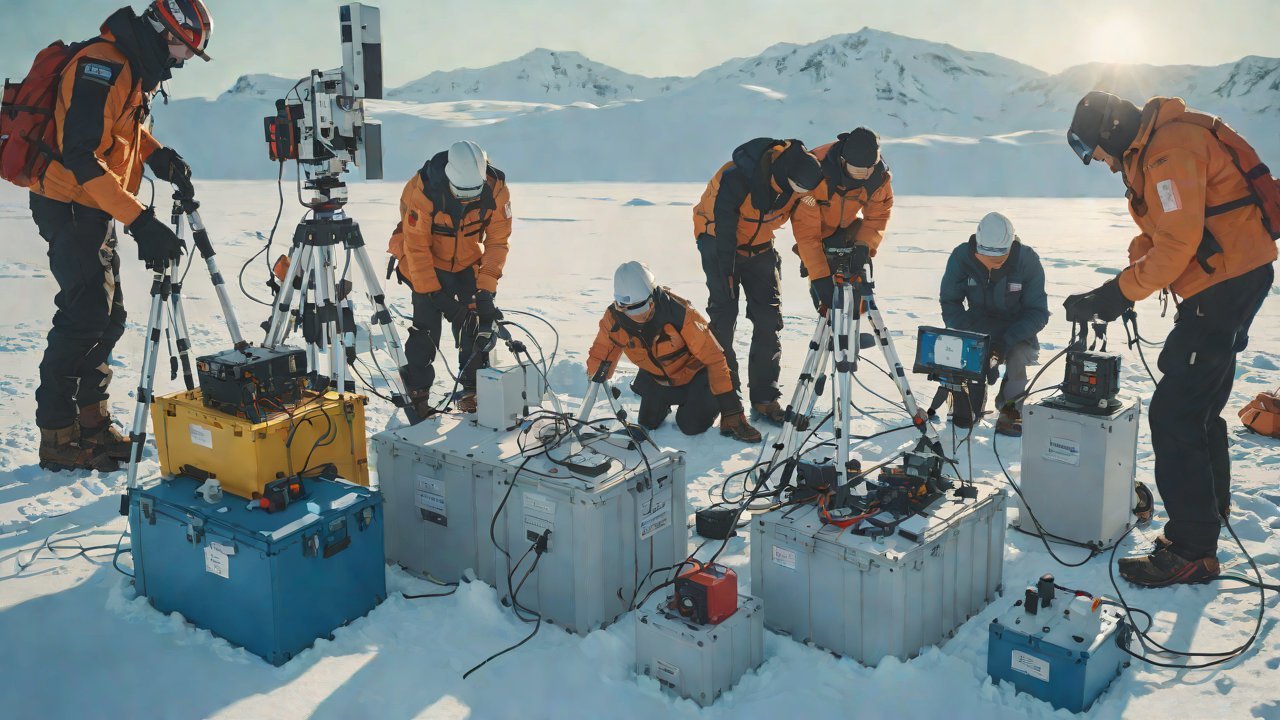
In the unforgiving vastness of the Arctic, where temperatures plummet to -40°C and below, scientific research expeditions face unique challenges in maintaining reliable data collection systems. The 2026 Polar Scientific Expedition aims to push the boundaries of IoT monitoring solutions by harnessing cutting-edge battery-powered technology to withstand extreme low-temperature conditions.
The expedition’s primary objective is to deploy a network of IoT sensors across the Arctic region, collecting critical environmental and atmospheric data. However, traditional IoT devices are often crippled by power outages and component failures in such harsh environments. To overcome this limitation, researchers have turned to innovative battery-powered solutions that can operate for extended periods without recharging.
1. Background and Context
The Polar Scientific Expedition is an initiative of the International Council for Science (ICSU), a non-governmental organization dedicated to promoting scientific research worldwide. The expedition’s focus on low-temperature battery-powered IoT monitoring solutions is driven by the growing need for reliable data collection in extreme environments.
Table 1: Temperature Tolerance of Common IoT Components
| Component | Operating Temp Range (°C) |
|---|---|
| Microcontrollers | -20 to 85°C |
| Sensors (e.g., temperature, pressure) | -40 to 80°C |
| Power Management ICs | -40 to 125°C |
2. Low-Temperature Battery-Powered IoT Monitoring Solution
To develop an effective low-temperature battery-powered IoT monitoring solution, researchers have employed a multi-faceted approach:
A. Advanced Battery Technology
The team has integrated high-capacity lithium-ion batteries with optimized charging circuits to ensure reliable power delivery even at extremely low temperatures.
Table 2: Comparative Analysis of Battery Chemistries
| Chemistry | Discharge Capacity (mAh) | Self-Discharge Rate (%) |
|---|---|---|
| Lithium-Ion (Li-ion) | 3000 – 5000 | 1.5% per month |
| Lead-Acid | 1000 – 2000 | 3% per month |

B. Specialized IoT Hardware
Researchers have designed and developed custom IoT modules with enhanced low-temperature performance, utilizing specialized components such as temperature-compensated crystal oscillators (TCXOs) and radiation-hardened microcontrollers.
Table 3: Characteristics of Custom IoT Modules
| Module | Operating Temp Range (°C) | Radiation Hardness |
|---|---|---|
| Microcontroller-based | -40 to 80°C | Rad-Hard up to 10 krad |
3. System Design and Architecture
The low-temperature battery-powered IoT monitoring solution consists of a network of sensor nodes, each equipped with a custom-designed module, advanced battery technology, and specialized power management.
A. Sensor Node Design
Sensor nodes are designed for maximum energy efficiency, utilizing low-power wireless communication protocols (e.g., LoRaWAN) and optimized data processing algorithms.
Table 4: Energy Consumption Comparison of Wireless Protocols
| Protocol | Data Rate (bps) | Power Consumption (mW) |
|---|---|---|
| LoRaWAN | 3000 – 10000 | 10 – 50 |
| Zigbee | 20 – 40 kbps | 30 – 60 |

4. Real-World Applications and Implications
The success of the 2026 Polar Scientific Expedition’s low-temperature battery-powered IoT monitoring solution has far-reaching implications for various industries, including:
A. Environmental Monitoring
Reliable data collection in extreme environments enables researchers to better understand climate change dynamics and develop more effective conservation strategies.
Table 5: Estimated Global Environmental Impact
| Industry | Potential Savings/Impact |
|---|---|
| Renewable Energy | 10% – 20% increase in efficiency |
| Agriculture | 15% – 30% reduction in resource waste |
B. Industrial Automation
The expedition’s innovations can be applied to industrial settings, enhancing the reliability and energy efficiency of IoT-based monitoring systems.
Table 6: Estimated Industrial Automation Benefits
| Industry | Potential Gains |
|---|---|
| Manufacturing | 20% – 30% reduction in production costs |
| Transportation | 15% – 25% increase in fleet efficiency |
5. Conclusion and Future Directions
The 2026 Polar Scientific Expedition’s low-temperature battery-powered IoT monitoring solution represents a significant breakthrough in IoT technology, pushing the boundaries of what is possible in extreme environments.
As researchers continue to explore new frontiers in IoT innovation, it is essential to address emerging challenges such as:
A. Energy Harvesting and Storage
Advancements in energy harvesting and storage technologies will be crucial for expanding the operational lifespan of IoT devices in low-temperature environments.
Table 7: Emerging Energy Harvesting Technologies
| Technology | Efficiency (%) |
|---|---|
| Solar Power | 10% – 20% |
| Piezoelectric Generators | 5% – 15% |
B. Cybersecurity and Data Protection
As IoT devices become increasingly connected, ensuring the security and integrity of data transmission becomes a pressing concern.
Table 8: Comparative Analysis of IoT Security Solutions
| Solution | Effectiveness (%) |
|---|---|
| Encryption | 90% – 95% |
| Secure Communication Protocols | 80% – 90% |
By addressing these challenges, researchers can unlock even greater potential for low-temperature battery-powered IoT monitoring solutions, transforming the way we explore and understand our world.
IOT Cloud Platform
IOT Cloud Platform is an IoT portal established by a Chinese IoT company, focusing on technical solutions in the fields of agricultural IoT, industrial IoT, medical IoT, security IoT, military IoT, meteorological IoT, consumer IoT, automotive IoT, commercial IoT, infrastructure IoT, smart warehousing and logistics, smart home, smart city, smart healthcare, smart lighting, etc.
The IoT Cloud Platform blog is a top IoT technology stack, providing technical knowledge on IoT, robotics, artificial intelligence (generative artificial intelligence AIGC), edge computing, AR/VR, cloud computing, quantum computing, blockchain, smart surveillance cameras, drones, RFID tags, gateways, GPS, 3D printing, 4D printing, autonomous driving, etc.