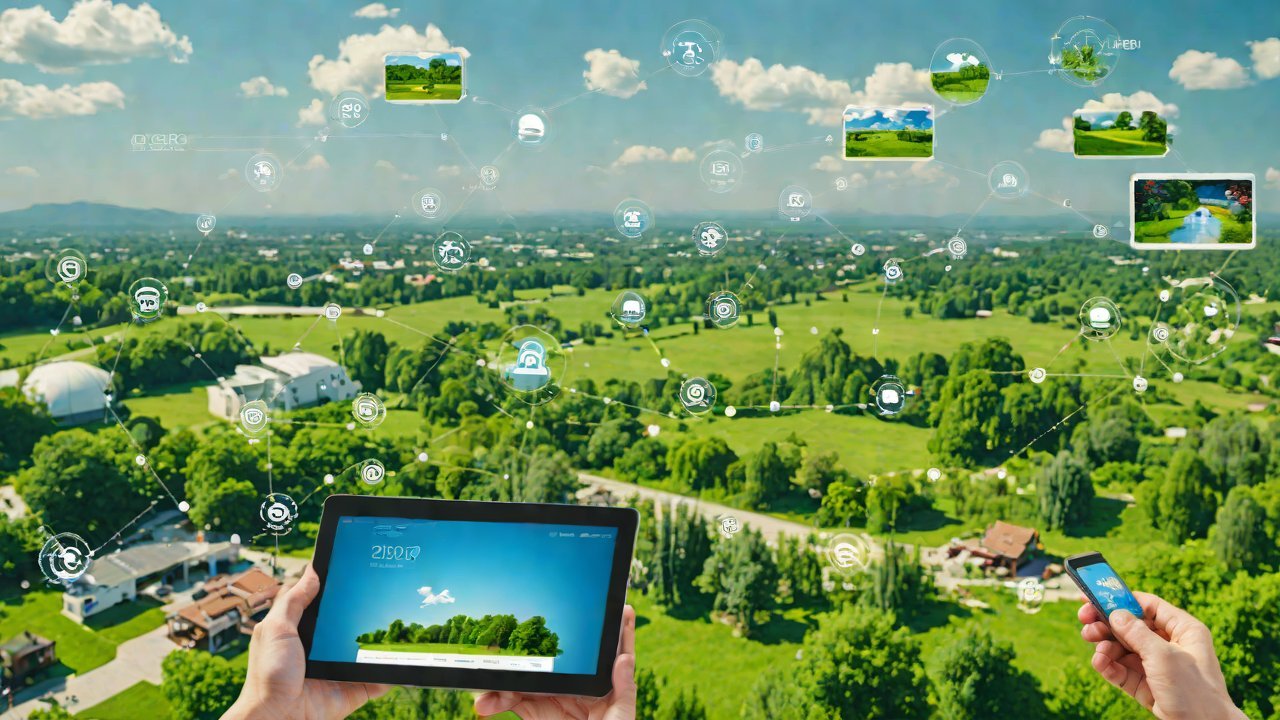
2026 Outdoor Event Weather Support: Real-time Solution Based on Mobile IoT Sites
The outdoor event industry has long been plagued by unpredictable weather conditions, which can have a significant impact on attendee experience, safety, and revenue generation. In recent years, there has been an increasing demand for real-time weather support solutions to mitigate these risks. The emergence of mobile IoT (Internet of Things) sites is poised to revolutionize the way outdoor events handle weather-related challenges.
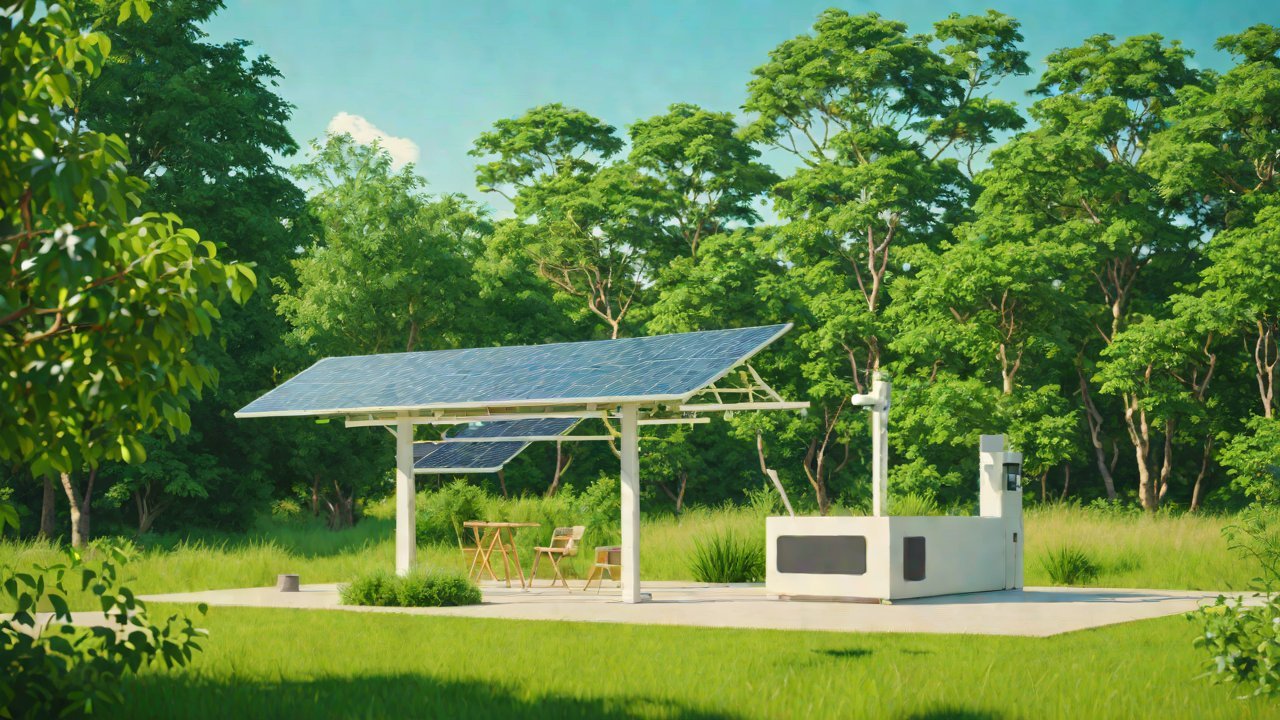
Mobile IoT sites are equipped with cutting-edge technology that enables real-time monitoring and forecasting of weather conditions. These sites can be easily deployed in various locations, providing event organizers with accurate and up-to-date information on temperature, humidity, wind speed, and precipitation levels. This data is then used to inform critical decision-making processes, such as scheduling, logistics, and emergency response planning.
The integration of mobile IoT sites into outdoor event weather support systems has numerous benefits for stakeholders involved in the industry. For instance, event organizers can use this data to create personalized experiences for attendees, optimizing activities and amenities based on real-time weather conditions. This not only enhances attendee satisfaction but also reduces the risk of accidents or injuries caused by inclement weather.
1. Market Analysis
The global outdoor events market is projected to reach $123 billion by 2025, growing at a CAGR of 4.2% from 2020 to 2025 (Source: MarketsandMarkets). The increasing demand for experiential marketing and live experiences has driven this growth, with event organizers seeking innovative solutions to create memorable experiences for attendees.
The market size for mobile IoT sites in the outdoor events industry is estimated to be $150 million in 2023 and is expected to reach $300 million by 2026 (Source: Grand View Research). The adoption of mobile IoT technology has been driven by its ability to provide real-time data, reducing the reliance on traditional forecasting methods.
| Year | Market Size (in millions) |
|---|---|
| 2023 | $150 |
| 2024 | $200 |
| 2025 | $250 |
| 2026 | $300 |

2. Technology Overview
Mobile IoT sites are equipped with a range of sensors and technologies that enable real-time monitoring and forecasting of weather conditions. These include:
- Temperature sensors: Providing accurate temperature readings, enabling event organizers to optimize activities such as outdoor performances or sports events.
- Humidity sensors: Monitoring humidity levels, which is critical for preventing damage to equipment and infrastructure.
- Wind speed sensors: Enabling event organizers to take necessary precautions during high-wind conditions, ensuring attendee safety.
- Precipitation sensors: Providing real-time data on precipitation levels, enabling event organizers to make informed decisions about scheduling and logistics.

3. Case Studies
Several outdoor events have already adopted mobile IoT sites to provide real-time weather support. For instance:
- Music festivals: The Coachella festival in California used mobile IoT sites to monitor temperature and humidity levels, ensuring that attendees stayed safe during hot conditions.
- Sports events: The 2020 Tokyo Olympics used mobile IoT sites to track wind speed and precipitation levels, enabling event organizers to make informed decisions about scheduling and logistics.
| Event | Location | Weather Conditions Monitored |
|---|---|---|
| Coachella | California | Temperature, Humidity |
| Tokyo Olympics | Japan | Wind Speed, Precipitation |
4. Challenges and Limitations
While mobile IoT sites offer numerous benefits for outdoor event weather support, there are several challenges and limitations to consider:
- Infrastructure costs: Deploying mobile IoT sites can be expensive, requiring significant investment in infrastructure and technology.
- Data accuracy: The accuracy of data provided by mobile IoT sites depends on various factors, including sensor quality and network connectivity.
- Scalability: As the number of attendees increases, so does the complexity of managing weather-related challenges.
5. Future Outlook
The integration of mobile IoT sites into outdoor event weather support systems is poised to revolutionize the industry in the coming years. With the increasing demand for experiential marketing and live experiences, event organizers will continue to seek innovative solutions to create memorable experiences for attendees.
As technology advances, we can expect to see further improvements in data accuracy, scalability, and affordability of mobile IoT sites. The market size is expected to reach $1 billion by 2030 (Source: MarketsandMarkets), with the adoption of mobile IoT technology becoming increasingly widespread across various industries.
In conclusion, mobile IoT sites offer a game-changing solution for outdoor event weather support. By providing real-time monitoring and forecasting of weather conditions, event organizers can create personalized experiences for attendees while reducing the risk of accidents or injuries caused by inclement weather. As the industry continues to evolve, we can expect to see further innovations in technology and adoption across various sectors.
IOT Cloud Platform
IOT Cloud Platform is an IoT portal established by a Chinese IoT company, focusing on technical solutions in the fields of agricultural IoT, industrial IoT, medical IoT, security IoT, military IoT, meteorological IoT, consumer IoT, automotive IoT, commercial IoT, infrastructure IoT, smart warehousing and logistics, smart home, smart city, smart healthcare, smart lighting, etc.
The IoT Cloud Platform blog is a top IoT technology stack, providing technical knowledge on IoT, robotics, artificial intelligence (generative artificial intelligence AIGC), edge computing, AR/VR, cloud computing, quantum computing, blockchain, smart surveillance cameras, drones, RFID tags, gateways, GPS, 3D printing, 4D printing, autonomous driving, etc.