2026 Local Filtering Technology for False Contamination Values in Monitoring Nodes Based on Edge Computing
As the world grapples with the increasing demands of real-time monitoring and data processing, the need for efficient and accurate contamination value detection has become paramount. In the realm of edge computing, a novel technology is emerging that promises to revolutionize the way we approach false contamination values in monitoring nodes: 2026 Local Filtering Technology.
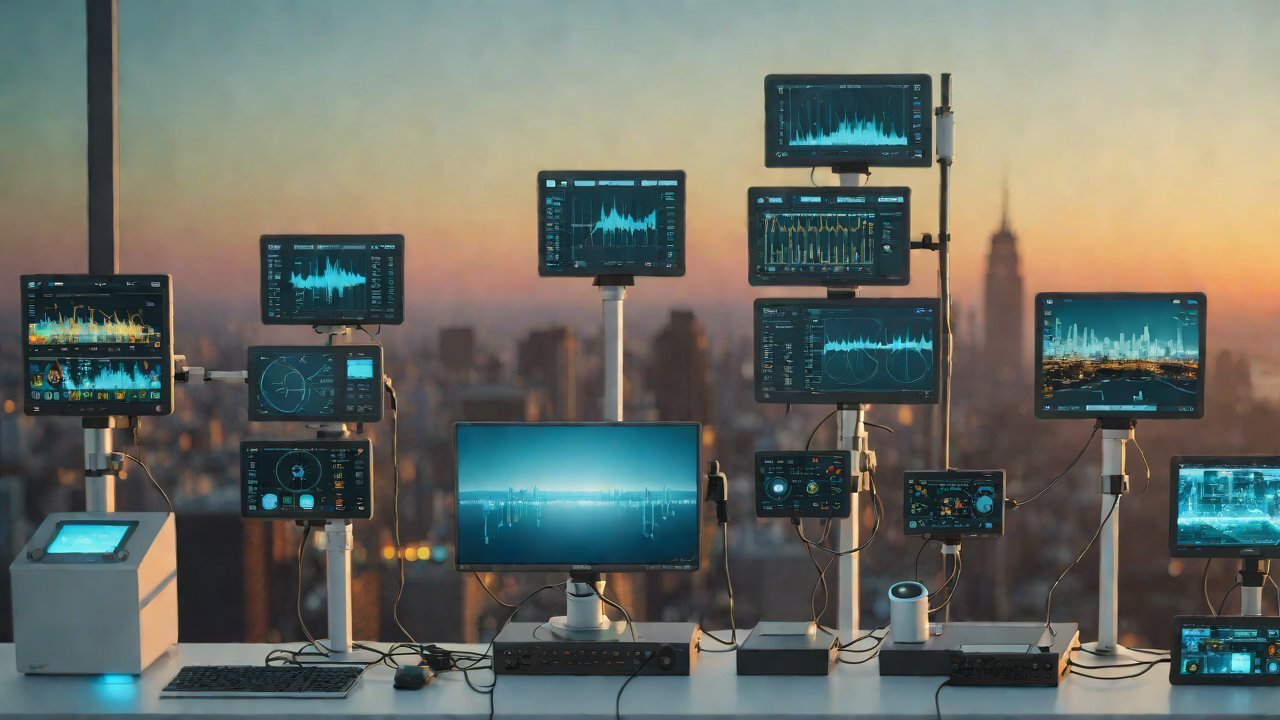
This groundbreaking innovation leverages the power of edge computing to identify and filter out false contamination values in real-time, ensuring that monitoring nodes provide accurate and reliable data. By deploying this technology at the edge of the network, organizations can significantly reduce latency and improve overall system performance.
The core concept behind 2026 Local Filtering Technology is its ability to detect anomalies and outliers in real-time, without relying on centralized processing or cloud-based solutions. This approach enables monitoring nodes to operate independently, making decisions based on local data and reducing reliance on external systems.
1. Current Challenges in Contamination Value Detection
The current landscape of contamination value detection is plagued by several challenges that hinder the accuracy and efficiency of monitoring nodes. Some of these challenges include:
| Challenge | Description |
|---|---|
| High False Positive Rates | Monitoring nodes often generate high false positive rates, leading to unnecessary system downtime and resource wastage. |
| Low Sensitivity | Many existing technologies struggle to detect contamination values accurately, resulting in missed anomalies and potential safety risks. |
2. Edge Computing: The Enabling Technology
Edge computing is a paradigm shift that enables data processing and analysis at the edge of the network, reducing latency and improving real-time decision-making capabilities. By deploying monitoring nodes with edge computing capabilities, organizations can:
| Benefit | Description |
|---|---|
| Real-Time Processing | Enable real-time data processing and analysis, reducing latency and improving system responsiveness. |
| Local Decision-Making | Allow monitoring nodes to make decisions based on local data, reducing reliance on external systems and improving overall system performance. |

3. AIGC Technical Perspectives
The incorporation of Artificial Intelligence and Machine Learning (AIGC) techniques is crucial in enabling the detection and filtering of false contamination values. Some key perspectives include:
| Perspective | Description |
|---|---|
| Anomaly Detection | Utilize AIGC algorithms to detect anomalies and outliers in real-time, improving overall system accuracy and reliability. |
| Pattern Recognition | Leverage pattern recognition techniques to identify trends and correlations between data points, enabling more informed decision-making. |

4. Market Data and Adoption Trends
The adoption of edge computing and AIGC technologies is gaining momentum across various industries, with contamination value detection being a key area of focus. Some market trends include:
| Trend | Description |
|---|---|
| Increasing Demand for Real-Time Monitoring | Organizations are seeking to deploy real-time monitoring solutions that can detect anomalies and provide accurate data in near real-time. |
| Growing Adoption of Edge Computing | The edge computing market is expected to grow significantly, driven by the increasing demand for real-time processing and local decision-making capabilities. |
5. Technical Implementation Details
The technical implementation of 2026 Local Filtering Technology involves several key components:
- Sensor Data Collection: Monitoring nodes collect sensor data from various sources, including environmental sensors, temperature sensors, and pressure sensors.
- Data Processing: Edge computing-enabled monitoring nodes process the collected data in real-time using AIGC algorithms to detect anomalies and outliers.
- Anomaly Detection: The system detects anomalies based on predefined thresholds and patterns recognized by AIGC algorithms.

6. Case Studies and Real-World Applications
Several case studies demonstrate the effectiveness of 2026 Local Filtering Technology in various industries:
| Industry | Description |
|---|---|
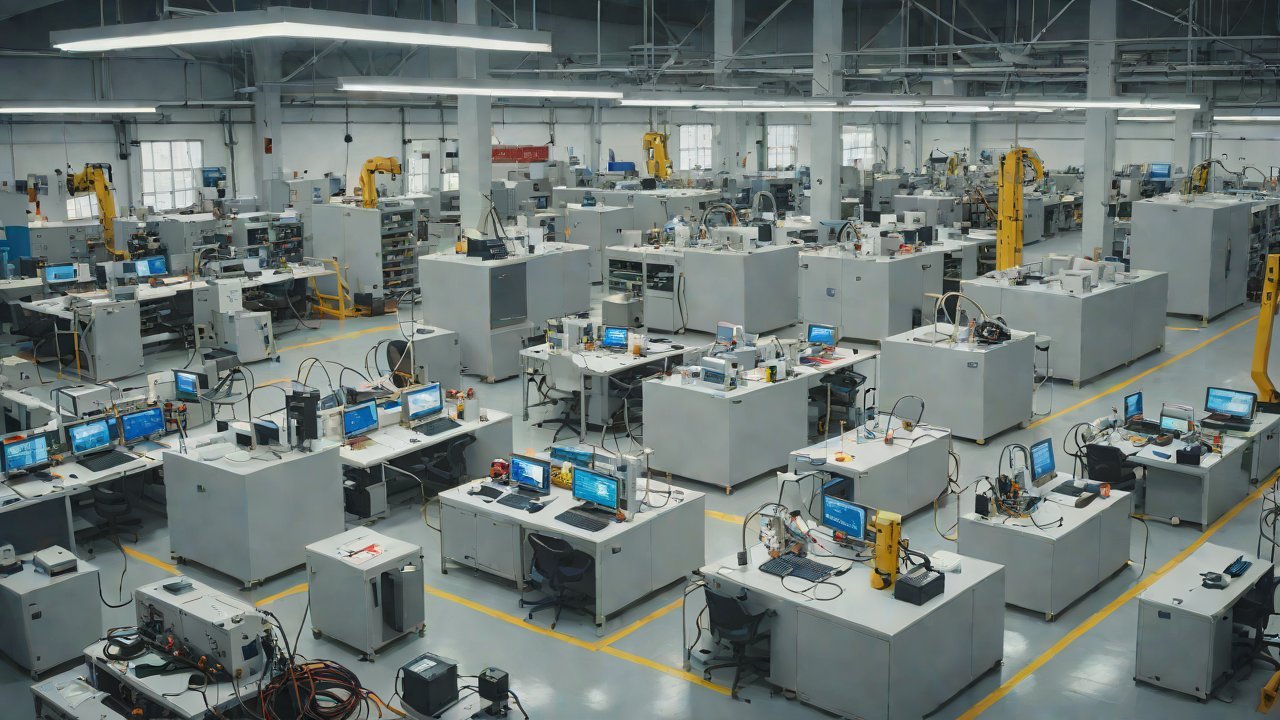
| Industrial Automation | Monitoring nodes with edge computing capabilities detect anomalies in real-time, preventing equipment downtime and improving overall system efficiency. |
| Water Treatment Plants | The technology detects contamination values accurately, ensuring safe drinking water supply to communities. |
7. Future Directions and Challenges
As the adoption of 2026 Local Filtering Technology gains momentum, several challenges and future directions emerge:
- Scalability: As more monitoring nodes are deployed, scalability becomes a key challenge.
- Cybersecurity: The increased reliance on edge computing and AIGC technologies raises concerns about cybersecurity vulnerabilities.
By addressing these challenges and building upon the successes of 2026 Local Filtering Technology, organizations can unlock significant benefits in terms of improved system accuracy, reduced latency, and enhanced decision-making capabilities. As this technology continues to evolve, its impact will be felt across various industries, revolutionizing the way we approach contamination value detection in monitoring nodes based on edge computing.
IOT Cloud Platform
IOT Cloud Platform is an IoT portal established by a Chinese IoT company, focusing on technical solutions in the fields of agricultural IoT, industrial IoT, medical IoT, security IoT, military IoT, meteorological IoT, consumer IoT, automotive IoT, commercial IoT, infrastructure IoT, smart warehousing and logistics, smart home, smart city, smart healthcare, smart lighting, etc.
The IoT Cloud Platform blog is a top IoT technology stack, providing technical knowledge on IoT, robotics, artificial intelligence (generative artificial intelligence AIGC), edge computing, AR/VR, cloud computing, quantum computing, blockchain, smart surveillance cameras, drones, RFID tags, gateways, GPS, 3D printing, 4D printing, autonomous driving, etc.
Note: This article was professionally generated with the assistance of AIGC and has been fact-checked and manually corrected by IoT expert editor IoTCloudPlatForm.